
Weed Tourism In Dharan, Nepal: Cannabis Laws, Regulations, and Travel Guide
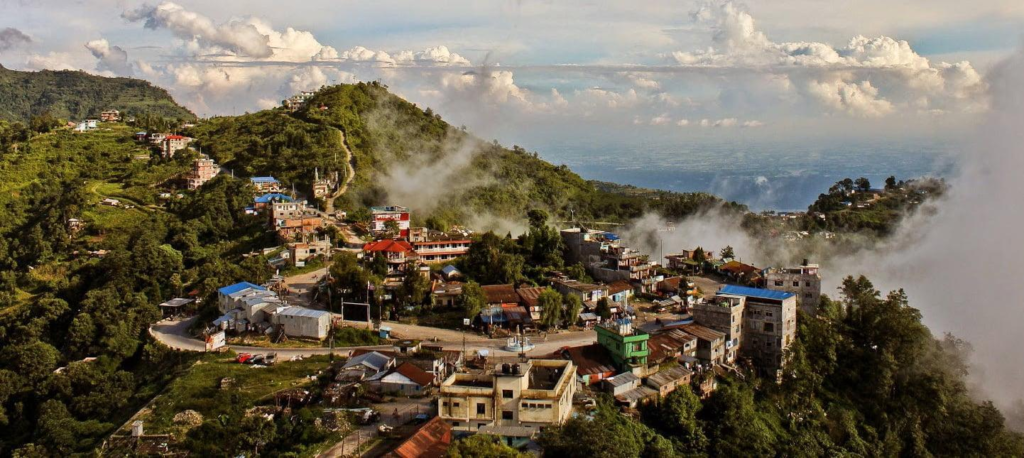
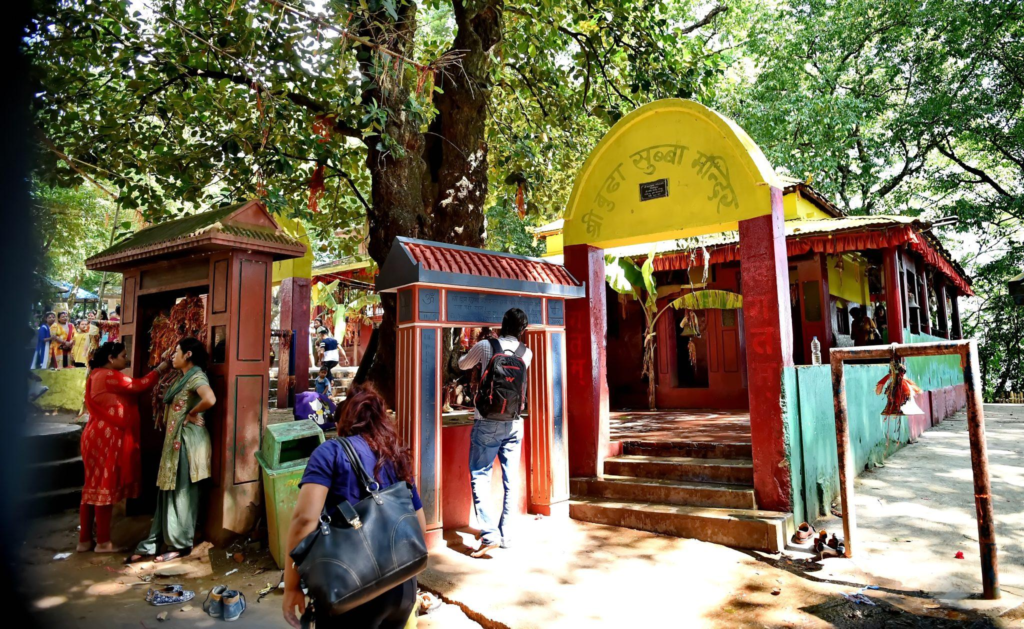
Dharan, located in eastern Nepal at the foothills of the Mahabharat Range, is known for its multicultural heritage, pleasant climate, nearby hiking trails, and religious landmarks such as Budha Subba Temple and Dantakali Temple. If you’re planning a visit and wondering about cannabis, it’s important to understand Nepal’s current legal framework before travelling.
Although Nepal has a long historical association with cannabis, recreational marijuana is currently illegal. There are no licensed recreational cannabis dispensaries or cannabis cafés operating in Dharan or elsewhere in Nepal.
Nepal has a historic relationship with cannabis, but recreational possession, sale, cultivation, and distribution remain illegal under current national law.
Quick Answer: Is Weed Tourism Legal in Dharan?
No. Nepal does not have a legal recreational cannabis tourism industry. Visitors cannot legally purchase cannabis from licensed retailers, and there are no government-authorized recreational dispensaries in Dharan.
While there have been public discussions about possible cannabis law reforms in recent years, recreational cannabis remains illegal at the time of writing.
Quick Facts About Cannabis Laws in Dharan
| Category | Status in Dharan, Nepal |
|---|---|
| Recreational cannabis | Illegal |
| Licensed recreational dispensaries | None |
| Medical cannabis | No comprehensive national medical cannabis programme |
| Public consumption | Illegal |
| Tourist purchases | Not permitted |
| Importing cannabis | Prohibited without legal authorization |
Understanding Cannabis Laws in Nepal
Nepal prohibited cannabis under the Narcotic Drugs (Control) Act of 1976. Recreational possession, cultivation, production, sale, and trafficking remain criminal offences that may result in fines, imprisonment, or other legal penalties depending on the circumstances.
These laws apply equally to Nepali citizens and foreign visitors.
Nepal’s Historical Connection with Cannabis
Before prohibition, Nepal was internationally known for legal cannabis production and traditional religious use. Today, despite this historical association and ongoing public debate about legalization, recreational cannabis remains prohibited under national law.
Medical Cannabis in Nepal
Nepal does not currently operate a comprehensive nationwide medical cannabis programme comparable to those found in some other countries.
Travellers carrying prescription medications should verify Nepal’s import requirements before travelling, especially if their medicines contain controlled substances.
Can Tourists Bring Medical Cannabis?
Foreign medical cannabis prescriptions do not automatically permit entry with cannabis products. Visitors should consult the relevant Nepali authorities before travelling with any cannabis-based medication.
Tourist Reality: Cannabis and Travel in Dharan
Dharan is better known for its natural scenery, vibrant local markets, temples, and access to eastern Nepal’s hills than for cannabis tourism. Visitors often explore Budha Subba Temple, Dantakali Temple, Bhedetar, and nearby hiking routes while experiencing the city’s diverse cultural traditions.
Common Mistakes Made by Visitors
- Assuming Nepal has legalized cannabis because of its historical reputation.
- Attempting to purchase cannabis through illegal markets.
- Bringing cannabis products into Nepal.
- Believing foreign medical cannabis prescriptions automatically apply.
- Relying on outdated travel information.
Buying Weed in Dharan
There are no licensed recreational cannabis dispensaries or legal retail outlets selling marijuana in Dharan.
Attempting to obtain cannabis through illegal sources may expose travellers to criminal penalties, scams, and products of unknown quality or composition.
Public Consumption Rules
Public cannabis use is prohibited under Nepali law. Visitors should respect local laws in parks, hotels, restaurants, transport hubs, religious sites, and all public spaces.
Driving and Cannabis
Driving while impaired by cannabis is dangerous and unlawful. Visitors should never operate a vehicle after consuming any intoxicating substance.
Cross-Border Cannabis Rules
Travellers should never transport cannabis across Nepal’s international borders unless specifically authorized under applicable law. Cannabis that may be legal elsewhere can still result in criminal liability in Nepal.
Common Misconceptions
- “Cannabis is legal because Nepal was famous for it.” Recreational cannabis remains illegal.
- “There are legal cannabis cafés.” There are no licensed recreational cannabis cafés or dispensaries.
- “Tourists receive special treatment.” Visitors must comply with the same laws as residents.
- “Medical cannabis is widely available.” Nepal does not operate a comprehensive national medical cannabis programme.
Traveller Tips
- Research Nepal’s current cannabis laws before travelling.
- Do not attempt to purchase cannabis from illegal sources.
- Verify import requirements for prescription medications.
- Respect local customs and religious sites.
- Consult official government sources for the latest legal updates.
Frequently Asked Questions
Is cannabis legal in Dharan?
No. Recreational cannabis is illegal throughout Nepal.
Can tourists legally buy cannabis in Dharan?
No. There are no licensed recreational cannabis retailers.
Does Nepal have medical cannabis?
Nepal does not currently operate a comprehensive nationwide medical cannabis programme.
Can visitors smoke cannabis in public?
No. Public cannabis use is prohibited.
Can I bring prescribed cannabis medication into Nepal?
Travellers should verify Nepal’s import regulations before departure, as cannabis-based medicines may be prohibited or subject to specific controls.
Conclusion
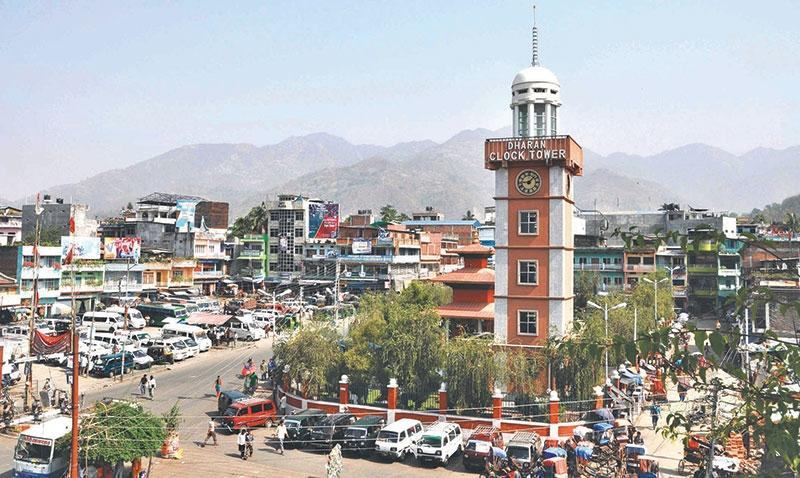
Dharan is an attractive destination for travellers seeking culture, temples, scenic landscapes, and access to eastern Nepal’s hills. However, it is not a legal cannabis tourism destination. Recreational cannabis remains illegal, and there are no licensed dispensaries or recreational coffee shops.
Visitors can enjoy Dharan’s welcoming atmosphere, religious landmarks, local cuisine, and nearby natural attractions while respecting Nepal’s laws and cultural traditions.
Sources & References
- Government of Nepal.
- Narcotic Drugs (Control) Act, 1976.
- United Nations Office on Drugs and Crime (UNODC).
- International Narcotics Control Board (INCB).
- World Health Organization (WHO).
Bruh the pack was heat fr. Been searching for a plug that don't play and I think I finally found one. Gonna order again this weekend for sure.
Ordered an eighth of the Sour Diesel and it came through cured just right. Not too dry, not too wet, burned clean in the paper. Been looking for a spot like this for a minute.
my guy answered every text within like 5 mins. that alone got me trusting the process. flower was fire too
Carts hit smooth, no burnt taste, no leaks. Prices was decent too. Can't ask for much more than that.
I'll be honest, I wasn't sure at first because I've been burned before by online spots. But everything they said would happen, happened. Tracking worked, package showed up sealed, and the flower actually matched the description for once. Trust earned.
Been waiting on a spot like this to pop up. Ordered a zip and it was heavy, no shake at the bottom. Real deal.
I've been ordering from them for a few months now. Never had an issue with the quality or the wait time. That kinda consistency is rare online.
Ordered a quarter of the Zaza and it was heavier than expected, felt like they threw a lil extra in there. Smoke is smooth, doesn't hit the chest hard.
Aight so I was hesitant bout the whole crypto thing cuz I ain't never used it before but they got a guide on the site that made it simple. Pack came through discreet, sealed, and the strain was exactly what I ordered no switch ups. Locked in fr
Bought a pack of disposables for a lil road trip. Lasted longer than I thought and flavor stayed clean the whole time. Worth every dollar.
I've been a customer for close to a year now and the consistency is what keeps me coming back. Not every batch is a home run but the majority have been quality, and when something was off one time they actually made it right without any hassle. That kind of accountability is rare.
Ordered a zip of the Purple Punch and it came correct. Trichomes everywhere, cured right, burned clean in the paper. Been buying online for years and this one earned a spot in the rotation.
Grabbed some edibles for a lil trip with my girl. They were dosed right, tasted good, didn't feel sketchy. Would order those again.