
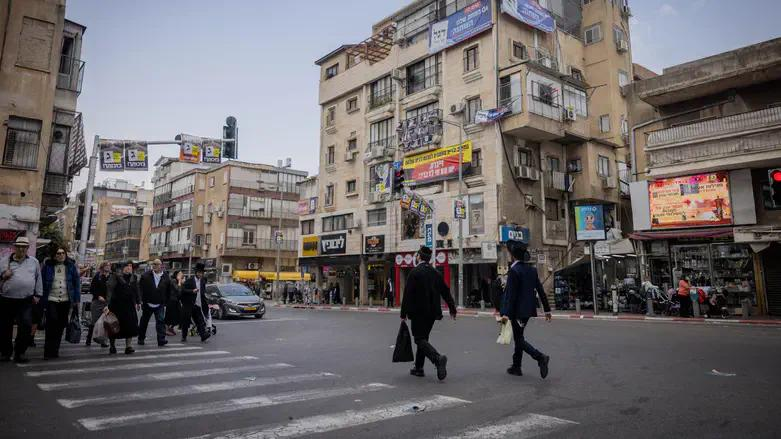
Weed Tourism In Bnei Brak: What Visitors Should Know
Weed Tourism In Bnei Brak is a topic that often raises questions among travelers visiting Israel. Bnei Brak is unlike most Israeli cities because it is predominantly an ultra-Orthodox (Haredi) community with deeply conservative social values. While Israel has developed medical cannabis policies and continues to debate broader cannabis reforms, visitors should understand that Bnei Brak is not a cannabis tourism destination. Travelers should respect local customs, understand the applicable laws, and avoid behavior that may conflict with community expectations.
Bnei Brak offers a unique cultural experience centered on religious life and tradition rather than cannabis-related tourism. Understanding both the legal framework and local customs helps visitors enjoy a respectful and trouble-free stay.
Introduction
Bnei Brak is located just east of Tel Aviv and is one of Israel’s most densely populated cities. It is internationally known for its religious schools, synagogues, and vibrant Haredi community. Consequently, visitors experience an atmosphere that differs significantly from neighboring metropolitan areas.
Although Israel has attracted international attention for medical cannabis research, cannabis remains subject to national laws and regulations. Therefore, travelers should separate Israel’s broader cannabis policies from the cultural realities of individual cities such as Bnei Brak.
Quick Facts
| Category | Information |
|---|---|
| Location | Bnei Brak, Israel |
| Tourism Focus | Religious heritage and cultural experiences |
| Recreational Cannabis | Not legally available through licensed recreational sales |
| Medical Cannabis | Available only through Israel’s regulated medical program |
| Public Consumption | Not permitted |
| Recommended Visitor Approach | Respect local customs and comply with Israeli law |
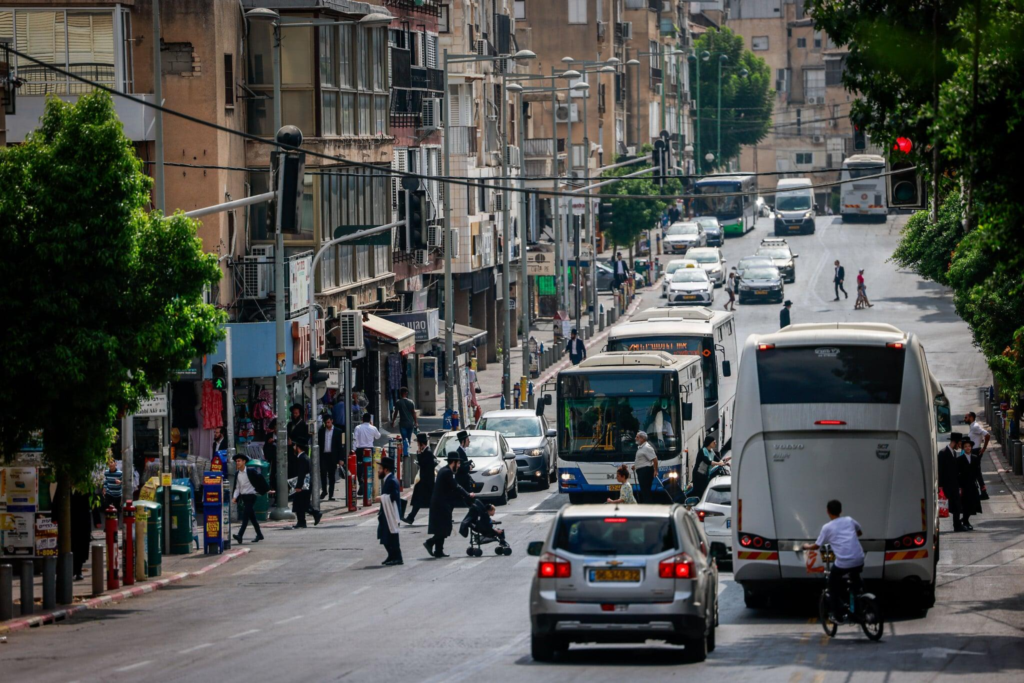
Understanding Weed Tourism In Bnei Brak
The phrase Weed Tourism In Bnei Brak can be misleading. Unlike destinations that market cannabis-related attractions, Bnei Brak focuses almost entirely on religious education, faith-based tourism, kosher dining, and traditional Jewish culture.
As a result, visitors should not expect cannabis-friendly venues, licensed recreational cannabis stores, or nightlife centered around cannabis culture.
Why Bnei Brak Is Different
The city’s daily life revolves around Torah study, family life, and religious observance. Shops often close before the Sabbath, modest dress is encouraged in many neighborhoods, and visitors are expected to behave respectfully.
Consequently, activities that might appear acceptable elsewhere could be viewed as inappropriate within this community.
Israeli Cannabis Laws
Israel operates a regulated medical cannabis program for qualifying patients. However, recreational cannabis has not been legalized in the same way as in some other countries.
Authorities continue to review cannabis policy, and legislation may evolve. Therefore, travelers should consult official Israeli government information before visiting.
Medical Cannabis
Israel has long supported medical cannabis research. Nevertheless, medical access remains limited to eligible patients who meet national regulatory requirements.
Recreational Use
Israel has modified certain enforcement approaches over time, but recreational cannabis remains subject to legal restrictions. Visitors should avoid assuming that enforcement practices are identical throughout the country.
Tourist Guidance
Visitors arriving in Bnei Brak should focus on experiencing the city’s cultural and religious heritage.
- Respect local dress expectations.
- Avoid public discussions about drugs.
- Follow local photography etiquette around religious communities.
- Observe Sabbath customs where appropriate.
- Comply with all Israeli laws during your visit.
Public Consumption and Driving
Public cannabis consumption is not appropriate in Bnei Brak. Likewise, driving while impaired by cannabis or any intoxicating substance is illegal and poses significant safety risks.
Visitors should also remember that transportation providers, hotels, and private property owners may establish additional rules regarding cannabis.
Cultural Expectations
Respect for Religious Traditions
Bnei Brak is one of the most observant Jewish cities in the world. Therefore, respectful behavior contributes to positive interactions with residents.
Many businesses operate according to religious schedules, particularly during the Sabbath and Jewish holidays.
Community Atmosphere
Unlike entertainment-focused cities, Bnei Brak offers a quieter environment centered on family and religious life. Consequently, travelers seeking nightlife typically visit nearby Tel Aviv rather than Bnei Brak.
Frequently Asked Questions
Is Weed Tourism In Bnei Brak common?
No. Bnei Brak is known for religious and cultural tourism rather than cannabis tourism.
Can tourists legally buy recreational cannabis in Bnei Brak?
Israel does not operate a licensed recreational cannabis retail system comparable to jurisdictions where recreational cannabis is fully legal.
Is medical cannabis available?
Yes. Israel maintains a regulated medical cannabis program for qualifying patients under national regulations.
Should visitors consume cannabis in public?
No. Public consumption is inappropriate and may lead to legal consequences or conflict with local community expectations.
Why is Bnei Brak different from Tel Aviv?
Bnei Brak emphasizes religious life and conservative social values, whereas Tel Aviv has a more secular and cosmopolitan atmosphere.
Conclusion
Weed Tourism In Bnei Brak should be understood as a legal and cultural information topic rather than a recreational travel experience. Although Israel continues to develop its cannabis policies, Bnei Brak remains a city defined by religious tradition, community values, and cultural heritage. Visitors who respect local customs, follow Israeli law, and approach the destination with cultural awareness are more likely to enjoy a meaningful and respectful visit.
References
- Government of Israel
- Israeli Ministry of Health
- United Nations Office on Drugs and Crime
- World Health Organization
- European Union Drugs Agency (EUDA)
I wasn't sure at first because I'd been burnt by other sites before. But this ran different. Landed when they said and the quality was actually there.
Ordered a couple edibles cause I don't smoke much anymore. They were dosed right and worked exactly how I needed them to. Simple and easy.
ordered around midnight didn't think nothing would move till morning. woke up to it already shipped. crazy
yo they don't play about their turnaround time. paid with crypto around noon and had a tracking number before dinner. wild
I had a few concerns before placing the order and their team answered every question without rushing me. That kind of patience means a lot when you're new to this. The pack arrived on time and matched what I paid for.
Straight up one of the smoother experiences I had ordering online. Support texted me back within minutes each time. Buds looked exactly like the pics.
Solid experience overall. Prices was fair, delivery didn't drag, and the buds smelled loud when I cracked it open. Nothing crazy but nothing bad either.
lowkey the best experience i had in a while. no weird back and forth, no waiting days for a reply. just business
Pack came thru quick, no complaints.
bro the pack was heavy heavy. weighed it out and it was actually a lil over. good looks on that
Flower was decent. Not the loudest I ever had but definitely worth what I paid. Communication was quick which I liked.
bro the edibles knocked me OUT. took two thinking I was tough and woke up 12 hours later lmao. worth every dollar tho