
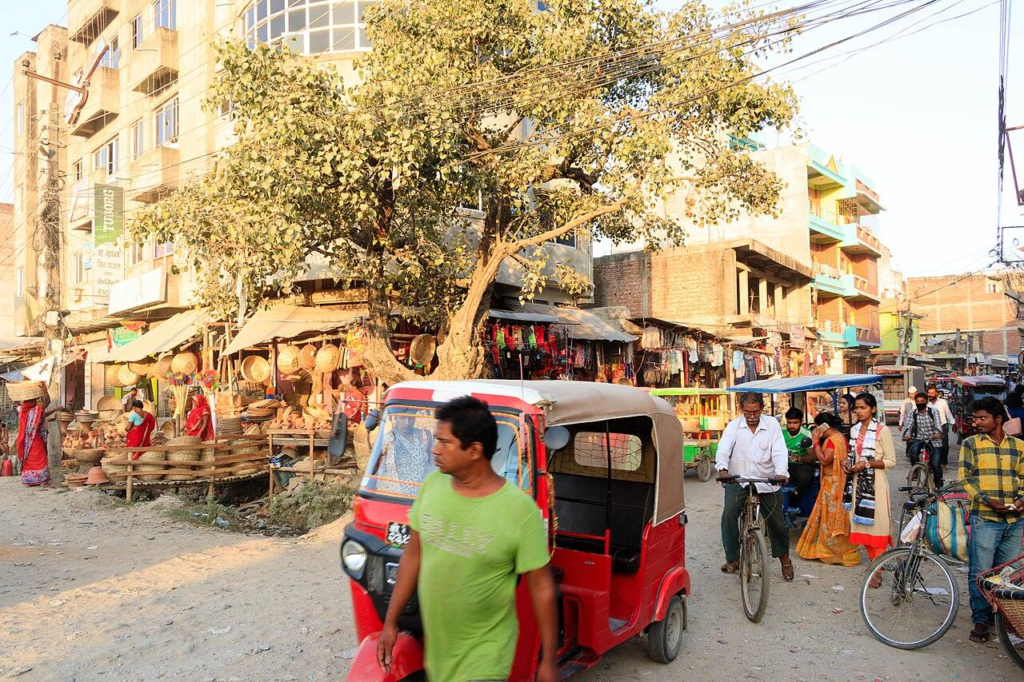
Weed Tourism In Biratnagar
Weed Tourism In Biratnagar is a topic that some travelers research before visiting eastern Nepal. The most important fact to understand is that recreational cannabis remains illegal under Nepal’s current laws. Although Nepal has a well-known historical connection with cannabis, particularly before legal reforms in the 1970s, modern legislation prohibits recreational cannabis activities. This guide explains the current legal framework, travel considerations, and practical information for visitors to Biratnagar.
Understanding Nepal’s cannabis laws before traveling helps visitors enjoy their trip responsibly while respecting local regulations and avoiding legal complications.
Introduction
Biratnagar is Nepal’s second-largest metropolitan city and an important commercial, industrial, and educational center near the Indian border. While it is primarily known for its manufacturing sector, temples, markets, and cultural diversity, the city also serves as a gateway to eastern Nepal.
Despite Nepal’s historical association with cannabis, the country currently prohibits recreational cannabis. Consequently, visitors should understand the legal framework before arriving in Biratnagar.
Quick Facts
| Category | Status |
|---|---|
| Country | Nepal |
| City | Biratnagar |
| Recreational Cannabis | Illegal ✗ |
| Medical Cannabis | No comprehensive national medical cannabis program |
| Tourist Purchase | Not legally available ✗ |
| Licensed Recreational Dispensaries | None ✗ |
| Public Consumption | Illegal ✗ |
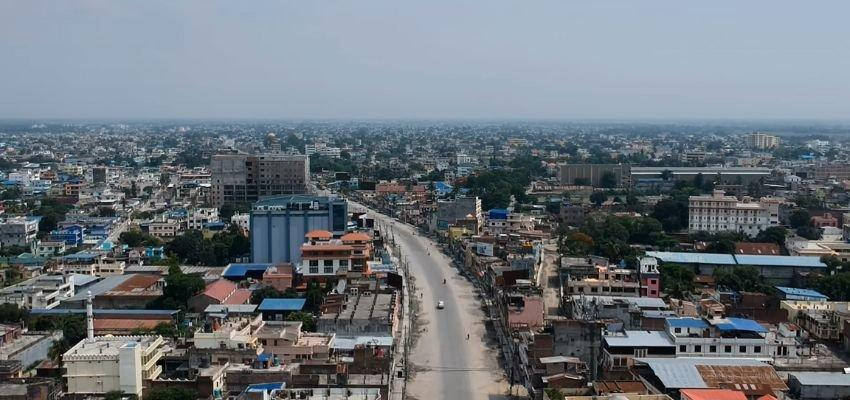
Weed Tourism In Biratnagar: Understanding Nepal’s Laws
The phrase Weed Tourism In Biratnagar is best understood as a request for legal and travel information rather than guidance on obtaining cannabis. Nepal does not operate a legal recreational cannabis market, and Biratnagar does not have licensed cannabis dispensaries or cannabis cafés.
Nepal’s Narcotic Drugs (Control) Act prohibits unauthorized cultivation, possession, production, transportation, and distribution of cannabis. Depending on the circumstances, violations may lead to criminal penalties. Since laws and regulations may change over time, travelers should consult official Nepalese government sources before visiting.
Nepal’s Historical Relationship with Cannabis
Nepal was internationally known for legal cannabis sales before the early 1970s. Following legal reforms, recreational cannabis became prohibited. Although public discussions occasionally arise regarding possible future reforms, recreational cannabis remains illegal under current law.
Medical Cannabis
Nepal does not currently operate a broad national medical cannabis program comparable to those found in several other countries. Therefore, foreign medical cannabis prescriptions do not automatically authorize possession while visiting Nepal.
Your First 24 Hours in Biratnagar
Most visitors arrive through Biratnagar Airport or by road from India before exploring the city’s temples, markets, local restaurants, and cultural landmarks.
Biratnagar is better known for business, education, and regional commerce than for tourism. Nevertheless, it offers visitors authentic Nepalese culture and easy access to destinations across eastern Nepal.
Tourist Reality Check
- Biratnagar does not have licensed recreational cannabis dispensaries.
- Nepal has not legalized recreational cannabis.
- Historical cannabis traditions do not change current laws.
- Foreign visitors remain subject to Nepalese law.
- Official government guidance provides the most reliable legal information.
Culture and Local Expectations
Biratnagar reflects Nepal’s multicultural heritage through its festivals, religious sites, cuisine, and welcoming communities. Visitors often explore local markets, temples, parks, and nearby natural attractions while experiencing traditional Nepalese hospitality.
Respecting local customs and complying with Nepalese law contribute to a safe and enjoyable travel experience. Furthermore, understanding the difference between Nepal’s historical cannabis reputation and its current legal framework helps prevent common misunderstandings.
Biratnagar offers authentic cultural experiences, regional cuisine, and warm hospitality that make it an interesting destination in eastern Nepal.
Health and Safety Considerations
Unregulated Products
Products obtained outside regulated legal systems may contain contaminants, synthetic cannabinoids, or inaccurate labeling. Consequently, they may present both health and legal risks.
Medical Assistance
If you require healthcare during your visit, seek treatment from licensed healthcare professionals. Comprehensive travel insurance is recommended for international travelers.
Online Safety
Travelers should avoid anonymous social media accounts or messaging applications advertising cannabis. Such contacts may involve scams, counterfeit products, or criminal activity.
Common Tourist Mistakes
- Assuming Nepal’s historical cannabis culture means cannabis is legal today.
- Trusting anonymous online sellers.
- Transporting cannabis across international borders.
- Ignoring official government travel guidance.
- Confusing historical traditions with current legislation.
- Believing tourist areas have different legal standards.
Why Biratnagar Is Different
Unlike Kathmandu or Pokhara, Biratnagar is primarily an economic and industrial center. Visitors often come for business, education, or to explore eastern Nepal rather than traditional tourist attractions.
The city’s multicultural environment, regional cuisine, and strategic location near the Indian border provide a different perspective on Nepal beyond the country’s mountain tourism. Travelers can also use Biratnagar as a starting point for exploring nearby wildlife reserves and religious sites.
Understanding Nepal’s legal framework allows visitors to appreciate Biratnagar’s culture and hospitality while respecting national laws.
Frequently Asked Questions
Is recreational cannabis legal in Biratnagar?
No. Recreational cannabis remains illegal throughout Nepal.
Can tourists legally buy cannabis in Biratnagar?
No. There are no licensed recreational cannabis dispensaries.
Does Nepal have a medical cannabis program?
Nepal does not currently operate a comprehensive national medical cannabis program.
Can I bring medical cannabis into Nepal?
Visitors should consult Nepalese authorities before traveling because foreign prescriptions do not automatically authorize importation or possession.
Why is Nepal associated with cannabis?
Nepal historically permitted cannabis sales until legal reforms in the early 1970s. Current laws are substantially different.
Can cannabis laws change?
Yes. Public discussions about reform occasionally occur, so travelers should consult official government information for the latest legal updates.
Is Biratnagar a cannabis tourism destination?
No. The city is known for commerce, education, and regional culture rather than cannabis tourism.
Who should read this guide?
This guide is intended for tourists, business travelers, students, expatriates, and anyone seeking reliable information about Weed Tourism In Biratnagar.
Conclusion
Weed Tourism In Biratnagar is best approached from a legal and informational perspective. Although Nepal has a unique historical relationship with cannabis, recreational cannabis remains illegal under current law, and Biratnagar does not have a legal recreational cannabis market. Visitors who understand the legal framework, respect local regulations, and focus on the city’s cultural heritage and hospitality can enjoy a safe and rewarding visit.
References
- Ministry of Health and Population, Nepal
- Nepal Police
- United Nations Office on Drugs and Crime (UNODC)
- World Health Organization (WHO)
- European Union Drugs Agency (EUDA)
Ordered an eighth of the GMO and it did not disappoint. Smell was pungent, cure was on point, and it lasted me longer than I thought it would.
Communication was on point from the jump. They kept me updated the whole way. That builds trust for real.
Ordered late at night not expecting much. Woke up to a tracking update already. Disposables were legit and hit clean.
Traveled from Chicago to see family and my usual guy wasn't around. Took a chance on these dudes based on some reviews. No regrets, buds were fresh and delivery was quick.
real talk I was on the fence about using crypto for the first time, felt sketchy to me. but the dude walking me through it was patient and didn't rush nothing. order landed two days later exactly like he said. lowkey earned my trust with that one
third order in and im satisfied. same quality every time. thats what matters
Ngl I almost didn't order cause the site was new to me. Ended up trusting my gut and it paid off. Everything showed up sealed and discreet.
pack was straight. delivery on point. no complaints
Third order in and they still locked in. I don't leave reviews often but these guys earned it. Communication been solid every single time.
I had a small issue with my first order, one of the disposables wasn't hitting right. Reached out expecting the usual runaround but they replaced it within a couple days no questions asked. That kinda thing goes a long way with me.
Only my second time buying online period. Everything was easier than I expected honestly. The pack showed up sealed and fresh.
Been a repeat customer for a minute now. They stay consistent, and that’s what keeps me around. Fast delivery and real communication every time.
I had a lot of doubts going in cause I've been ripped off before online. These folks eased that pretty quick with how they communicated. My order arrived and everything matched what I paid for.
Second time ordering from them. Same quality, same speed, no drama. That consistency is what keeps me coming back honestly.