
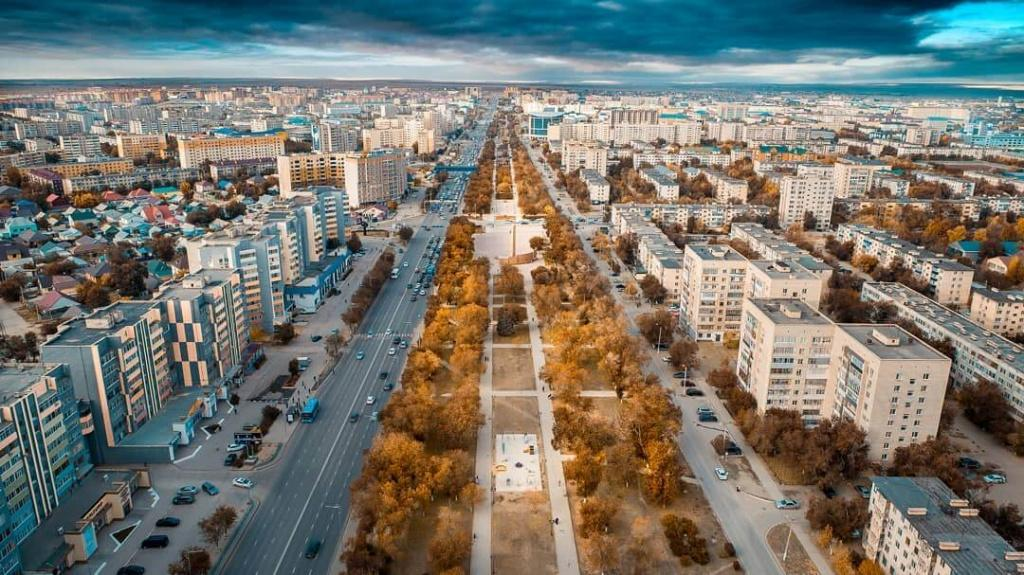
If you’re searching for information about getting weed in Aktobe, it’s important to understand Kazakhstan’s cannabis laws before travelling. Recreational cannabis remains illegal, and unauthorized possession, purchase, cultivation, or distribution may result in criminal penalties.
Getting Weed In Aktobe: Cannabis Laws and Legal Guide
Overview of Cannabis Laws in Aktobe
Aktobe is one of Kazakhstan’s largest cities and serves as an important industrial and transportation hub in the western part of the country. Although Kazakhstan has naturally occurring wild cannabis in some regions, this does not make recreational cannabis legal. Therefore, residents and visitors should understand the country’s drug laws before visiting Aktobe.
Kazakhstan continues to regulate cannabis under its national narcotics legislation. Consequently, recreational cannabis remains prohibited, and authorities actively enforce laws relating to possession, cultivation, production, and trafficking.
Quick Facts About Cannabis in Aktobe
| Category | Legal Status |
|---|---|
| Recreational Cannabis | Illegal |
| Buying Cannabis | Illegal |
| Selling Cannabis | Illegal |
| Personal Possession | Illegal |
| Home Cultivation | Illegal |
| Medical Cannabis | No broadly available national program |
| Driving Under the Influence | Illegal |
Is Cannabis Legal in Aktobe?
No. Recreational cannabis is illegal throughout Kazakhstan, including Aktobe.
National law prohibits the unauthorized possession, purchase, cultivation, transportation, production, and sale of cannabis. As a result, anyone who violates these laws may face criminal investigations and significant legal consequences.
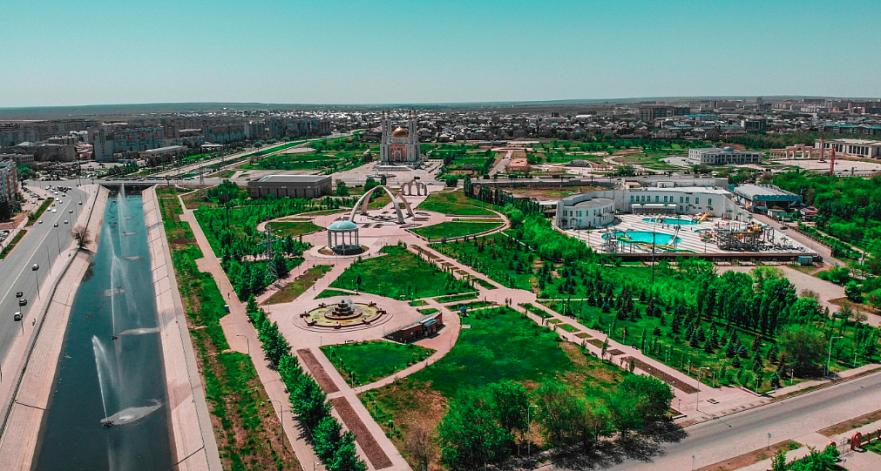
Can You Legally Buy Cannabis?
No. Kazakhstan does not operate a legal recreational cannabis market.
Furthermore, there are no licensed cannabis dispensaries, cannabis cafés, or retail stores where recreational cannabis can be legally purchased. Therefore, anyone searching for getting weed in Aktobe should understand that no lawful recreational sales exist.
Medical Cannabis
Kazakhstan does not currently operate a broadly accessible national medical cannabis program similar to those available in several other countries.
However, travelers who rely on prescription medicines should consult their healthcare provider before departure. In addition, they should verify Kazakhstan’s entry requirements for any controlled medications they intend to carry.
Wild Cannabis in Kazakhstan
Kazakhstan is internationally known for areas where wild cannabis grows naturally, particularly in the Chu Valley. However, this fact does not change the legal status of recreational cannabis.
Moreover, collecting, possessing, or cultivating cannabis without legal authorization remains prohibited under Kazakh law. Consequently, visitors should not confuse naturally occurring cannabis with legal permission to use or possess it.
Public Possession and Consumption
Public possession and recreational cannabis consumption remain illegal throughout Aktobe.
Additionally, authorities continue to enforce national drug laws across the country. Therefore, visitors should avoid relying on rumors or unofficial online information regarding cannabis availability.
Driving Under the Influence
Driving while impaired by cannabis is illegal and creates significant road safety risks.
Furthermore, motorists who drive under the influence may face additional legal penalties. Therefore, drivers should never operate a vehicle after consuming cannabis or any other impairing substance.
Advice for Visitors
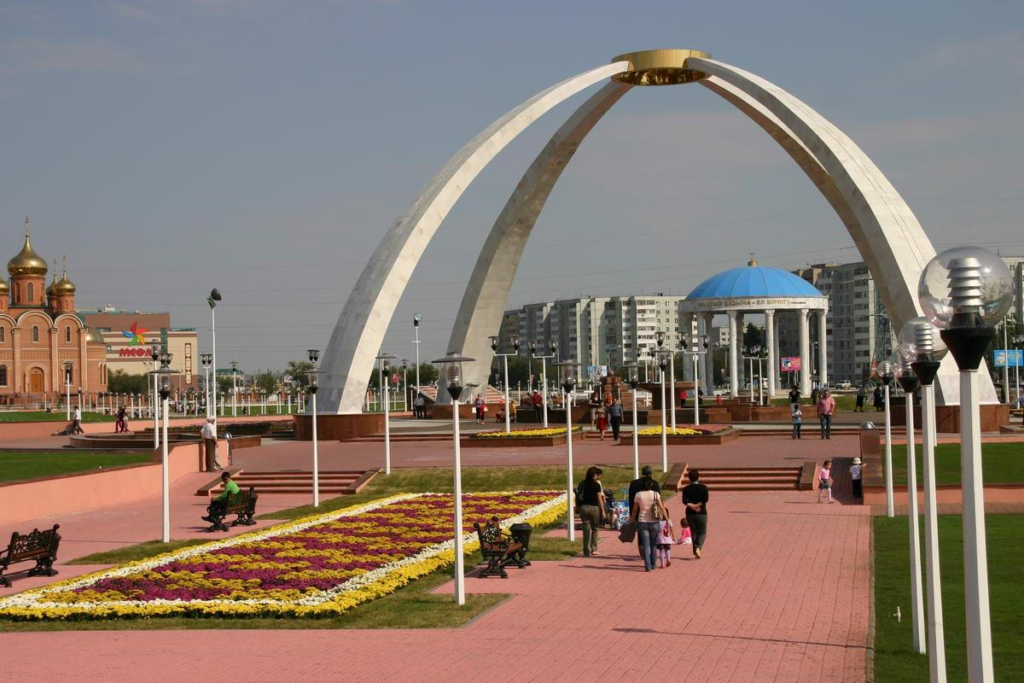
Aktobe offers attractions such as Nurgasyr Regional Central Mosque, Abul Khair Khan Memorial, and several museums celebrating Kazakhstan’s history and culture. Nevertheless, tourists should remember that local attractions do not change the country’s cannabis laws.
- Respect Kazakhstan’s cannabis laws throughout your visit.
- Do not attempt to purchase cannabis from unauthorized sellers.
- Avoid carrying cannabis while travelling within Kazakhstan.
- Never transport cannabis across international borders.
- Verify prescription medication requirements before travelling.
- Consult official government travel advice before your trip.
- Never drive after consuming cannabis or any impairing substance.
Potential Legal Consequences
Cannabis-related offences may result in criminal investigations, fines, imprisonment, or other legal consequences under Kazakhstan’s laws.
However, every case is evaluated individually. Authorities consider factors such as the quantity involved, the nature of the alleged offence, and applicable legislation. Therefore, individuals should rely on official government sources for the latest legal information.
Health and Safety Considerations
Cannabis obtained through illegal markets is not subject to regulated quality testing. As a result, products may contain contaminants, synthetic substances, or inaccurate THC concentrations.
Additionally, avoiding illegal drug markets reduces both legal risks and potential health concerns. Staying informed and following Kazakhstan’s laws remains the safest approach.
Frequently Asked Questions
Is recreational cannabis legal in Aktobe?
No. Recreational cannabis remains illegal throughout Kazakhstan.
Can tourists legally buy cannabis in Aktobe?
No. Visitors must comply with the same cannabis laws that apply to Kazakh residents.
Are there legal cannabis dispensaries in Aktobe?
No. Kazakhstan does not operate a legal recreational cannabis retail market.
Is medical cannabis available?
Kazakhstan does not currently have a broadly available national medical cannabis program.
Does wild cannabis make cannabis legal in Kazakhstan?
No. Naturally growing cannabis does not change Kazakhstan’s laws. Unauthorized possession, cultivation, and use remain illegal.
Conclusion
If you are researching Getting Weed In Aktobe, it is important to understand that Kazakhstan prohibits recreational cannabis. Although wild cannabis grows naturally in some parts of the country, there is no legal recreational retail market, and unauthorized possession or distribution carries significant legal risks. Therefore, residents and visitors should respect local laws, consult official government guidance, and stay informed about any future legal developments.
References
- Government of Kazakhstan
- Ministry of Healthcare of Kazakhstan
- United Nations Office on Drugs and Crime (UNODC)
- European Union Drugs Agency (EUDA)
- World Health Organization (WHO)
I’ve tried a few different spots before this. These buds were definitely better than what I was getting. Customer support answered my questions without attitude.
The stash I grabbed was fresh and trimmed nice. No extra leaves or nonsense. Straight quality.
my guy hooked it up fr. ordered late at night thinking imma hear back tomorrow but nah they replied within the hour
Bro I didn’t expect it to land that quick fr. The pack was loud as soon as I cracked it open. Good looks for keeping everything smooth and easy.
Not gonna lie, I was skeptical at first. But the carts were on point and tasted clean. Delivery moved quicker than expected too.
ngl the pack came a day late but they gave me a discount code for the trouble which was decent of them. flower was still fresh when it landed so no real complaints. communication was the main thing that stood out honestly, they didn't ghost me like some other spots do
Ordered a zip of the OG and it came through exactly like they described. Nose on it is loud, cure was on point, and honestly the price beat what I been paying locally.
Been rocking with them for maybe 5 or 6 orders now and the consistency is what keep me coming back. Some spots be hot and cold but their flower stay in that top shelf range. Only thing I'd say is sometimes stock runs low on the strains I want but that's minor.
Wasn't sure at first cause the site looked new to me. But everything checked out. Pack was sealed proper and quality was there.
my guy answered every text within like 5 mins. that alone got me trusting the process. flower was fire too
Bruh the pack was heat fr. Been searching for a plug that don't play and I think I finally found one. Gonna order again this weekend for sure.
Been waiting on a spot like this to pop up. Ordered a zip and it was heavy, no shake at the bottom. Real deal.
Been ordering off and on for about six months. They never switched up on quality or timing. That's why I keep coming back.
Carts hit smooth, no burnt taste, no leaks. Prices was decent too. Can't ask for much more than that.
Ordered a quarter of the Zaza and it was heavier than expected, felt like they threw a lil extra in there. Smoke is smooth, doesn't hit the chest hard.
I've been ordering from them for a few months now. Never had an issue with the quality or the wait time. That kinda consistency is rare online.
second order and they still came thru with no issues. stash was fresh and packaged discreet. appreciate that
Aight so I was hesitant bout the whole crypto thing cuz I ain't never used it before but they got a guide on the site that made it simple. Pack came through discreet, sealed, and the strain was exactly what I ordered no switch ups. Locked in fr