
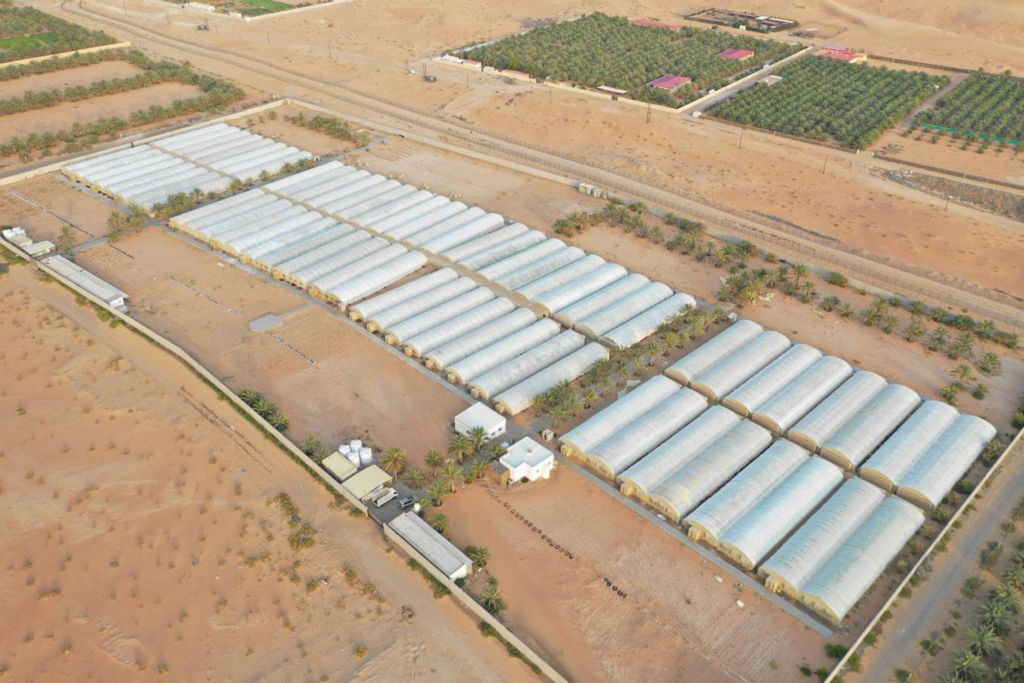
Executive Summary
Farm budget planning is the process of estimating all costs involved in agricultural production before starting a farming project. This includes land preparation, labor, equipment, irrigation, fertilizers, seeds, pest control, and operational expenses. A structured budget helps farmers understand financial requirements, reduce risk, and improve decision-making before committing resources.
This guide is designed for farmers, agribusiness owners, and agricultural planners who need a clear framework to evaluate production costs and build financially sustainable farming operations.
Direct Answer
Farm budget planning is the process of calculating all expected costs in a farming project, including land, labor, inputs, machinery, irrigation, and operational expenses. It helps determine whether a farming activity is financially viable before production begins. A proper farm budget also supports risk management, improves resource allocation, and ensures better profitability planning.
Core Topic Analysis: Why Farm Budget Planning Matters
Farm budget planning is one of the most critical steps in agricultural decision-making because it directly determines whether a farming project is financially sustainable. Many agricultural failures are not caused by poor yields, but by underestimated production costs and unrealistic profit expectations.
A farm is not profitable because it produces well; it is profitable because its costs were correctly understood and controlled before production begins.
Every farming system operates within a set of financial constraints. These constraints include fixed costs such as land preparation and equipment, and variable costs such as fertilizers, labor, irrigation, and pest control. Without a clear understanding of these costs, farmers risk overinvesting in low-return crops or underfunding essential production activities.
Farm budget planning also plays a critical role in risk reduction. Agriculture is inherently uncertain due to weather variability, input price fluctuations, and market instability. A well-prepared budget helps farmers anticipate financial pressure points and plan for contingencies before they occur.
In most agricultural systems, production costs can be grouped into four major categories:
- Fixed costs (land, machinery, infrastructure)
- Variable costs (seeds, fertilizers, pesticides)
- Labor costs (planting, maintenance, harvesting)
- Operational costs (transport, storage, irrigation energy)
Understanding how these categories interact is essential for accurate financial planning. For example, a crop with low input costs may still be unprofitable if labor requirements are high or if market prices are unstable.
Decision Framework for Farm Budget Planning
A structured farm budget is not just a list of expenses—it is a decision-making tool that helps farmers compare production options, assess financial risks, and determine whether a farming project is viable before committing resources.
The framework below organizes farm budgeting into practical evaluation categories that support clearer financial planning.
| Cost Category | What It Includes | Why It Matters |
|---|---|---|
| Land Costs | Land purchase, lease, preparation, soil testing | Forms the foundation of total investment and long-term viability |
| Input Costs | Seeds, fertilizers, pesticides, soil amendments | Directly impacts yield potential and production quality |
| Labor Costs | Planting, maintenance, harvesting, supervision | Often one of the largest hidden cost drivers in farming |
| Equipment Costs | Machinery purchase, rental, maintenance, fuel | Affects efficiency and scalability of operations |
| Irrigation Costs | Water access, pumping, energy, irrigation systems | Critical for yield stability in dry or variable climates |
| Operational Costs | Transport, storage, packaging, logistics | Determines ability to reach markets profitably |
| Risk Costs | Pest control failure, crop loss, price volatility buffer | Protects financial stability under uncertain conditions |
A farm budget that ignores labor and operational costs is incomplete. These two categories often determine whether a farming project is profitable or not.
Using this framework, farmers can evaluate multiple crop or production options side by side. For example, two crops may have similar input costs, but one may require significantly more labor or irrigation, making it less profitable in practice.
Farm budget planning should always be comparative rather than absolute. The goal is not just to calculate costs, but to compare alternatives and select the most financially balanced option.
Comparison of Budgeting Approaches
| Budgeting Approach | Strengths | Limitations | Best Use Case |
|---|---|---|---|
| Simple Cost Listing | Easy to prepare, quick overview | Misses hidden and indirect costs | Small-scale or subsistence farming |
| Detailed Cost Breakdown | High accuracy and better planning | Requires more data and time | Commercial farming operations |
| Per-Hectare Budgeting | Standardized comparison across crops | May overlook farm-specific factors | Large-scale or diversified farms |
| Cash Flow Budgeting | Tracks timing of income and expenses | More complex financial modeling | Agribusiness and investment planning |
The most effective farm budgets combine cost breakdown and cash flow analysis to understand both total expenses and financial timing pressures.
Budgeting is most powerful when it is used to compare different production strategies. A crop with slightly higher costs may still be more profitable if it generates faster cash flow or lower risk exposure.
Understanding these tradeoffs is essential for building a resilient and sustainable agricultural business model.
Ignoring hidden or indirect costs is one of the most common budgeting errors in agriculture. These costs often determine the real profitability of a farming operation.
Farm budget planning should always begin before any land preparation or planting decisions are made. Once production begins, financial flexibility decreases, making it harder to adjust decisions without incurring losses.
The next step is to break down farm costs into a structured framework that allows clear comparison between different crops, production systems, and investment levels.
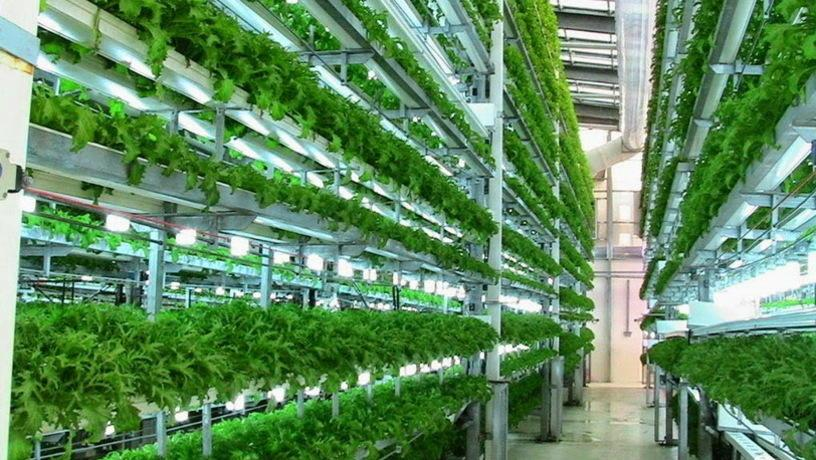
Agricultural Intelligence Insights
Farm budgeting is often treated as a one-time administrative task, but in practice it is a dynamic decision tool that should evolve as conditions change. Input prices, labor availability, fuel costs, and market conditions can shift significantly even within a single production cycle.
One of the most overlooked risks in farm budgeting is assuming that costs remain fixed throughout the season. In reality, agriculture is a variable-cost environment where inputs and outputs can change rapidly.
Another critical insight is that many farm budgets fail not because they are incorrect, but because they are incomplete. Farmers often focus heavily on visible costs such as seeds and fertilizers while underestimating indirect costs like transport delays, equipment breakdowns, storage losses, and post-harvest handling.
Labor cost estimation is particularly important. In many farming systems, labor represents one of the largest hidden expenses, especially during peak planting and harvesting periods. Underestimating labor needs can lead to delayed operations, reduced yields, and increased post-harvest losses.
Profitability in farming is often determined after harvest, not during production. Poor storage, weak logistics, and market timing can erase margins even when yields are strong.
Farm budgets should also account for risk exposure. This includes weather variability, pest outbreaks, market price fluctuations, and input shortages. A realistic budget does not eliminate risk, but it quantifies it and prepares the farmer to absorb financial shocks.
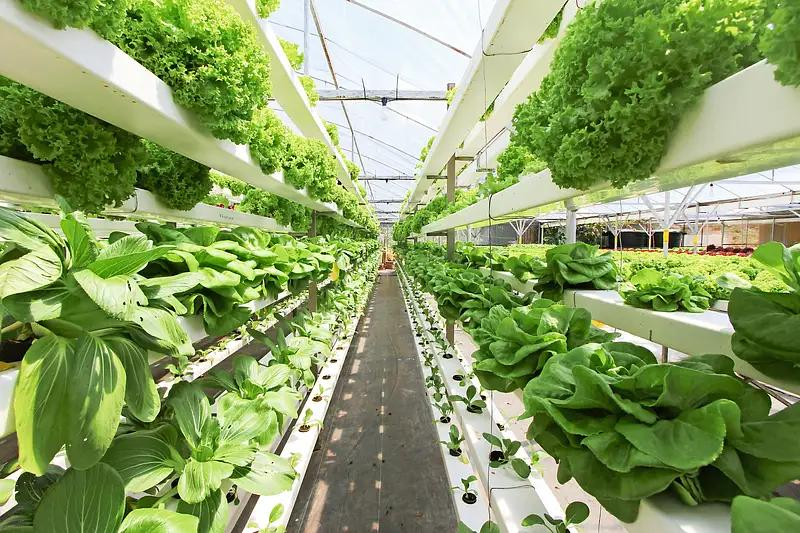
Practical Scenarios in Farm Budget Planning
The following scenarios illustrate how farm budgeting applies in real-world agricultural decisions:
- Smallholder Rainfed Farm: A farmer prioritizes low-input crops with minimal irrigation costs, focusing on reducing financial exposure during uncertain rainfall seasons.
- Commercial Vegetable Farm: High input costs are balanced by intensive market access planning, cold storage investment, and labor scheduling for frequent harvesting cycles.
- Mixed Crop Farm: Budgeting spreads costs across multiple crops to reduce risk, ensuring that failure in one crop does not compromise total farm income.
- Mechanized Grain Farm: High equipment costs are justified by reduced labor dependency and improved operational efficiency at scale.
A strong farm budget does not aim to minimize costs alone—it aims to balance cost efficiency with production reliability and market access.
Action Checklist for Farm Budget Planning
Before starting any farming project, use this checklist to evaluate financial readiness:
- List all land-related costs including preparation and soil testing
- Estimate seed, fertilizer, and pesticide requirements per crop
- Calculate labor needs for planting, maintenance, and harvesting
- Evaluate equipment ownership or rental costs
- Assess irrigation availability and energy requirements
- Include transport, storage, and market access costs
- Factor in potential yield variability and risk buffers
- Compare at least two to three production scenarios
- Estimate total cost per hectare or production unit
- Review cash flow timing for expenses and income
Frequently Asked Questions
Why is farm budgeting important before planting?
It helps determine whether a farming project is financially viable and prevents unexpected losses due to underestimated costs.
What are the main costs in farming?
The main costs include land, labor, inputs (seeds and fertilizers), equipment, irrigation, and operational expenses like transport and storage.
How often should a farm budget be updated?
Ideally, it should be reviewed before each production cycle and adjusted when market or input conditions change.
What is the most commonly underestimated cost in farming?
Labor and post-harvest logistics are often underestimated, even though they significantly affect profitability.
Is budgeting different for small and large farms?
Yes. Small farms often focus on survival and cost control, while large farms require detailed cash flow and investment planning.
Can farm budgeting improve profitability?
Yes. It helps allocate resources efficiently, reduce waste, and identify the most financially viable production options.
Should risk be included in farm budgets?
Yes. Risk buffers for pests, weather, and market changes are essential for realistic financial planning.
What is the best budgeting method for beginners?
A simple per-hectare cost breakdown is usually the most practical starting point for new farmers.
How does budgeting affect crop choice?
It helps compare production costs across crops and identify which options are financially sustainable under local conditions.
Conclusion
Farm budget planning is not just a financial exercise—it is a foundational decision-making tool that determines whether an agricultural project is viable before any money is spent. By clearly understanding all production costs, farmers can avoid unexpected losses, improve resource allocation, and make more informed crop and investment decisions.
The most successful farming operations are not those that simply reduce costs, but those that understand, structure, and control costs across the entire production cycle. When budgeting is done correctly, it becomes a strategic tool for improving profitability, managing risk, and strengthening long-term farm sustainability.
Ultimately, a well-prepared farm budget allows farmers to move from reactive decision-making to planned agricultural production with clearer financial direction and reduced uncertainty.
first time trying an online spot cuz my usual dude fell off. was nervous cuz you hear stories but these guys came through no cap. tracking info was accurate, pack showed up sealed, buds looked exactly like the pics. definitely gonna keep ordering from here on out
Was in town visiting family and needed something reliable. Found these guys and decided to try a small order. Everything landed exactly how they said it would. Made my trip a lot more relaxed.
First time ordering and I wasn’t sure what to expect. The flower showed up fresh and sealed tight, and the communication stayed solid the whole way through. Definitely felt legit and I’ll probably run it back soon.
bro these edibles knocked me OUT. took two gummies thinking I was tough, woke up 9 hours later like what year is it 😭 just kidding no emojis but yeah they hit hard, be careful
Easy ordering, simple checkout, no weird steps. The gas was straight and did what it needed to do. I’ll be back.
pack was heavy, no complaints
Ordered some pre-rolls for the weekend and they did the job. Burned even and tasted good. Can’t complain.
First timer here. They explained the crypto payment clearly and made it simple. Felt looked after the whole way.
Traveling through for work and didn’t know where to look. Took a chance here and it worked out fine. Edibles were fresh and not overly sweet, which I liked.
lowkey the best experience i had in a while. no weird back and forth, no waiting days for a reply. just business
Pack came thru quick, no complaints.
bro the pack was heavy heavy. weighed it out and it was actually a lil over. good looks on that
I wasn't sure at first because I'd been burnt by other sites before. But this ran different. Landed when they said and the quality was actually there.
Solid experience. Nothing crazy to add. Got what I paid for and it showed up when they said.
Ordered a couple edibles cause I don't smoke much anymore. They were dosed right and worked exactly how I needed them to. Simple and easy.
yo they don't play about their turnaround time. paid with crypto around noon and had a tracking number before dinner. wild
lowkey surprised how quick it moved. ordered monday had it wednesday. no complaints
Straight up one of the smoother experiences I had ordering online. Support texted me back within minutes each time. Buds looked exactly like the pics.
Solid experience overall. Prices was fair, delivery didn't drag, and the buds smelled loud when I cracked it open. Nothing crazy but nothing bad either.
Was hesitant about the crypto thing at first cause I never used it before. They walked me through it step by step and it wasn't as bad as I thought. Order came through clean.