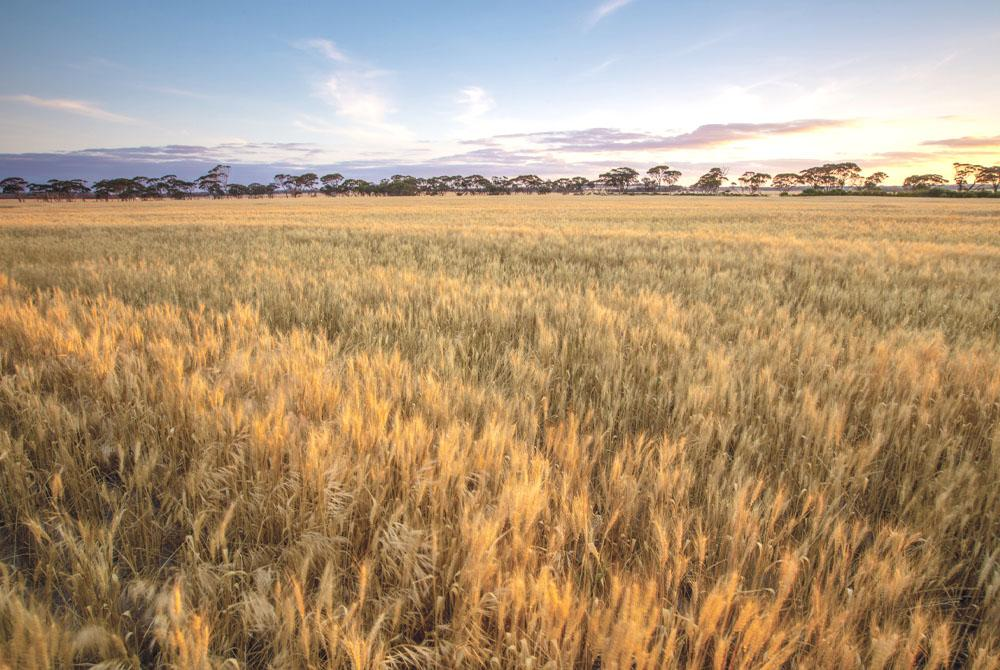
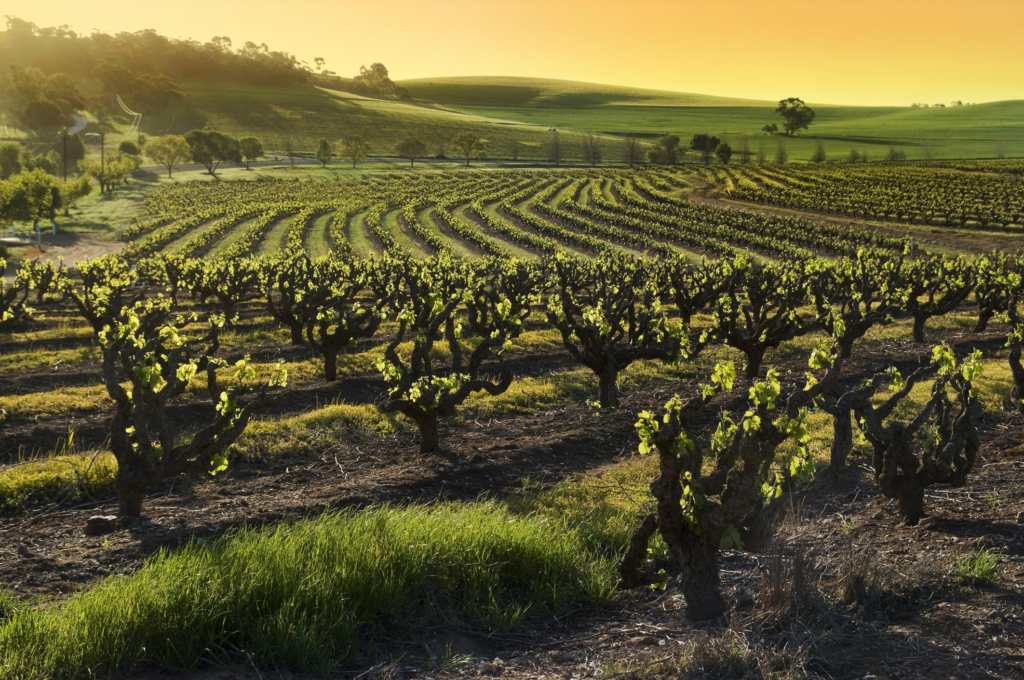
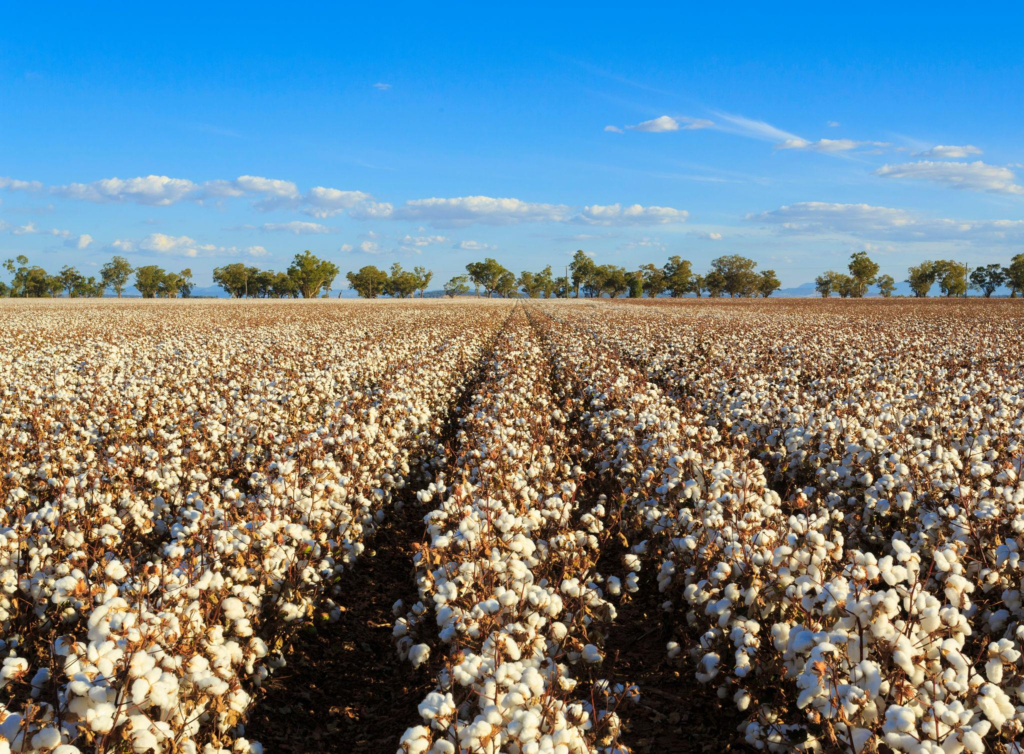
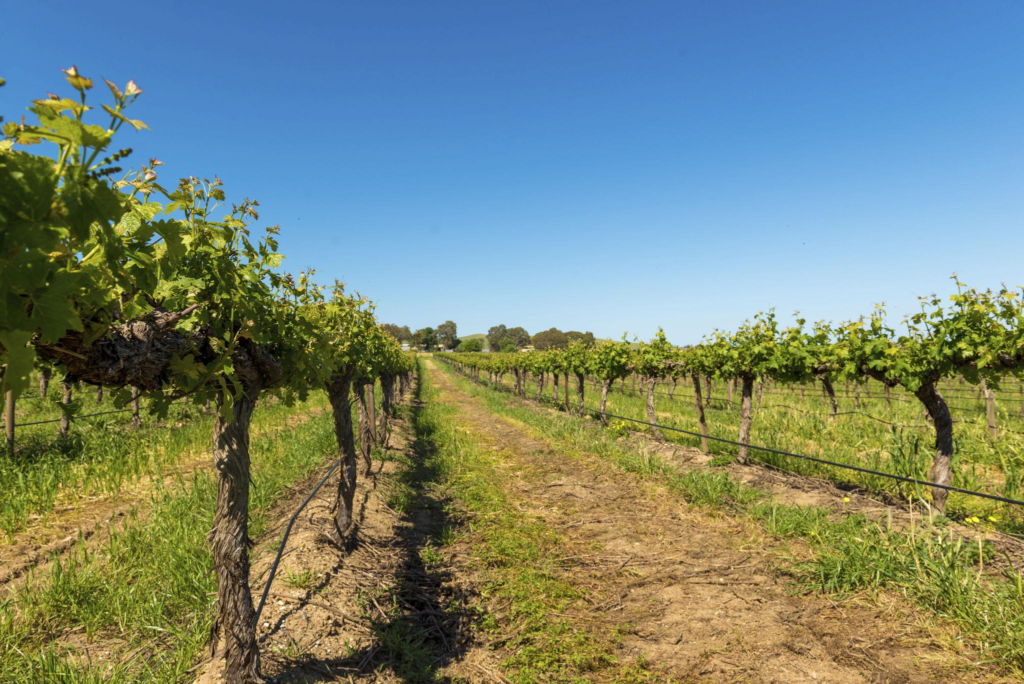
Commercial farming is the large-scale production of crops, livestock, or agricultural products primarily for sale and profit. Unlike subsistence farming, commercial farming emphasizes efficiency, productivity, technology adoption, market responsiveness, and long-term business growth. As global demand for food, fiber, and agricultural products continues to increase, commercial farming offers significant opportunities for entrepreneurs and established producers who adopt effective business management practices.
This Commercial Farming Guide explains how commercial farming businesses operate, outlines the essential components of successful farm management, and provides a practical framework for establishing, managing, and expanding profitable agricultural enterprises.
Successful commercial farming combines sound agricultural production with disciplined business management, strategic planning, and continuous operational improvement.
What Is Commercial Farming?
Commercial farming is an agricultural production system focused on generating income through the sale of crops, livestock, or value-added agricultural products. Commercial farms typically operate on a larger scale than household farms and emphasize productivity, efficiency, quality management, and market-oriented production.
These operations specialize in crop production, livestock enterprises, horticulture, aquaculture, dairy farming, mixed farming systems, or diversified agricultural businesses depending on available resources and market opportunities.
Why Commercial Farming Matters
Commercial agriculture contributes significantly to food security, employment, economic development, export earnings, and rural investment. Efficient commercial farms support stable food supplies while driving innovation throughout agricultural value chains.
Benefits of commercial farming include:
Higher production efficiency.
Improved profitability.
Greater access to domestic and international markets.
Opportunities for technology adoption.
Business scalability.
Employment creation.
Long-term enterprise development.
Commercial farming transforms agricultural production into a structured business focused on efficiency, profitability, and sustainable growth.
Characteristics Of Successful Commercial Farms
Business Characteristic
Contribution To Success
Strategic Planning
Supports long-term business growth
Efficient Resource Management
Improves productivity and profitability
Technology Adoption
Increases operational efficiency
Market Orientation
Aligns production with customer demand
Financial Management
Strengthens business sustainability
Risk Management
Improves business resilience
Continuous Improvement
Supports long-term competitiveness
Planning A Commercial Farming Business
Every successful commercial farming operation begins with a comprehensive business plan that defines production goals, financial objectives, operational requirements, market opportunities, and long-term expansion strategies.
A commercial farm plan typically includes:
Business objectives.
Enterprise selection.
Market analysis.
Production planning.
Financial projections.
Risk management strategies.
Growth and investment plans.
Selecting The Right Agricultural Enterprise
Choosing the appropriate farming enterprise depends on climate, land resources, available capital, technical knowledge, labor availability, infrastructure, and market demand. Enterprise selection influences every aspect of long-term business performance.
Enterprise Type
Typical Business Focus
Grain Production
Large-scale commodity farming
Horticulture
High-value fruits and vegetables
Livestock Farming
Meat, dairy, or breeding operations
Mixed Farming
Diversified crop and livestock systems
Aquaculture
Commercial fish and aquatic production
Specialty Crops
Premium market opportunities
Essential Resources For Commercial Farming
Commercial farms require coordinated management of physical, financial, and human resources to operate efficiently and achieve long-term profitability.
Suitable agricultural land.
Reliable water resources.
Modern machinery and equipment.
Skilled labor.
Operating capital.
Storage and processing facilities.
Transportation infrastructure.
Market access.
Long-term commercial success depends on using available resources efficiently while continuously improving operational performance.
The Role Of Technology In Commercial Farming
Modern technology enables commercial farms to improve productivity, reduce operating costs, optimize resource use, and make better management decisions. Precision agriculture, digital recordkeeping, automation, remote sensing, and data analytics increasingly support commercial agricultural operations worldwide.
Common technologies include:
GPS-guided machinery.
Precision agriculture systems.
Farm management software.
Remote sensing and drones.
Automated irrigation systems.
Livestock monitoring technologies.
Digital financial management tools.
Commercial Farm Planning & Business Growth Framework
Building a successful commercial farming enterprise requires structured planning, disciplined financial management, operational efficiency, and continuous business improvement. Rather than focusing solely on production, commercial farms should manage every aspect of the business—from resource allocation to market development—with long-term profitability in mind.
Step 1: Define Business Goals
Establish measurable objectives for production, revenue, profitability, expansion, sustainability, and operational efficiency. Clearly defined goals provide direction for investment and management decisions.
Step 2: Develop A Production Plan
Create production schedules based on climate, available resources, labor capacity, market demand, and expected yields. Planning production carefully helps maximize productivity while reducing operational inefficiencies.
Step 3: Build A Financial Management System
Develop budgets, monitor production costs, manage cash flow, track profitability, and establish financial performance indicators that support informed business decisions.
Step 4: Strengthen Operational Efficiency
Improve machinery utilization, labor productivity, irrigation management, inventory control, equipment maintenance, and workflow efficiency to reduce operating costs while increasing output.
Step 5: Expand Market Opportunities
Diversify marketing channels by supplying wholesalers, processors, retailers, exporters, food manufacturers, restaurants, and direct-to-consumer markets. Expanding customer relationships improves revenue stability and reduces market dependence.
Step 6: Scale The Business Strategically
Evaluate financial performance, production capacity, infrastructure, labor availability, and market demand before expanding operations. Sustainable growth should be supported by sound financial planning rather than rapid expansion.
Commercial farms achieve sustainable growth by expanding operational capacity only after building efficient production, financial, and management systems.
Comparing Commercial Farming Business Models
Business Model
Advantages
Potential Considerations
Specialized Farming
Operational efficiency and technical expertise
Greater exposure to market volatility
Mixed Farming
Diversified income streams
More complex management requirements
Contract Farming
Predictable demand and income stability
Contract compliance obligations
Integrated Farming
Efficient resource utilization
Higher management complexity
Value-Added Agriculture
Higher profit margins
Additional processing and marketing investment
Financial Management For Commercial Farms
Financial management supports every commercial farming decision. Monitoring cash flow, production costs, profitability, and investment performance enables business owners to make informed decisions while maintaining financial stability.
Financial Area
Primary Objective
Budgeting
Control production expenses
Cash Flow Planning
Maintain business liquidity
Enterprise Analysis
Evaluate profitability by enterprise
Capital Investment
Support long-term expansion
Debt Management
Maintain sustainable financing
Financial Reporting
Support strategic decision-making
Marketing Commercial Farm Products
Successful commercial farms combine efficient production with effective marketing strategies. Understanding customer needs, market demand, pricing trends, and distribution channels improves revenue opportunities and strengthens long-term customer relationships.
Common marketing channels include:
Agricultural cooperatives.
Wholesale markets.
Food processors.
Retail chains.
Export markets.
Farmers markets.
Direct online sales.
Contract buyers.
Diversified marketing strategies reduce dependence on individual buyers while creating more stable revenue opportunities.
Managing Business Risks
Commercial farms face production, financial, environmental, operational, and market risks throughout the production cycle. A structured risk management program improves business resilience and supports long-term sustainability.
Business Risk
Risk Management Strategy
Weather variability
Develop climate adaptation and contingency plans
Market price fluctuations
Diversify products and marketing channels
Input cost increases
Monitor budgets and improve purchasing efficiency
Labor shortages
Invest in workforce development and automation
Equipment failures
Implement preventive maintenance programs
Supply chain disruptions
Maintain multiple suppliers and inventory reserves
Technology Supporting Commercial Farm Growth
Modern technologies improve production efficiency, business management, and operational visibility across commercial farming enterprises.
Precision agriculture platforms.
GPS-guided field equipment.
Farm management information systems.
Drone-based crop monitoring.
IoT environmental sensors.
Automated irrigation systems.
Livestock monitoring technologies.
Cloud-based financial management software.
Technology investments deliver the greatest value when integrated into clearly defined business objectives and operational workflows.
Agricultural Intelligence Insights
Commercial farming is most successful when agricultural production is managed as part of a complete business system. While increasing yields remains an important objective, long-term profitability depends equally on financial management, market development, operational efficiency, technology adoption, workforce management, and strategic planning. Businesses that continuously evaluate these areas are generally better positioned to adapt to changing economic and agricultural conditions.
Scalable commercial farms focus on building efficient operational systems before expanding production. Growth supported by sound financial planning, reliable infrastructure, and strong market demand is typically more sustainable than rapid expansion driven solely by increasing acreage or livestock numbers.
Commercial farming becomes more resilient when production decisions are supported by data-driven business management and long-term strategic planning.
Common Commercial Farming Mistakes
Expanding production without sufficient financial planning.
Ignoring production costs when evaluating profitability.
Operating without a written business plan.
Depending on a single crop or livestock enterprise.
Neglecting preventive equipment maintenance.
Keeping incomplete production and financial records.
Failing to monitor changing market demand.
Underinvesting in employee training.
Ignoring technology that improves operational efficiency.
Making expansion decisions without evaluating available resources.
Hidden Factors That Influence Commercial Farm Success
Many factors affecting commercial farming profitability occur outside the production cycle. Labor availability, financing costs, supply chain reliability, transportation infrastructure, government regulations, consumer demand, and input availability all influence business performance over time.
Hidden Factor
Potential Impact
Recommended Management
Cash flow shortages
Reduced operating flexibility
Prepare cash flow forecasts and maintain financial reserves
Labor availability
Reduced operational efficiency
Invest in workforce retention and training
Equipment downtime
Production delays
Implement preventive maintenance programs
Input supply disruptions
Production interruptions
Diversify suppliers and monitor inventories
Changing consumer preferences
Reduced product demand
Monitor markets and diversify production where appropriate
Weather variability
Production uncertainty
Develop risk management and climate adaptation strategies
Commercial farming businesses that anticipate operational risks are generally better prepared to maintain profitability during periods of uncertainty.
Practical Commercial Farming Scenarios
Scenario 1: Expanding A Grain Production Business
A grain producer plans to increase cultivated acreage over the next five years. Before expanding, the business evaluates equipment capacity, storage facilities, labor requirements, financing options, and projected market demand to ensure the operation can grow without creating production bottlenecks.
Scenario 2: Diversifying Farm Revenue
A livestock operation introduces forage crop production to reduce purchased feed costs while creating an additional income source through surplus forage sales. Diversification strengthens business resilience while improving resource utilization.
Scenario 3: Investing In Precision Agriculture
A commercial crop producer adopts GPS-guided equipment, drone monitoring, and variable-rate fertilizer application. These technologies improve input efficiency, reduce waste, and support data-driven management decisions across multiple growing seasons.
Scenario 4: Improving Farm Business Management
A family-owned commercial farm introduces enterprise budgeting, digital recordkeeping, inventory management software, and annual performance reviews. Better financial reporting allows management to identify profitable enterprises and prioritize future investments.
Commercial Farming Business Checklist
Use this checklist when establishing, evaluating, or expanding a commercial farming enterprise.
Develop a comprehensive written business plan.
Define measurable production and financial objectives.
Calculate production costs accurately.
Prepare annual operating budgets.
Monitor cash flow throughout the production cycle.
Evaluate market demand before expanding production.
Invest in efficient machinery and technology.
Maintain accurate production and financial records.
Develop preventive maintenance schedules.
Diversify production or marketing channels where practical.
Review business performance annually.
Update growth strategies based on changing market conditions.
Frequently Asked Questions
What is commercial farming?
Commercial farming is the large-scale production of crops, livestock, or other agricultural products primarily for sale and profit using business-oriented management practices.
How does commercial farming differ from subsistence farming?
Commercial farming focuses on producing agricultural products for the marketplace, while subsistence farming primarily produces food for household consumption.
What factors contribute to successful commercial farming?
Why is business planning important for commercial farms?
A business plan establishes production goals, financial objectives, marketing strategies, operational priorities, and long-term growth plans that guide management decisions.
How does technology improve commercial farming?
Technologies such as precision agriculture, GPS guidance, drones, automated irrigation, digital recordkeeping, and farm management software improve efficiency, productivity, and decision-making.
What are the primary risks facing commercial farms?
Commercial farms commonly face weather variability, market volatility, rising production costs, labor shortages, equipment failures, supply chain disruptions, and regulatory changes.
Why is enterprise diversification beneficial?
Diversifying crops, livestock enterprises, or value-added products can reduce business risk, improve income stability, and create additional revenue opportunities.
How often should commercial farm business plans be reviewed?
Business plans should be reviewed annually and updated whenever significant operational, financial, or market changes occur.
Conclusion
The Commercial Farming Guide demonstrates that building a successful commercial farming enterprise requires much more than increasing production. Sustainable growth depends on combining efficient agricultural practices with sound financial management, strategic planning, market awareness, technology adoption, and continuous operational improvement. Farms that manage production and business performance together are generally better positioned to remain competitive in changing agricultural markets.
Commercial farming is an ongoing process of evaluating opportunities, improving efficiency, and adapting to new challenges. Rising production costs, changing consumer preferences, climate variability, technological innovation, and evolving market conditions all require commercial farmers to make informed decisions that balance profitability with long-term sustainability.
No single commercial farming model is appropriate for every operation. Farm size, available resources, production systems, financial capacity, labor availability, and market access all influence business strategy. Applying a structured commercial farm planning framework helps producers allocate resources effectively, manage risks proactively, and scale operations with greater confidence.
Ultimately, commercial farming is a business built on continuous learning and improvement. Producers who invest in efficient resource management, strong financial systems, modern technologies, workforce development, and customer-focused marketing strategies create stronger, more resilient agricultural enterprises capable of achieving sustainable long-term growth.