Cannabis Friendly Travel Guide Chur
Cannabis Friendly Travel Guide Chur helps visitors understand what to expect regarding cannabis in Switzerland’s oldest city. While Switzerland has adopted a more progressive approach to certain cannabis products than many European countries, recreational cannabis is not fully legal nationwide. Travelers should understand the distinction between legal low-THC CBD products and high-THC recreational cannabis before visiting Chur.
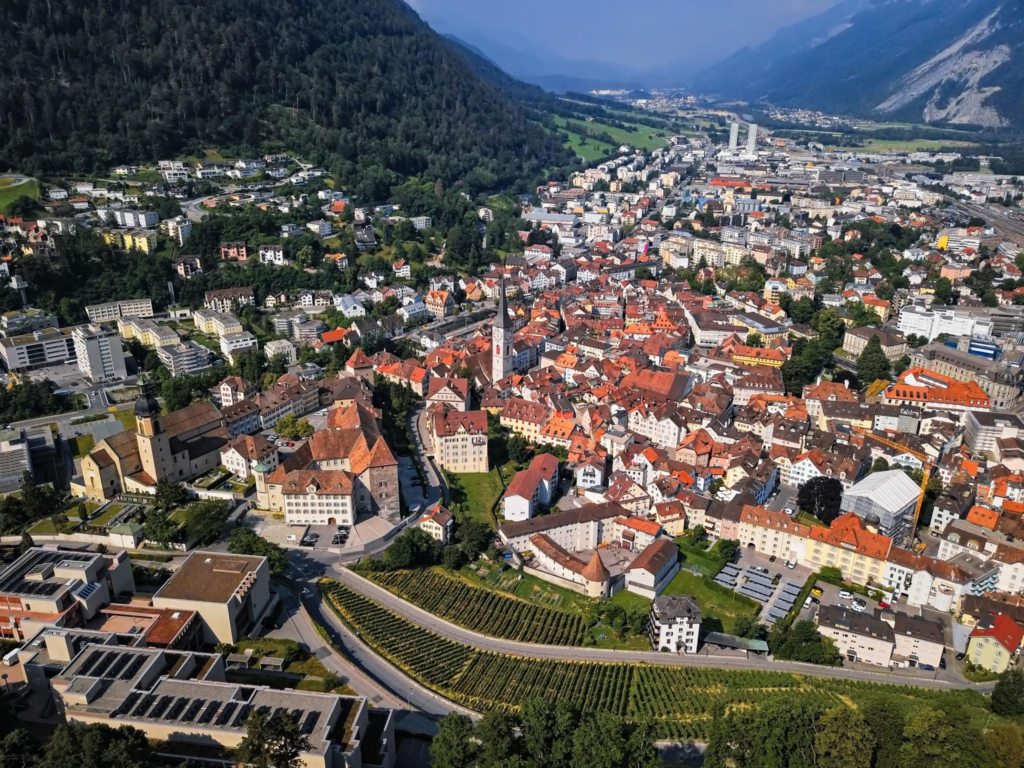
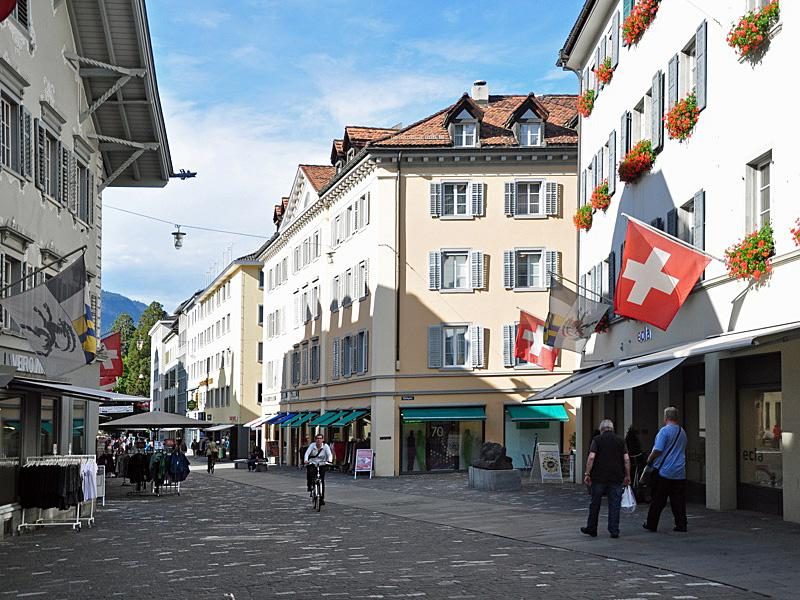
Located in the canton of Graubünden, Chur is the gateway to the Swiss Alps and is renowned for its charming Old Town, mountain railways, hiking trails, and winter sports. Cannabis is not a defining feature of the city’s tourism industry, but visitors may encounter legal CBD products sold in licensed retail outlets.
Switzerland allows the sale of cannabis products containing less than 1% THC, but higher-THC recreational cannabis remains regulated under federal law.
Quick Facts
| Category | Status |
|---|---|
| Country | Switzerland |
| Location | Chur, Graubünden |
| Recreational cannabis | Illegal for commercial retail sale outside approved pilot programs |
| CBD cannabis (under 1% THC) | Legal |
| Licensed recreational dispensaries | No general public retail market |
| Medical cannabis | Available under Swiss regulations with authorized medical supervision |
| Public consumption | Subject to federal and local laws; may result in penalties depending on the circumstances |
| Driving under the influence | Illegal |
Is Chur a Cannabis-Friendly Destination?
Chur is considered more cannabis-tolerant than destinations in countries with strict prohibition because Switzerland permits the legal sale of CBD cannabis products containing less than 1% THC. Visitors can find these products in specialty shops, tobacco stores, pharmacies, and other licensed retailers.
However, this should not be confused with full recreational legalization. Cannabis containing more than the legal THC limit remains regulated, and recreational commercial sales are not generally permitted outside authorized pilot projects operating in selected Swiss municipalities.
Understanding Cannabis Laws in Switzerland
CBD Products
Cannabis products containing less than 1% THC are legal in Switzerland and are commonly available. These products may include CBD flowers, oils, cosmetics, and wellness items that comply with Swiss regulations.
Recreational Cannabis
Switzerland has introduced carefully regulated pilot programs in selected cities to study recreational cannabis distribution. These scientific trials operate under strict government oversight and are not available nationwide. Chur is not generally recognized as a location with a public recreational cannabis pilot program.
Medical Cannabis
Medical cannabis is available under Swiss law for eligible patients through authorized healthcare providers. Individuals seeking cannabis-based treatment should consult a licensed physician regarding available therapeutic options.
Can Tourists Buy Cannabis in Chur?
Tourists may legally purchase qualifying CBD products that comply with Swiss law.
However, visitors cannot simply purchase high-THC recreational cannabis through ordinary retail outlets. Access to higher-THC cannabis remains subject to Swiss legal restrictions and applicable regulations.
Public Consumption
Public consumption of cannabis may be subject to fines or other legal consequences depending on the THC content, local regulations, and the circumstances involved. Visitors should familiarize themselves with local rules before consuming any cannabis product.
Driving and Road Safety
Driving while impaired by cannabis is illegal in Switzerland. Drivers should never operate a vehicle after consuming cannabis products that could impair their ability to drive safely.
Common Misconceptions
- Legal CBD products are not the same as legal recreational cannabis.
- Chur does not have a general recreational cannabis retail market.
- Pilot cannabis projects operate only in selected locations and under strict regulations.
- Tourists remain subject to Swiss cannabis laws.
- Driving after consuming cannabis is illegal.
Travel Tips for Visiting Chur
Understand the Difference Between CBD and THC
Many visitors are surprised to find legal CBD products widely available. Always verify that products comply with Switzerland’s THC limits before purchasing.
Respect Local Regulations
Swiss cannabis laws are more nuanced than in many countries. Following local rules helps ensure a safe and enjoyable visit.
Explore Chur’s Attractions
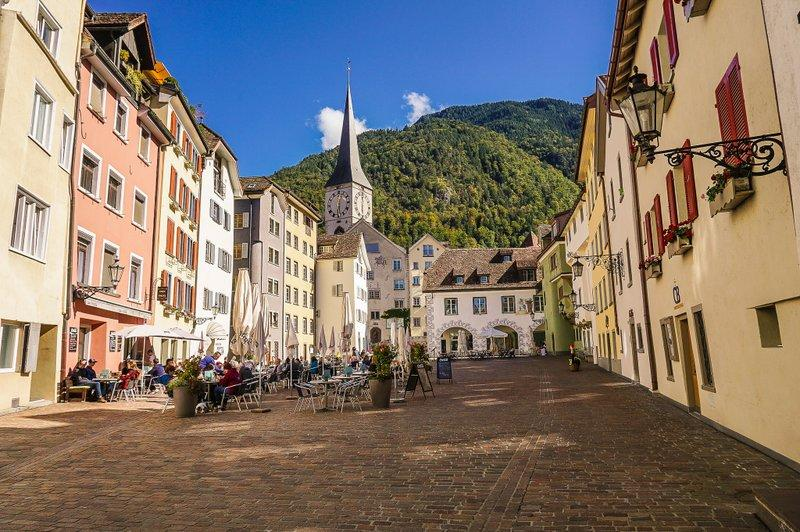
Spend time exploring Chur’s beautifully preserved Old Town, visit the Cathedral of Saint Mary of the Assumption, ride the Bernina Express or Glacier Express, and enjoy year-round hiking, skiing, and alpine scenery throughout Graubünden.
Frequently Asked Questions
Is recreational cannabis legal in Chur?
No. Switzerland has not established a nationwide legal recreational cannabis retail market.
Can tourists buy CBD products?
Yes. CBD products containing less than 1% THC may be legally sold under Swiss law.
Are there recreational cannabis dispensaries?
No. Chur does not have a general public recreational cannabis dispensary system.
Is medical cannabis available?
Yes. Eligible patients may access medical cannabis through authorized healthcare providers in accordance with Swiss regulations.
Can I drive after consuming cannabis?
No. Driving while impaired by cannabis is illegal and may result in serious legal consequences.
Conclusion
Cannabis Friendly Travel Guide Chur shows that while Switzerland offers greater legal access to CBD products than many countries, recreational cannabis remains regulated. Chur is an excellent destination for alpine adventures, history, and culture rather than cannabis tourism.
Visitors should understand the distinction between legal CBD products and regulated THC cannabis, respect Swiss laws, and consult official government sources for the latest legal information before traveling.
References
- Swiss Federal Office of Public Health (FOPH)
- Swiss Federal Office of Public Health – Medical Cannabis Information
- Federal Act on Narcotic Drugs and Psychotropic Substances (Switzerland)
- United Nations Office on Drugs and Crime (UNODC)
- European Union Drugs Agency (EUDA)
- World Health Organization (WHO)