
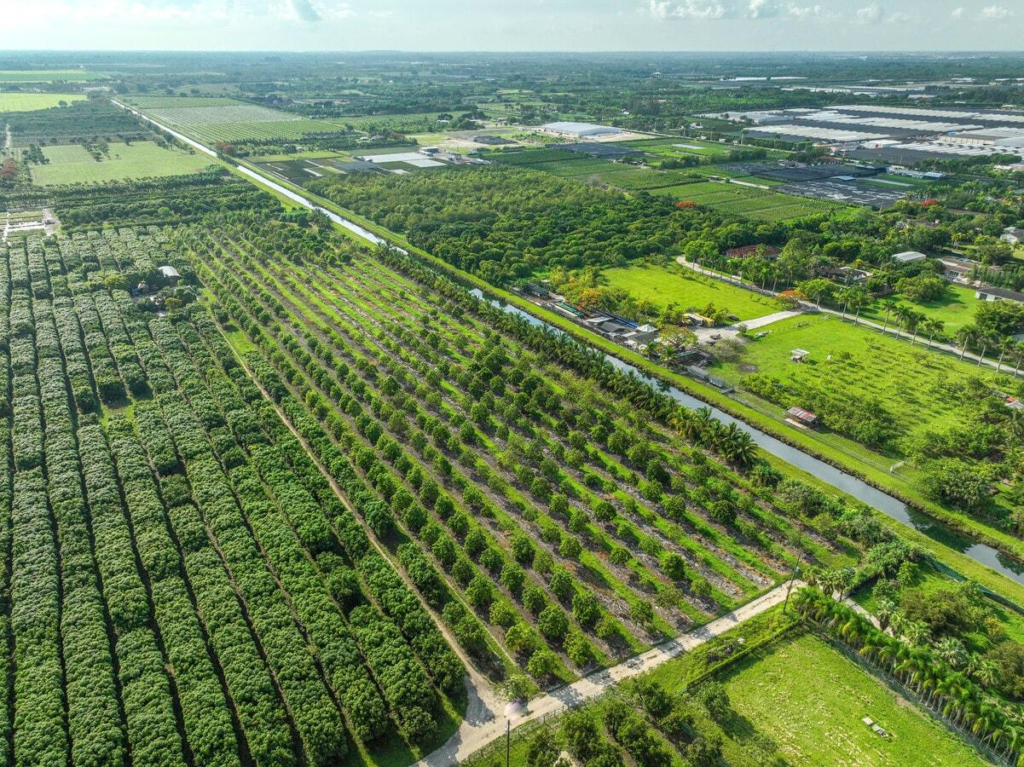
Every agricultural product follows a journey before reaching consumers. Crops, livestock products, and processed agricultural goods move through a network of producers, storage facilities, transportation providers, processors, distributors, wholesalers, retailers, and food service businesses. Understanding how these interconnected systems operate helps farmers, agribusinesses, logistics professionals, and investors improve efficiency, reduce costs, and strengthen long-term profitability.
This Agricultural Supply Chain Guide explains how agricultural supply chains function, identifies the major participants involved, and presents a practical framework for improving logistics, inventory management, operational efficiency, and value creation throughout the farm-to-consumer process.
An efficient agricultural supply chain minimizes waste, preserves product quality, and delivers value at every stage from production to the final consumer.
What Is an Agricultural Supply Chain?
An agricultural supply chain is the complete system that moves agricultural products from farms to consumers. It includes production, harvesting, storage, transportation, processing, packaging, distribution, wholesale operations, retail sales, and final consumption.
Each stage contributes value while ensuring products remain safe, marketable, and available when consumers need them. Effective supply chain management coordinates these activities to improve efficiency, reduce losses, and maintain product quality.
Why Agricultural Supply Chains Matter
Supply chains influence nearly every aspect of agricultural profitability. Delays, poor storage, inefficient transportation, or weak coordination can increase costs and reduce product quality. Well-managed supply chains improve customer satisfaction while helping agricultural businesses remain competitive.
Benefits of efficient agricultural supply chains include:
- Reduced post-harvest losses.
- Improved product quality.
- Lower transportation costs.
- Better inventory management.
- Faster product delivery.
- Greater customer satisfaction.
- Improved business profitability.
Supply chain efficiency creates value by reducing waste while improving reliability, quality, and customer service.
The Agricultural Supply Chain Process
| Supply Chain Stage | Primary Function | Key Activities |
|---|---|---|
| Production | Growing crops and raising livestock | Planting, cultivation, feeding, and farm management |
| Harvesting | Collecting agricultural products | Harvesting, sorting, and initial handling |
| Storage | Protecting products before distribution | Warehousing, grain storage, cold storage, and inventory control |
| Transportation | Moving products between facilities | Road, rail, sea, and air freight logistics |
| Processing | Adding value to raw commodities | Cleaning, grading, milling, packaging, and manufacturing |
| Distribution | Delivering products to buyers | Wholesale distribution and regional logistics |
| Retail | Selling products to consumers | Supermarkets, local markets, restaurants, and online sales |
| Consumption | Final product use | Household, commercial, and industrial consumption |
Key Participants in the Agricultural Supply Chain
Modern agricultural supply chains rely on collaboration among multiple organizations. Each participant contributes specialized expertise that supports product movement, quality assurance, and customer satisfaction.
| Participant | Primary Responsibility |
|---|---|
| Farmers | Produce agricultural commodities |
| Input Suppliers | Provide seeds, fertilizers, equipment, and crop protection products |
| Storage Operators | Maintain product quality after harvest |
| Transportation Companies | Move products throughout the supply chain |
| Processors | Convert raw products into value-added goods |
| Distributors | Coordinate product movement to commercial buyers |
| Wholesalers | Supply retailers and institutional customers |
| Retailers | Sell products directly to consumers |
How Value Is Added Throughout the Supply Chain
Raw agricultural products typically increase in value as they progress through the supply chain. Improvements in handling, processing, packaging, branding, transportation, and quality assurance create additional value for both businesses and consumers.
- Cleaning and grading improve marketability.
- Processing creates higher-value food products.
- Packaging protects products and extends shelf life.
- Cold chain systems preserve quality.
- Branding increases product recognition.
- Efficient logistics reduce delivery time.
- Quality assurance builds customer confidence.
The Importance of Agricultural Logistics
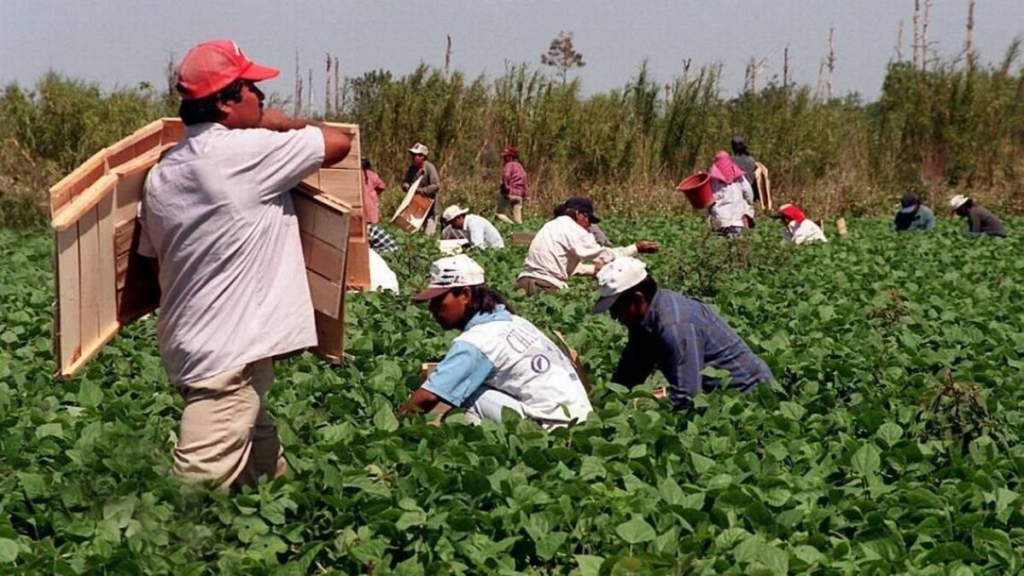
Logistics connects every stage of the agricultural supply chain by coordinating transportation, warehousing, inventory management, scheduling, and product delivery. Efficient logistics reduce costs, improve product quality, and strengthen customer satisfaction while minimizing waste.
Efficient logistics transform agricultural production into dependable market supply by ensuring products arrive in the right place, at the right time, and in the right condition.
Agricultural Supply Chain Management Framework
Managing an agricultural supply chain requires coordinated planning across production, storage, transportation, processing, inventory management, and customer delivery. A structured management framework helps agricultural businesses reduce waste, improve operational efficiency, and strengthen long-term profitability.
Step 1: Evaluate Supply Chain Requirements
Begin by identifying product characteristics, customer expectations, storage requirements, transportation needs, production capacity, and delivery schedules. Understanding these operational requirements forms the foundation of an efficient supply chain.
Step 2: Optimize Production Planning
Align production schedules with anticipated market demand, available storage capacity, transportation resources, and processing capabilities. Coordinated planning helps minimize inventory bottlenecks and product losses.
Step 3: Strengthen Storage And Inventory Management
Implement storage systems that preserve product quality while supporting efficient inventory rotation. Inventory records should be monitored continuously to prevent shortages, overstocking, and spoilage.
Step 4: Improve Transportation And Distribution
Select transportation methods that balance delivery speed, product protection, operational efficiency, and logistics costs. Shipment tracking and route optimization can improve overall supply chain performance.
Step 5: Monitor Operational Performance
Measure supply chain performance using delivery times, inventory turnover, transportation costs, product losses, customer satisfaction, and overall operational efficiency.
Step 6: Review And Improve Continuously
Supply chains should be reviewed regularly to identify process improvements, evaluate new technologies, strengthen supplier relationships, and respond to changing market conditions.
Continuous improvement strengthens agricultural supply chains by reducing inefficiencies while increasing reliability and customer value.
Comparing Agricultural Supply Chain Models
| Supply Chain Model | Advantages | Considerations |
|---|---|---|
| Direct Farm-to-Consumer | Greater producer control and direct customer relationships | Limited market reach and higher marketing responsibility |
| Wholesale Distribution | Large-volume market access | Lower direct customer interaction |
| Processor-Based Supply Chain | Value-added production opportunities | Additional processing requirements |
| Retail Distribution Network | Broad consumer availability | Complex logistics coordination |
| Export Supply Chain | Access to international markets | Additional regulatory and logistics requirements |
Storage And Inventory Management
Proper storage protects product quality while allowing businesses to balance supply with customer demand. Effective inventory management minimizes spoilage, reduces unnecessary storage costs, and improves product availability throughout the year.
| Storage Practice | Business Benefit |
|---|---|
| Climate-Controlled Storage | Maintains product quality |
| Inventory Rotation | Reduces spoilage |
| Digital Inventory Tracking | Improves inventory accuracy |
| Quality Inspections | Maintains product standards |
| Warehouse Organization | Improves operational efficiency |
| Demand Forecasting | Optimizes inventory levels |
Transportation And Distribution Planning
Transportation decisions influence delivery costs, product quality, customer satisfaction, and overall supply chain performance. Selecting appropriate transportation methods depends on product characteristics, delivery schedules, and destination requirements.
| Transportation Method | Advantages | Typical Agricultural Applications |
|---|---|---|
| Road Transport | Flexible and efficient regional delivery | Fresh produce, livestock, packaged foods |
| Rail Transport | Cost-effective bulk transportation | Grains, fertilizers, feed ingredients |
| Ocean Freight | Economical international shipping | Export commodities and processed foods |
| Air Freight | Rapid international delivery | High-value and perishable products |
| Intermodal Transport | Combines transportation modes efficiently | Complex domestic and international logistics |
Transportation efficiency directly affects product quality, delivery reliability, and overall customer satisfaction.
Technology Supporting Modern Supply Chains
Digital technologies continue to improve supply chain visibility, inventory accuracy, logistics coordination, and operational decision-making throughout agriculture.
- Inventory management software.
- GPS fleet tracking.
- Warehouse management systems.
- Internet of Things (IoT) monitoring devices.
- Cold chain temperature monitoring.
- Barcode and RFID tracking.
- Supply chain analytics platforms.
- Enterprise resource planning (ERP) systems.
Managing Supply Chain Risks
Supply chains face operational risks that can disrupt product movement and reduce profitability. Proactive risk management improves business continuity while protecting customer relationships.
| Supply Chain Risk | Recommended Management Strategy |
|---|---|
| Transportation delays | Develop alternative logistics plans |
| Storage failures | Maintain preventive maintenance schedules |
| Inventory shortages | Improve demand forecasting |
| Equipment failures | Implement routine maintenance programs |
| Supplier disruptions | Diversify supplier networks |
| Market volatility | Maintain flexible operational planning |
Strong supply chains combine operational efficiency with flexibility to respond effectively when disruptions occur.
Agricultural Intelligence Insights
Modern agricultural supply chains are highly interconnected systems that extend far beyond the farm gate. Every decision involving production, storage, transportation, processing, inventory management, and distribution influences product quality, customer satisfaction, operational costs, and overall profitability. Businesses that understand these connections are better positioned to improve efficiency while responding to changing market conditions.
Supply chain management is not simply about moving products from one location to another. It requires continuous coordination between suppliers, producers, logistics providers, processors, distributors, retailers, and customers. Effective communication and planning across every stage help reduce delays, minimize waste, and improve long-term business performance.
The strongest agricultural supply chains focus on reliability, visibility, and continuous improvement rather than simply moving products as quickly as possible.
Common Agricultural Supply Chain Mistakes
- Focusing only on production while neglecting downstream logistics.
- Maintaining inaccurate inventory records.
- Poor coordination between harvesting and transportation schedules.
- Inadequate storage conditions that reduce product quality.
- Depending on a single transportation provider.
- Ignoring demand forecasts when planning production.
- Failing to monitor supply chain performance metrics.
- Delaying equipment maintenance until failures occur.
- Limited communication between supply chain partners.
- Not preparing contingency plans for operational disruptions.
Hidden Factors That Influence Supply Chain Performance
Many supply chain problems originate from operational issues that are not immediately visible. Small inefficiencies in inventory management, warehouse operations, transportation scheduling, supplier coordination, or equipment maintenance often accumulate over time, increasing costs and reducing service quality.
| Hidden Factor | Potential Impact | Recommended Management |
|---|---|---|
| Inventory inaccuracies | Product shortages or excess inventory | Use digital inventory tracking and regular stock audits |
| Poor warehouse organization | Longer handling times and product damage | Optimize warehouse layouts and storage procedures |
| Transportation bottlenecks | Delivery delays and higher logistics costs | Develop alternative transportation options |
| Weak supplier communication | Production interruptions | Maintain regular communication with suppliers |
| Inadequate cold chain management | Reduced product quality | Monitor storage temperatures continuously |
| Changing market demand | Inventory imbalances | Use demand forecasting to improve planning |
Supply chain visibility enables businesses to identify operational problems early, allowing corrective action before disruptions affect customers.
Practical Scenarios
Scenario 1: Grain Farm Improving Storage Efficiency
A grain producer invests in modern storage facilities equipped with moisture monitoring systems and digital inventory management. Improved storage conditions reduce post-harvest losses while allowing grain to be marketed when market conditions become more favorable.
Scenario 2: Fresh Produce Business Optimizing Cold Chain Logistics
A vegetable distributor introduces refrigerated transportation, real-time shipment tracking, and warehouse temperature monitoring. Improved cold chain management extends product freshness while reducing spoilage during transportation and storage.
Scenario 3: Food Processor Strengthening Supplier Coordination
A food processing company develops long-term purchasing agreements with multiple producers while integrating digital scheduling systems. Improved coordination reduces production interruptions and ensures a more consistent supply of raw materials throughout the year.
Scenario 4: Agricultural Cooperative Enhancing Distribution Efficiency
An agricultural cooperative centralizes warehousing and transportation planning for its members. Shared logistics resources reduce transportation costs, improve delivery scheduling, and strengthen negotiating power with commercial buyers.
Agricultural Supply Chain Management Checklist
Use this checklist to evaluate and improve supply chain performance across your agricultural operation.
- Map every stage of your supply chain from production to final customer.
- Monitor inventory levels regularly.
- Develop accurate demand forecasts.
- Maintain proper storage conditions for every product.
- Inspect transportation equipment routinely.
- Diversify suppliers and logistics providers where practical.
- Track delivery performance and customer satisfaction.
- Review warehouse organization periodically.
- Implement preventive equipment maintenance programs.
- Use digital technologies to improve supply chain visibility.
- Develop contingency plans for operational disruptions.
- Review supply chain performance annually and identify improvement opportunities.
Frequently Asked Questions
What is an agricultural supply chain?
An agricultural supply chain is the complete network of activities involved in moving agricultural products from farms through storage, transportation, processing, distribution, retail, and finally to consumers.
Why is supply chain management important in agriculture?
Supply chain management improves operational efficiency, reduces waste, protects product quality, lowers logistics costs, and supports timely delivery to customers.
What are the major stages of an agricultural supply chain?
The primary stages include production, harvesting, storage, transportation, processing, packaging, distribution, retail, and final consumption.
How does logistics improve supply chain performance?
Efficient logistics coordinate transportation, inventory management, warehousing, and delivery schedules to reduce delays, lower costs, and improve customer service.
What technologies improve agricultural supply chains?
Inventory management software, GPS tracking, warehouse management systems, IoT sensors, RFID technology, supply chain analytics, and ERP platforms improve operational visibility and decision-making.
How can businesses reduce supply chain risks?
Risk can be reduced by diversifying suppliers, maintaining preventive maintenance programs, improving inventory management, monitoring logistics performance, and preparing contingency plans.
Why is inventory management important?
Accurate inventory management helps prevent shortages, reduce spoilage, optimize storage capacity, and improve customer service while controlling operational costs.
How often should supply chain performance be reviewed?
Performance should be monitored continuously, with comprehensive operational reviews conducted regularly to identify opportunities for improving efficiency, reliability, and profitability.
Conclusion
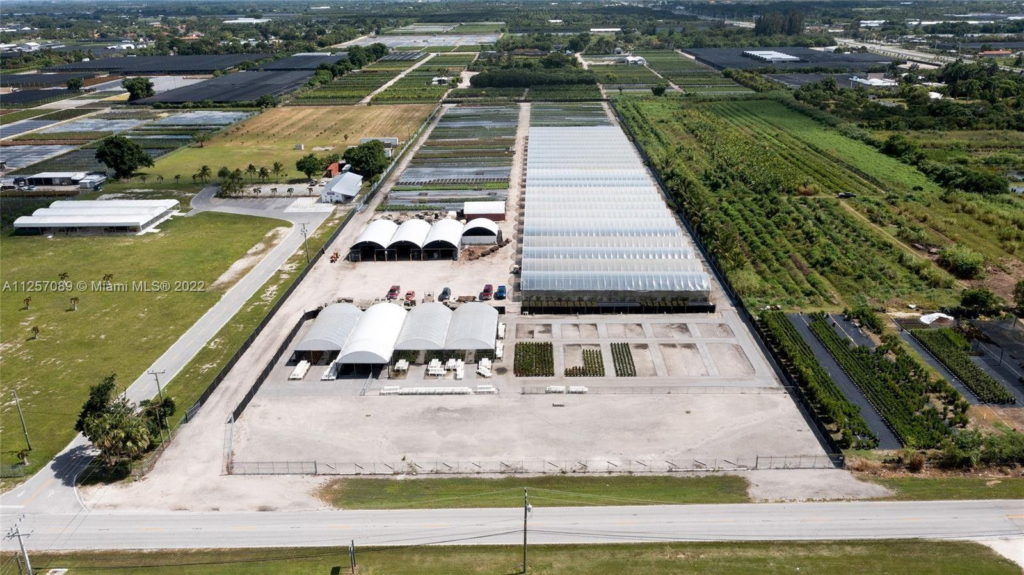
The Agricultural Supply Chain Guide demonstrates that efficient supply chain management is essential for delivering agricultural products from farms to consumers while maintaining product quality, controlling costs, and supporting long-term profitability. Every stage—from production and storage to transportation, processing, distribution, and retail—contributes to the overall performance of the agricultural value chain.
Well-managed supply chains rely on careful planning, strong communication, reliable logistics, and continuous performance monitoring. Businesses that invest in inventory management, transportation efficiency, supplier relationships, warehouse operations, and digital technologies are better positioned to respond to changing market conditions while minimizing waste and operational disruptions.
No agricultural supply chain is identical. Product characteristics, customer expectations, transportation infrastructure, storage requirements, regulatory obligations, and market demand all influence operational decisions. Applying a structured supply chain management framework enables agricultural businesses to identify inefficiencies, improve coordination, and strengthen overall business resilience.
Ultimately, agricultural supply chain management is about creating value at every stage of the production and distribution process. Organizations that continuously improve logistics, inventory control, product handling, and customer service can strengthen competitiveness while supporting sustainable growth across increasingly complex agricultural markets.