
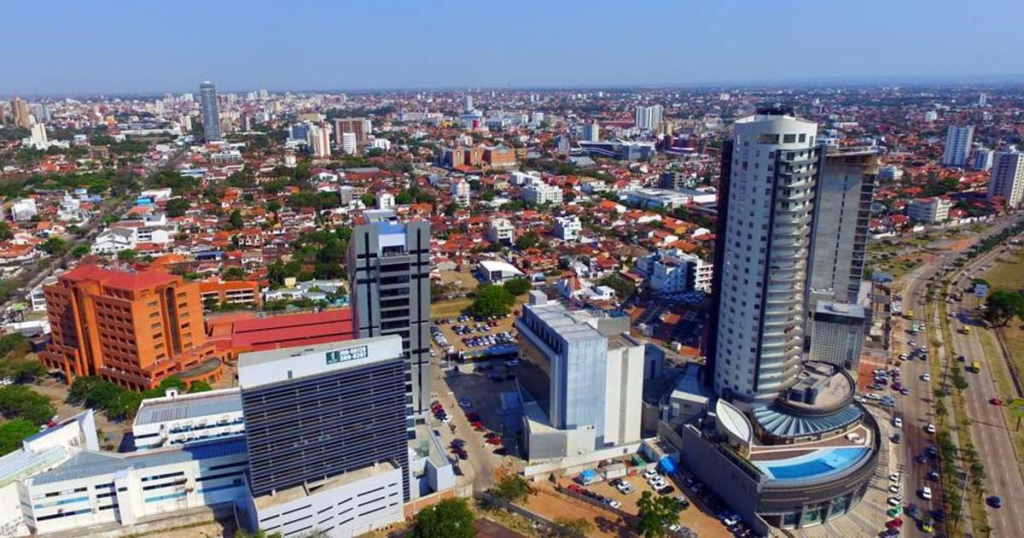
Find Weed In Santa Cruz De La Sierra
Many travelers searching for Find Weed In Santa Cruz De La Sierra are trying to understand whether cannabis can be purchased legally while visiting Bolivia’s largest city. The short answer is no. Bolivia does not have a legal recreational cannabis market, and visitors should not expect licensed cannabis dispensaries similar to those found in Canada, parts of the United States, or some European countries.
Understanding the legal framework before traveling can help you avoid misunderstandings and ensure your visit to Santa Cruz de la Sierra remains enjoyable and compliant with local law.
Santa Cruz de la Sierra has no licensed recreational cannabis dispensaries. Travelers should rely on official information and respect Bolivia’s drug laws throughout their visit.
Quick Answer
Recreational cannabis is illegal in Bolivia. There are no licensed recreational cannabis dispensaries in Santa Cruz de la Sierra. Tourists cannot legally purchase cannabis for recreational use, and unauthorized possession or distribution may result in criminal penalties under Bolivian law.
Quick Facts
| Category | Status |
|---|---|
| Recreational Cannabis | Illegal |
| Licensed Recreational Dispensaries | None |
| Medical Cannabis | No comprehensive public medical cannabis program |
| Cannabis Social Clubs | Not permitted |
| Tourist Purchases | Not legal |
| Public Consumption | Illegal |
Understanding Cannabis Laws in Santa Cruz de la Sierra
Santa Cruz de la Sierra follows Bolivia’s national drug legislation. Recreational cannabis remains prohibited, and the country has not introduced a regulated retail system for adult-use cannabis.
As a result, there are no licensed shops where residents or visitors can legally buy recreational cannabis. Drug laws are enforced nationally, and travelers should not assume that practices in neighboring countries apply in Bolivia.
Medical Cannabis
Bolivia does not currently operate a broad medical cannabis program that allows patients or visitors to purchase cannabis products from licensed pharmacies or dispensaries. Medical access remains very limited compared with jurisdictions that have established regulated medical cannabis systems.
If you travel with prescription medicines, always review Bolivian customs requirements before departure and consult the relevant authorities regarding permitted medications.
Cannabis Social Clubs
Unlike certain countries that regulate cannabis social clubs, Bolivia does not recognize this model. Santa Cruz de la Sierra has no legal cannabis clubs where members may lawfully obtain recreational cannabis.
Industrial Hemp
Although hemp and cannabis policy occasionally appear in regional policy discussions, these conversations have not created a legal recreational cannabis market. Travelers should avoid assuming that industrial hemp initiatives change recreational cannabis laws.
Can Tourists Buy Cannabis?
No. Visitors do not receive any exemption from Bolivia’s drug laws. Tourists cannot legally purchase recreational cannabis while visiting Santa Cruz de la Sierra.
Many first-time visitors mistakenly assume that large metropolitan areas have more relaxed enforcement. However, Bolivia’s national legislation applies regardless of whether you are a resident or an international traveler.
Home Cultivation
Bolivian law does not provide a general legal framework allowing recreational home cultivation of cannabis.
Possession Rules
Unauthorized possession of cannabis may carry legal consequences under Bolivian law. Authorities assess cases based on the applicable legal framework and surrounding circumstances. Travelers should avoid carrying cannabis or cannabis-derived products unless they are clearly permitted under current regulations.
Public Consumption
Public consumption of cannabis is illegal. Smoking or consuming cannabis in parks, hotels, public streets, restaurants, or other public places may attract law enforcement attention.
Driving and Cannabis
Driving while impaired by cannabis is dangerous and unlawful. Visitors should never operate a vehicle after consuming any impairing substance and should ensure they comply with local traffic regulations throughout their stay.
Recent Legal Developments
Drug policy continues to evolve globally, but Bolivia has not introduced a legal recreational cannabis retail market. Because legislation can change, travelers should consult official government information before relying on outdated online advice.
Common Misconceptions
- Bolivia does not have licensed recreational dispensaries.
- Tourists cannot legally purchase cannabis simply because they are visitors.
- Large cities do not operate under different recreational cannabis laws.
- Online discussions and social media posts are not substitutes for official legal guidance.
Traveller Tips
- Research local laws before traveling.
- Respect Bolivia’s drug legislation.
- Avoid offers from street sellers.
- Do not transport cannabis across international borders.
- Check official government information if regulations change before your trip.
Frequently Asked Questions
Is recreational cannabis legal in Santa Cruz de la Sierra?
No. Recreational cannabis remains illegal.
Are there licensed cannabis dispensaries?
No. There are no licensed recreational cannabis dispensaries.
Can tourists legally buy cannabis?
No. Visitors are subject to the same laws as residents.
Are cannabis social clubs legal?
No.
Can I take cannabis into Bolivia?
Travelers should not transport cannabis across international borders unless expressly permitted by the laws of every country involved.
Conclusion
Anyone searching for Find Weed In Santa Cruz De La Sierra should understand that Bolivia does not operate a legal recreational cannabis market. There are no licensed dispensaries, no legal cannabis social clubs, and tourists cannot legally purchase recreational cannabis. Respecting local laws and relying on official government information will help ensure a safe and trouble-free visit.
References
- Government of Bolivia – Law No. 1008 on Controlled Substances
- United Nations Office on Drugs and Crime (UNODC)
- International Narcotics Control Board (INCB)
- World Health Organization (WHO)