
Marijuana Legal Guide Kawagoe: Japan Cannabis Laws & Travel Guide
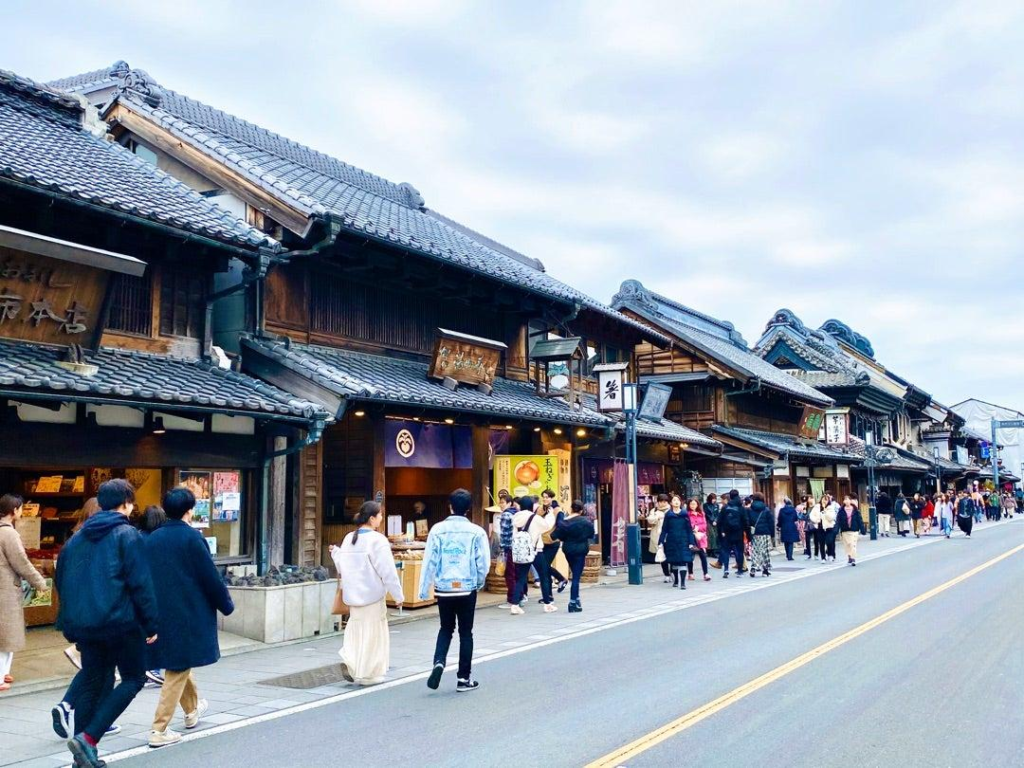
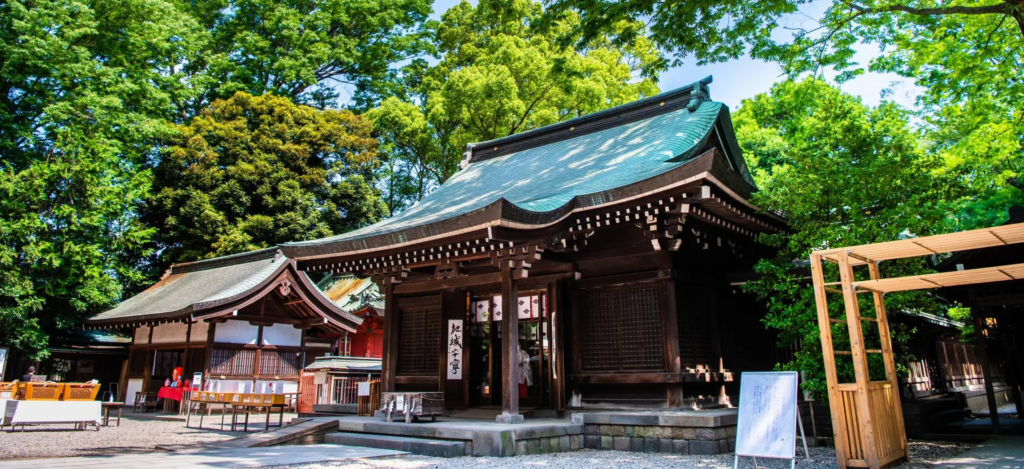
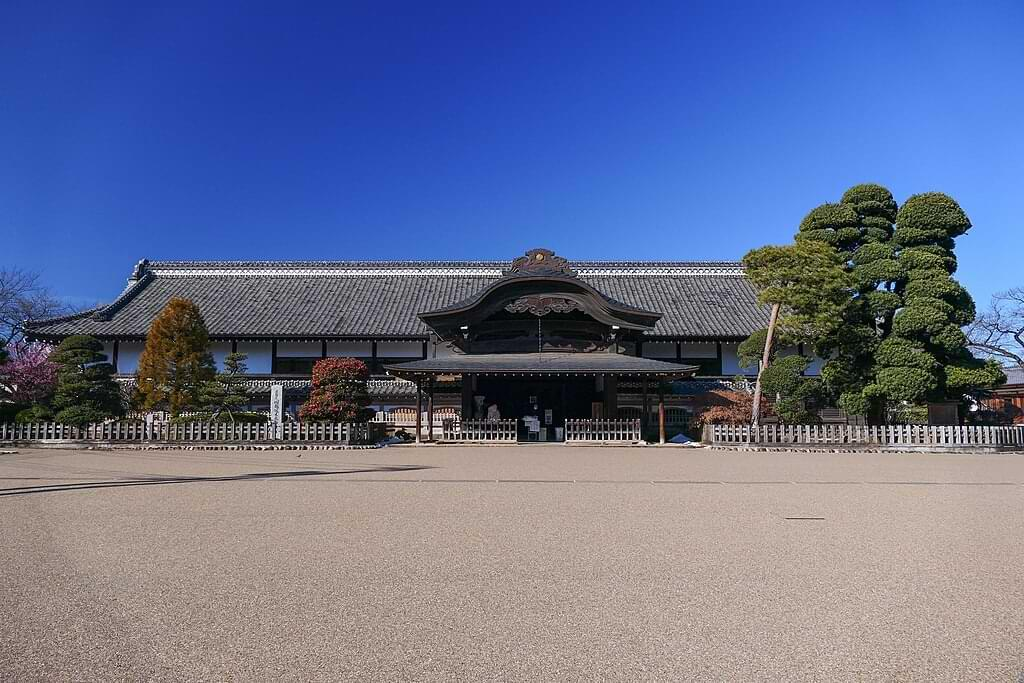
Kawagoe, located in Saitama Prefecture just northwest of Tokyo, is affectionately known as “Little Edo” for its beautifully preserved warehouse district, historic merchant streets, and traditional Japanese atmosphere. Visitors come to explore Kurazukuri Street, Kawagoe Castle, Hikawa Shrine, and the iconic Toki no Kane (Bell of Time). If you’re searching for a Marijuana Legal Guide Kawagoe, it’s important to understand that recreational cannabis remains illegal throughout Japan. There are no licensed recreational cannabis dispensaries, cannabis cafés, or cannabis social clubs in Kawagoe or anywhere else in the country.
Japan has no licensed recreational cannabis dispensaries, cannabis cafés, or cannabis social clubs. Recreational cannabis is illegal nationwide, and unauthorized possession, purchase, sale, cultivation, importation, exportation, and trafficking carry severe criminal penalties.
Quick Answer
There is no legal place to buy recreational cannabis in Kawagoe. Japan has no licensed recreational cannabis dispensaries, cannabis cafés, cannabis social clubs, or legal recreational marijuana stores. Recreational possession, purchase, sale, cultivation, and trafficking are illegal under Japanese law.
Quick Facts
| Topic | Status |
|---|---|
| Recreational Cannabis | Illegal |
| Licensed Recreational Dispensaries | None |
| Medical Cannabis | Limited access to approved cannabis-derived medicines under Japanese law |
| CBD Products | Only compliant THC-free CBD products are permitted under Japanese regulations |
| Home Cultivation | Illegal |
| Public Consumption | Illegal |
| Driving Under the Influence | Illegal |
Can You Legally Buy Cannabis in Kawagoe?
No. Recreational cannabis cannot legally be purchased anywhere in Kawagoe or elsewhere in Japan.
- No licensed recreational cannabis dispensaries.
- No cannabis cafés.
- No cannabis social clubs.
- No legal recreational marijuana retail stores.
Buying cannabis from unauthorized sellers is illegal and may expose residents and visitors to severe criminal penalties, financial scams, and unsafe products.
Japan’s Cannabis Laws
Japan enforces some of the world’s strictest cannabis laws under the Cannabis Control Act and related legislation. Unauthorized possession, cultivation, purchase, sale, importation, exportation, and trafficking of cannabis are criminal offences. Penalties can include substantial fines and imprisonment, with particularly severe consequences for trafficking and organized drug offences.
Japan has recently introduced a framework allowing limited access to certain approved cannabis-derived medicines. However, these changes do not legalize recreational cannabis or create a recreational retail market.
Medical Cannabis
Japan permits limited access to specific cannabis-derived pharmaceutical products that have received regulatory approval. These medicines are available only under strict medical supervision and do not permit recreational cannabis use.
Can Tourists Buy Marijuana?
No. Tourists cannot legally purchase recreational cannabis in Kawagoe or anywhere else in Japan. Foreign visitors are expected to comply fully with Japanese narcotics laws.
CBD Products
Japan permits only CBD products that comply with strict domestic regulations, including restrictions on THC. Travelers should carefully verify that any CBD products comply with Japanese law before bringing them into the country.
Possession and Public Consumption
Unauthorized possession and public consumption of cannabis are illegal and may result in arrest, prosecution, imprisonment, and other serious legal consequences.
Home Cultivation
Growing cannabis without legal authorization is prohibited throughout Japan.
Driving and Cannabis
Driving while impaired by cannabis or any intoxicating substance is illegal and may result in criminal prosecution, licence suspension, fines, and imprisonment.
Traveller Tips
- Do not attempt to buy or possess recreational cannabis.
- Avoid illegal drug markets and unauthorized sellers.
- Verify that any CBD product complies fully with Japanese regulations before travel.
- Respect Japan’s strict narcotics laws throughout your visit.
- Never drive after consuming cannabis or any impairing substance.
- Enjoy Kawagoe’s historic streets, temples, shrines, and traditional cuisine responsibly.
Common Misconceptions
- “CBD products from abroad are automatically legal.” No. Japan has strict rules regarding CBD and THC content.
- “There are recreational cannabis dispensaries.” No. Japan has no licensed recreational cannabis dispensaries.
- “Medical cannabis legalization means recreational cannabis is legal.” No. Approved cannabis-derived medicines do not legalize recreational cannabis.
Frequently Asked Questions
Can I legally buy cannabis in Kawagoe?
No. Recreational cannabis cannot legally be purchased anywhere in Kawagoe or Japan.
Are there recreational cannabis dispensaries?
No. Japan has no licensed recreational cannabis dispensaries.
Is medical cannabis legal?
Japan permits limited access to certain approved cannabis-derived medicines under strict regulation.
Can tourists buy marijuana?
No. Tourists cannot legally purchase recreational cannabis anywhere in Japan.
Can I legally grow cannabis at home?
No. Home cultivation is illegal.
Conclusion
If you’re looking for a Marijuana Legal Guide Kawagoe, the legal position is clear: there is no lawful place to obtain recreational cannabis in Kawagoe or anywhere else in Japan. The country has no licensed recreational cannabis dispensaries, cannabis cafés, or cannabis social clubs. While Japan now allows limited access to certain approved cannabis-derived medicines, recreational cannabis remains illegal. Visitors should respect Japanese law while enjoying Kawagoe’s remarkable historic district, cultural landmarks, and traditional atmosphere.
References
- Ministry of Health, Labour and Welfare of Japan.
- Cannabis Control Act (Japan).
- National Police Agency of Japan.
- International Narcotics Control Board (INCB).
- United Nations Office on Drugs and Crime (UNODC).
- World Health Organization (WHO).