
Get Weed in Gwalior: India’s Cannabis Laws & Travel Guide
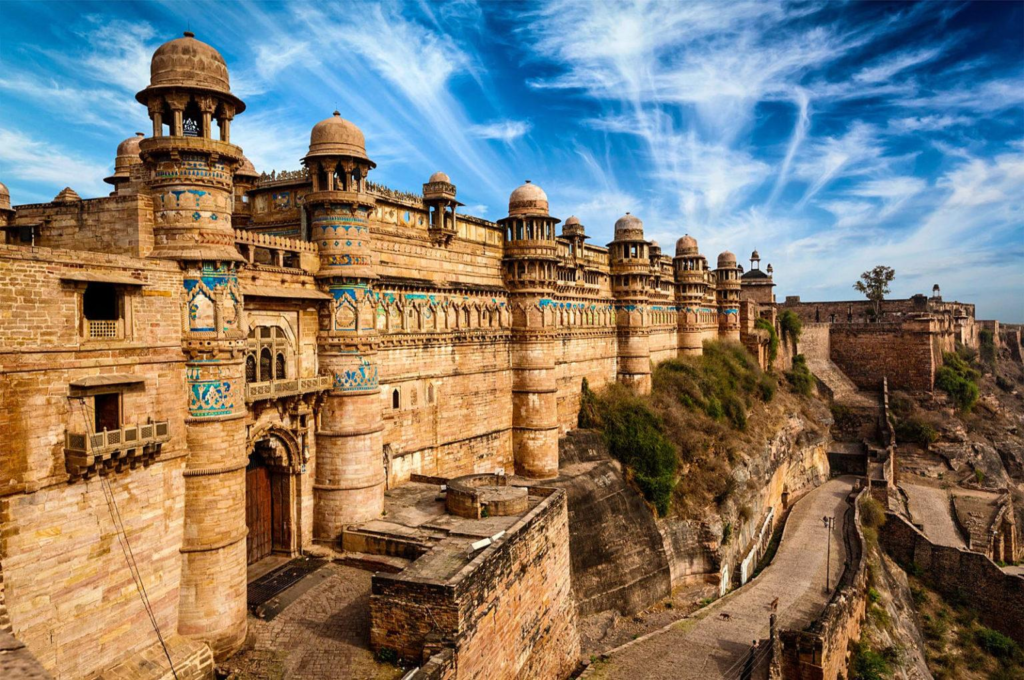
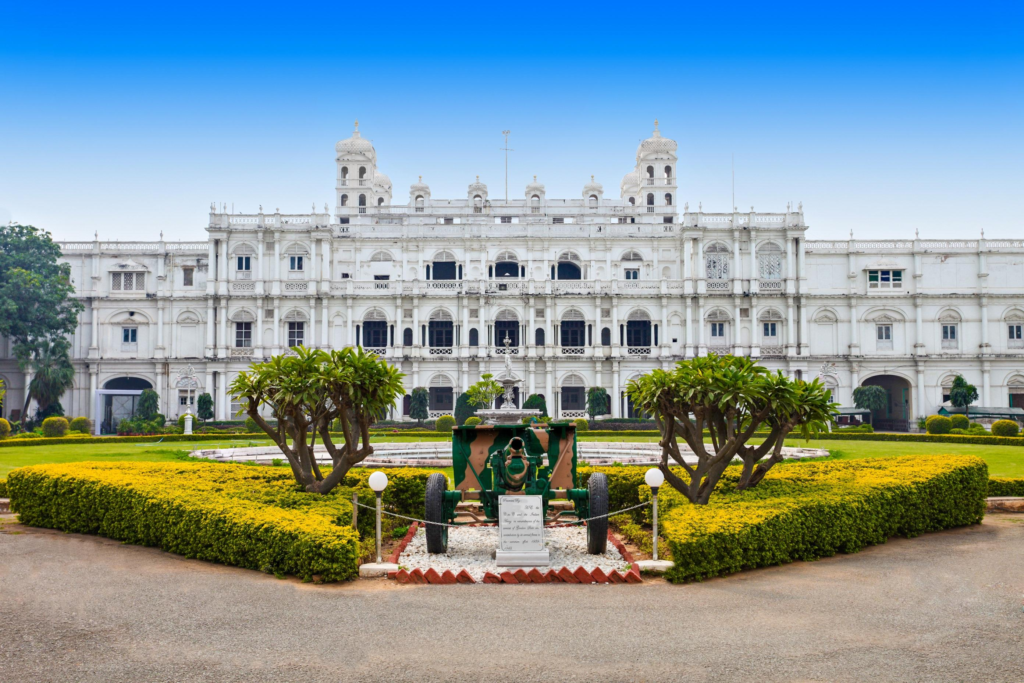
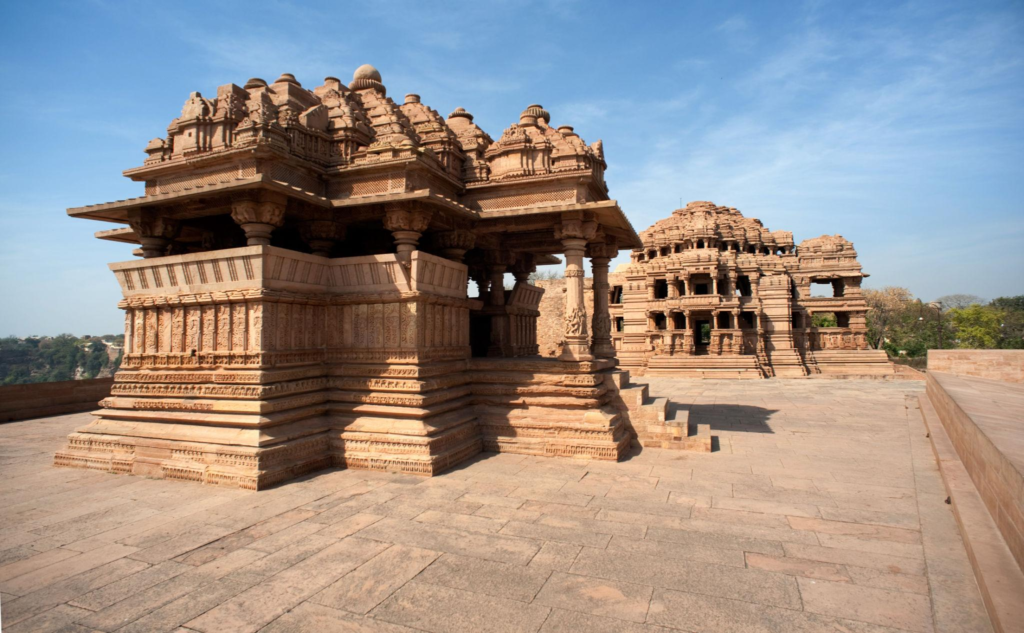
Gwalior, located in the central Indian state of Madhya Pradesh, is famous for its magnificent hilltop fort, grand palaces, historic temples, and rich musical heritage. The city attracts travelers interested in India’s medieval history, architecture, and vibrant culture. If you’re searching for Get Weed In Gwalior, it’s important to understand India’s cannabis laws before your visit. Recreational cannabis remains illegal in India, and there are no licensed recreational cannabis dispensaries or legal retail marijuana stores in Gwalior.
India has no licensed recreational cannabis dispensaries, cannabis cafés, or cannabis social clubs. Tourists cannot legally purchase recreational cannabis in Gwalior.
Quick Answer
No. You cannot legally buy recreational cannabis in Gwalior. India has no licensed recreational cannabis dispensaries, cannabis cafés, or cannabis social clubs. Recreational cannabis remains illegal under national law, although some cannabis-related products such as bhang may be legally available under specific state regulations.
Quick Facts
| Topic | Status |
|---|---|
| Recreational Cannabis (Ganja/Charas) | Illegal |
| Licensed Recreational Dispensaries | None |
| Medical Cannabis | Limited cannabis-based medicines under applicable regulations |
| CBD Products | Available only where compliant with Indian regulations |
| Bhang | May be legally regulated by certain states |
| Home Cultivation | Illegal without authorization |
| Public Consumption | Illegal |
| Driving Under the Influence | Illegal |
Can You Legally Buy Cannabis in Gwalior?
No. Recreational cannabis cannot legally be purchased anywhere in Gwalior.
- No licensed recreational cannabis dispensaries.
- No legal cannabis cafés.
- No cannabis social clubs.
- No legal retail marijuana stores.
Buying cannabis from unauthorized sellers is illegal and may expose visitors to criminal penalties, unsafe products, and personal security risks.
Understanding India’s Cannabis Laws
India’s Narcotic Drugs and Psychotropic Substances (NDPS) Act, 1985 regulates cannabis. The law prohibits the unauthorized production, possession, sale, purchase, transport, and distribution of cannabis resin (charas) and flowering or fruiting tops (ganja).
However, preparations made from cannabis leaves, commonly known as bhang, are treated differently under the NDPS Act. Some Indian states regulate and license the sale of bhang through authorized outlets. Availability and legality vary by state, and visitors should not assume that all cannabis products are legal simply because bhang may be permitted in certain jurisdictions.
Foreign visitors are subject to the same cannabis laws as Indian citizens and should comply fully with local legislation.
Medical Cannabis
India has a limited framework for certain cannabis-based medicines and Ayurvedic products that comply with national regulations. These are not equivalent to legalized recreational cannabis, and access depends on applicable medical and regulatory requirements.
Travelers carrying prescription cannabis-derived medicines should verify India’s import requirements before departure and carry all relevant medical documentation.
Can Tourists Buy Marijuana?
No. Tourists cannot legally purchase recreational cannabis in Gwalior. Visitors should avoid illegal drug markets and respect Indian law throughout their stay.
CBD Products
CBD products are available only when they comply with Indian laws and applicable regulations. Travelers should purchase such products only from legitimate, authorized sources where permitted.
Possession and Public Consumption
Unauthorized possession and public consumption of cannabis remain illegal. Depending on the quantity involved and the circumstances, offences may result in fines, imprisonment, or both under the NDPS Act.
Home Cultivation
Home cultivation of cannabis is illegal without appropriate government authorization. Unauthorized cultivation may result in criminal prosecution.
Driving and Cannabis
Driving while impaired by cannabis is illegal and dangerous. Visitors should never operate a vehicle after consuming cannabis or any other intoxicating substance.
Traveller Tips
- Do not attempt to purchase recreational cannabis.
- Avoid unauthorized sellers and illegal drug markets.
- Understand the legal distinction between bhang and cannabis products such as ganja and charas.
- Verify import requirements before travelling with prescription medicines.
- Respect Indian cannabis laws throughout your visit.
- Never drive after consuming intoxicating substances.
Common Misconceptions
- “Cannabis is legal in India.” No. Recreational cannabis remains illegal.
- “There are legal dispensaries in Gwalior.” No. India has no licensed recreational cannabis dispensaries.
- “Bhang means all cannabis products are legal.” No. Bhang is regulated differently and does not legalize ganja or charas.
Frequently Asked Questions
Can I legally buy cannabis in Gwalior?
No. Recreational cannabis cannot legally be purchased in Gwalior.
Are there recreational cannabis dispensaries?
No. India has no licensed recreational cannabis dispensaries.
Is medical cannabis legal?
India permits certain cannabis-based medicines and regulated Ayurvedic products, but this does not legalize recreational cannabis.
Can tourists buy marijuana?
No. Tourists cannot legally purchase recreational cannabis in Gwalior.
Can I legally grow cannabis at home?
No. Home cultivation is illegal without government authorization.
Conclusion
If you’re searching for Get Weed In Gwalior, the legal position is clear. Recreational cannabis remains illegal in India, there are no licensed recreational cannabis dispensaries, and tourists cannot legally purchase marijuana in Gwalior. Although some states regulate the sale of bhang and India permits certain cannabis-based medicines under limited circumstances, these exceptions do not create a legal recreational cannabis market. Visitors can instead explore Gwalior’s magnificent fort, royal palaces, temples, and cultural heritage while respecting Indian law.
References
- Government of India.
- Narcotic Drugs and Psychotropic Substances Act, 1985.
- Ministry of Health and Family Welfare, Government of India.
- International Narcotics Control Board (INCB).
- United Nations Office on Drugs and Crime (UNODC).