
Cannabis Travel Guide Düsseldorf: Laws, Cannabis Clubs & Visitor Advice
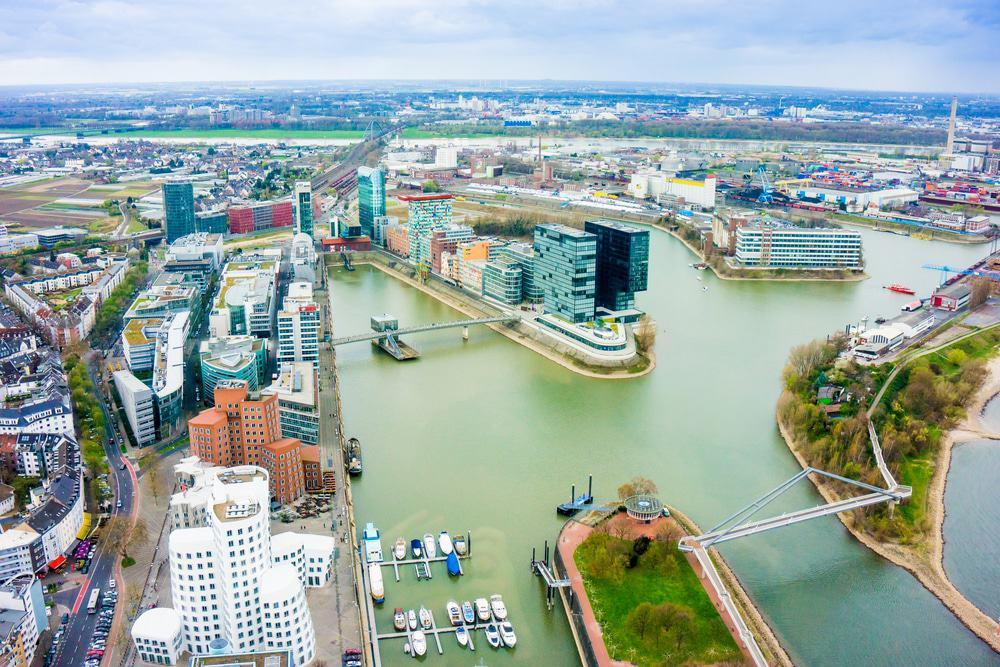
Düsseldorf, the capital of North Rhine-Westphalia, is famous for its elegant Königsallee, vibrant Altstadt, and Rhine promenade. If you’re visiting and wondering about cannabis, it’s important to understand Germany’s evolving legal framework. Since 2024, Germany has introduced significant cannabis reforms, but these changes do not create a commercial recreational retail market. This guide explains what visitors need to know about cannabis laws in Düsseldorf.
Germany allows adult possession of limited amounts of cannabis and permits cultivation under specific conditions, but there are no licensed recreational cannabis dispensaries. Cannabis is primarily accessed through regulated cultivation associations and the medical system.
Quick Answer
Adults aged 18 and over may legally possess limited quantities of cannabis under German law. However, there are no licensed recreational cannabis dispensaries in Düsseldorf. Access is primarily through regulated non-profit cultivation associations (“cannabis clubs”) for eligible members and through medical prescriptions where applicable. Tourists should not expect to legally purchase recreational cannabis during a short visit.
Quick Facts
| Topic | Status |
|---|---|
| Recreational Possession | Legal for adults within statutory limits |
| Licensed Recreational Dispensaries | None |
| Cannabis Clubs | Permitted under German law for eligible members |
| Medical Cannabis | Legal with a valid prescription |
| Home Cultivation | Permitted within legal limits |
| Public Consumption | Restricted in certain locations |
| Driving Under the Influence | Illegal |
Understanding Cannabis Laws in Düsseldorf
Düsseldorf follows Germany’s national cannabis legislation. The Cannabis Act (Cannabisgesetz) introduced a new legal framework allowing adults to possess limited amounts of cannabis, cultivate a limited number of plants at home, and obtain cannabis through licensed cultivation associations. However, the law does not authorise commercial recreational cannabis shops.
As a result, visitors should distinguish between legal possession and legal retail sales. While possession is permitted within statutory limits, buying cannabis through ordinary commercial outlets is not.
Medical Cannabis
Germany has a well-established medical cannabis programme. Patients with a valid prescription may obtain cannabis medicines through licensed pharmacies. International visitors should not assume prescriptions issued abroad will automatically be recognised, so it is advisable to check requirements before travelling.
Cannabis Clubs
Germany permits registered, non-profit cultivation associations that grow cannabis for their members under strict legal rules. These organisations are not commercial dispensaries, and membership requirements apply. Tourists visiting Düsseldorf should not assume they can join immediately or purchase cannabis as short-term visitors.

Can Tourists Buy Cannabis?
Germany has not established a commercial recreational retail market. Consequently, visitors should not expect licensed cannabis shops similar to those found in Canada or certain U.S. states. Short-term tourists generally should not expect legal access through cultivation associations.
Home Cultivation
German law permits adults to cultivate a limited number of cannabis plants for personal use, subject to legal conditions. This provision is intended for residents and offers little practical relevance for visitors staying only briefly.
Possession Rules
Adults may possess cannabis within the limits established by German law. Possessing larger quantities or supplying cannabis outside the legal framework can still lead to criminal consequences.
Public Consumption
Public cannabis consumption is restricted in specific locations, including near schools, playgrounds, and facilities frequented by children and young people. Visitors should pay attention to local restrictions and signage.
Driving and Cannabis
Driving while impaired by cannabis is prohibited. Germany also applies legal thresholds for THC in road traffic. Anyone planning to drive should avoid consuming cannabis beforehand.

Traveller Tips
- Understand that legal possession does not mean commercial sales are permitted.
- Respect public consumption restrictions.
- Do not carry cannabis across international borders.
- Never drive after consuming cannabis.
- Check official German guidance before travelling, as regulations may evolve.
Common Misconceptions
- “Germany has cannabis dispensaries.” No. There are no licensed recreational cannabis dispensaries.
- “Tourists can join cannabis clubs immediately.” Membership rules apply, and short-term visitors should not assume eligibility.
- “Cannabis can be consumed anywhere.” No. Consumption is restricted in several public locations.

Frequently Asked Questions
Is cannabis legal in Düsseldorf?
Adults may legally possess cannabis within statutory limits under German law.
Are there cannabis dispensaries?
No. Germany does not have licensed recreational cannabis dispensaries.
Can tourists buy cannabis?
Tourists should not expect legal retail sales or straightforward access through cultivation associations.
Is medical cannabis available?
Yes. Patients with a valid prescription may obtain medical cannabis through licensed pharmacies.
Can I take cannabis into Germany?
International transport of cannabis is subject to customs and drug laws. Travellers should not carry cannabis across borders without lawful authority.
Conclusion
This Cannabis Travel Guide Dusseldorf highlights Germany’s modern cannabis framework while clarifying that there is no commercial recreational retail market. Adults may legally possess limited amounts of cannabis and, in certain circumstances, cultivate it or access it through regulated cultivation associations. Visitors should nevertheless respect local restrictions, avoid cross-border transport, and stay informed through official sources.
References
- German Federal Ministry of Health.
- Cannabis Act (Cannabisgesetz).
- Federal Institute for Drugs and Medical Devices (BfArM).
- European Union Drugs Agency (EUDA).
- World Health Organization (WHO).