

Find Weed In Dijon: Cannabis Laws, Medical Access, and Travel Guide
Dijon, the historic capital of France’s Burgundy region, is famous for its medieval architecture, world-renowned mustard, exceptional cuisine, and nearby vineyards. Visitors searching for information about cannabis in Dijon should understand France’s current cannabis laws before travelling.
Although France has introduced limited reforms regarding minor possession offences and operates a tightly regulated medical cannabis programme, recreational cannabis remains illegal. There are no licensed recreational cannabis dispensaries or coffee shops where visitors can legally purchase marijuana in Dijon.
France prohibits recreational cannabis. There are no legal recreational cannabis retailers in Dijon, and unauthorized possession, sale, cultivation, and trafficking remain offences under French law.
Quick Answer: Can You Legally Find Weed in Dijon?
No. Recreational cannabis cannot be legally purchased in Dijon. France does not permit commercial recreational cannabis sales, and there are no licensed dispensaries for adult recreational use.
France has operated a limited medical cannabis programme for selected patients under medical supervision, but it does not create a legal recreational market.
Quick Facts About Cannabis Laws in Dijon
| Category | Status in Dijon, France |
|---|---|
| Recreational cannabis | Illegal |
| Licensed recreational dispensaries | None |
| Medical cannabis | Limited regulated programme for eligible patients |
| Public consumption | Illegal |
| Tourist purchases | Not permitted |
| Importing cannabis | Prohibited without legal authorization |
Understanding Cannabis Laws in Dijon
French law prohibits the recreational possession, cultivation, production, sale, and trafficking of cannabis. While enforcement for minor possession may involve fixed fines in some circumstances, recreational cannabis remains illegal.
These laws apply equally to French residents and foreign visitors.
What Visitors Should Know
Travellers should not assume that France follows the same cannabis policies as countries such as the Netherlands, Canada, or Malta. Recreational cannabis has not been legalized in France.
Medical Cannabis in France
France has implemented a tightly controlled medical cannabis programme for selected patients with specific medical conditions under specialist supervision.
The programme is intended for eligible patients and does not permit recreational cannabis sales.
Can Tourists Use Medical Cannabis?
Visitors travelling with cannabis-based prescription medicines should verify French import requirements before departure. Foreign prescriptions do not automatically authorize entry with controlled medicines.
Tourist Reality: Cannabis and Travel in Dijon
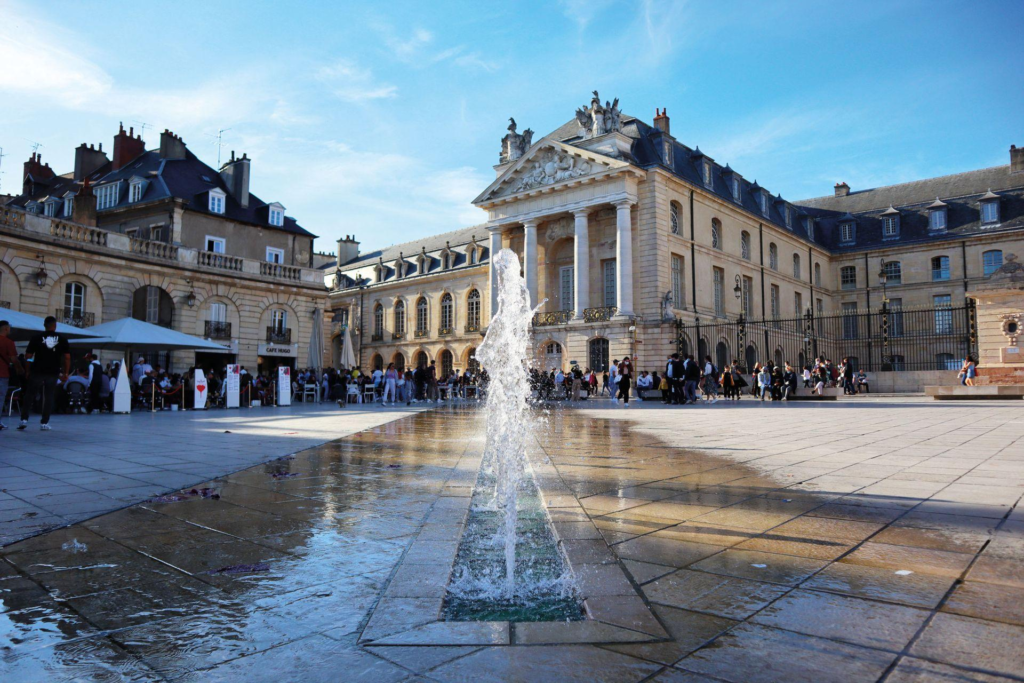
Dijon is celebrated for attractions including the Palace of the Dukes of Burgundy, the Museum of Fine Arts, the Owl Trail, historic churches, and its outstanding gastronomy. Visitors are encouraged to enjoy these cultural experiences while respecting French law.
Common Mistakes Made by Visitors
- Assuming cannabis is legal because several European countries have reformed their laws.
- Attempting to purchase cannabis through illegal street markets.
- Bringing cannabis products into France without authorization.
- Believing foreign medical cannabis prescriptions automatically apply.
- Relying on outdated travel information.
Finding Cannabis in Dijon
There are no licensed recreational cannabis dispensaries or legal retail outlets selling marijuana in Dijon.
Attempting to obtain cannabis through illegal channels may expose visitors to criminal penalties, financial scams, and products that have not been tested for quality or safety.
Public Consumption Rules
Public cannabis use is illegal. Visitors should comply with French law in parks, hotels, restaurants, transport hubs, and other public places.
Driving and Cannabis
France enforces strict drug-driving laws. Driving after consuming cannabis is illegal and may result in severe penalties, including fines, licence suspension, and criminal prosecution.
Cross-Border Cannabis Rules
Travellers should never transport cannabis across France’s international borders unless specifically authorized under applicable law. Cannabis laws vary across Europe, and legal status in one country does not apply in another.
Common Misconceptions
- “France has legalized cannabis.” Recreational cannabis remains illegal.
- “Tourists can legally buy marijuana.” There are no licensed recreational dispensaries.
- “Medical cannabis means recreational use is legal.” The medical programme is separate and tightly regulated.
- “Small amounts are always ignored.” Possession remains unlawful under French law.
Traveller Tips
- Research French cannabis laws before travelling.
- Do not attempt to purchase recreational cannabis.
- Verify import rules for prescription medicines.
- Respect local laws and public spaces.
- Consult official French government guidance for the latest legal information.
Frequently Asked Questions
Is cannabis legal in Dijon?
No. Recreational cannabis is illegal throughout France.
Can tourists legally buy cannabis in Dijon?
No. There are no licensed recreational cannabis dispensaries.
Is medical cannabis legal in France?
France operates a limited medical cannabis programme for eligible patients under medical supervision.
Can visitors smoke cannabis in public?
No. Public cannabis use is prohibited.
Can I bring prescribed cannabis medication into France?
Travellers should verify French import requirements before departure, as cannabis-based medicines are subject to strict controls.
Conclusion
If you are searching for information about finding weed in Dijon, the legal answer is that recreational cannabis cannot be legally purchased in the city. France continues to prohibit recreational marijuana, and there are no licensed dispensaries for adult-use cannabis.
Instead, visitors can enjoy Dijon’s remarkable history, Burgundy’s renowned food and wine culture, museums, and architectural landmarks while respecting French laws and regulations.
Sources & References
- Government of France.
- French Ministry of Health.
- European Union Drugs Agency (EUDA).
- United Nations Office on Drugs and Crime (UNODC).
- World Health Organization (WHO).