
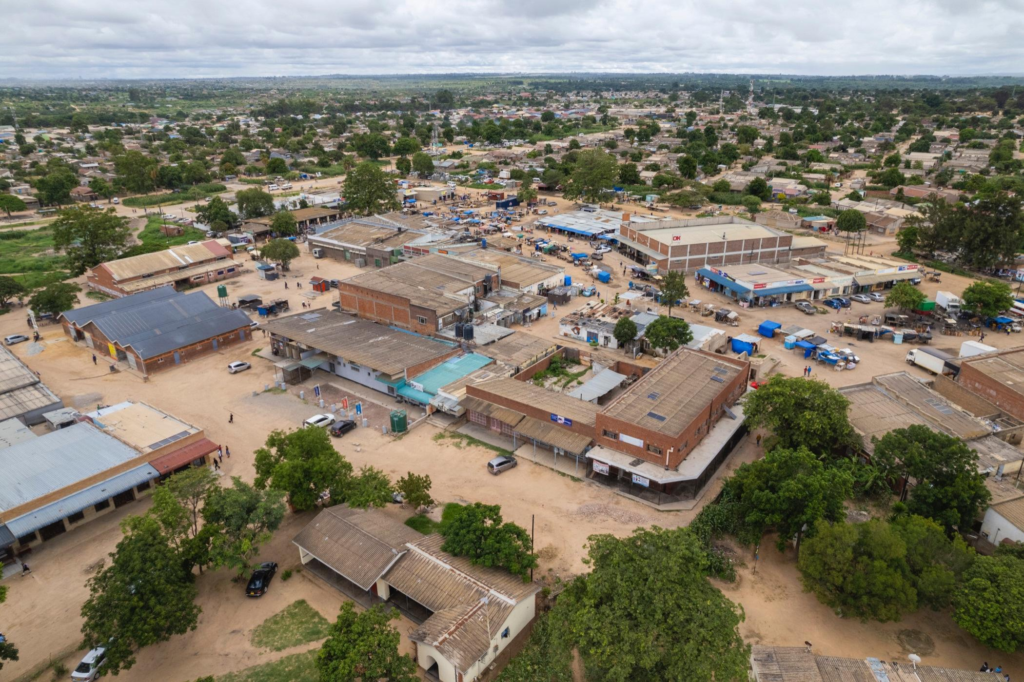
Marijuana Legal Guide Chitungwiza
Marijuana Legal Guide Chitungwiza provides an overview of the legal status of cannabis in Chitungwiza, Zimbabwe’s third-largest city. Whether you are a resident, business traveler, or tourist, understanding Zimbabwe’s cannabis laws is essential, as recreational marijuana remains illegal despite reforms allowing licensed cultivation for medical and scientific purposes.
Zimbabwe became one of the first African countries to establish a licensing system for cultivating cannabis for medicinal and scientific use. However, these reforms do not legalize recreational cannabis or permit public retail sales. Anyone visiting or living in Chitungwiza should understand the difference between licensed commercial production and unauthorized personal use.
Zimbabwe allows licensed cannabis cultivation for medical and scientific purposes, but recreational possession, use, and sale remain illegal throughout the country, including in Chitungwiza.
Quick Facts
| Category | Status |
|---|---|
| Country | Zimbabwe |
| Location | Chitungwiza, Harare Metropolitan Province |
| Recreational cannabis | Illegal |
| Licensed recreational dispensaries | None |
| Medical cannabis cultivation | Permitted under government licensing |
| Industrial hemp | Permitted under regulated licensing |
| Public possession and consumption | Illegal |
| Driving under the influence | Illegal |
Is Marijuana Legal in Chitungwiza?
No. Recreational marijuana remains illegal throughout Zimbabwe, including in Chitungwiza.
There are no licensed cannabis dispensaries or legal recreational retail outlets where marijuana can be purchased. Unauthorized possession, cultivation, sale, transportation, and use of cannabis may result in criminal penalties under Zimbabwean law.
Zimbabwe’s Cannabis Laws
Recreational Cannabis
Zimbabwe’s drug laws prohibit recreational cannabis use. Individuals who possess, cultivate, distribute, or sell cannabis without proper authorization may face investigation, prosecution, fines, or imprisonment depending on the circumstances.
The existence of licensed commercial cannabis operations should not be interpreted as permission for recreational use.
Medical and Scientific Cultivation
Zimbabwe introduced a licensing framework allowing approved businesses to cultivate cannabis for medicinal and scientific purposes. These licenses are issued by government authorities under strict regulatory conditions and are intended to support pharmaceutical research, export markets, and regulated production.
This system does not establish legal access to recreational marijuana for the general public.
Can Tourists Buy Cannabis in Chitungwiza?
No. Foreign visitors are subject to the same cannabis laws as Zimbabwean citizens.
There are no licensed recreational cannabis stores serving tourists. Attempting to obtain cannabis from unauthorized sources may expose visitors to legal consequences, scams, theft, and potentially unsafe products.
Public Possession and Consumption
Possessing or consuming cannabis in public is illegal. Law enforcement authorities may take action against suspected drug offences, and visitors are expected to comply with Zimbabwean law throughout their stay.
Driving Under the Influence
Driving while impaired by cannabis or any intoxicating substance is illegal. Cannabis impairment affects reaction time, judgment, and coordination, creating serious safety risks for drivers, passengers, and pedestrians.
Cross-Border Travel
Travelers should never transport cannabis across Zimbabwe’s international borders without lawful authorization. Even if cannabis was legally obtained elsewhere, importing it into Zimbabwe may violate customs and narcotics laws and result in serious criminal penalties.
Common Misconceptions
- Zimbabwe does not have legal recreational cannabis dispensaries.
- Licensed medical cultivation does not legalize recreational marijuana.
- Tourists cannot legally purchase recreational cannabis.
- Industrial hemp regulations do not authorize personal cannabis use.
- Public possession and consumption remain illegal.
Travel Tips for Visiting Chitungwiza
Know the Law
Before visiting Zimbabwe, familiarize yourself with national drug legislation and comply with all local regulations during your stay.
Avoid Unauthorized Purchases
Purchasing cannabis from illegal sellers exposes individuals to legal, financial, and health risks. This guide does not identify or recommend unauthorized suppliers.
Explore Chitungwiza Responsibly
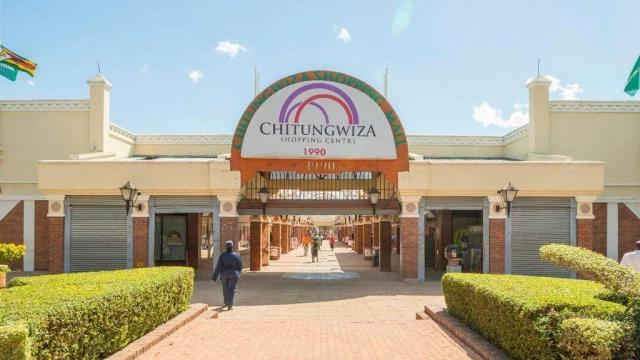
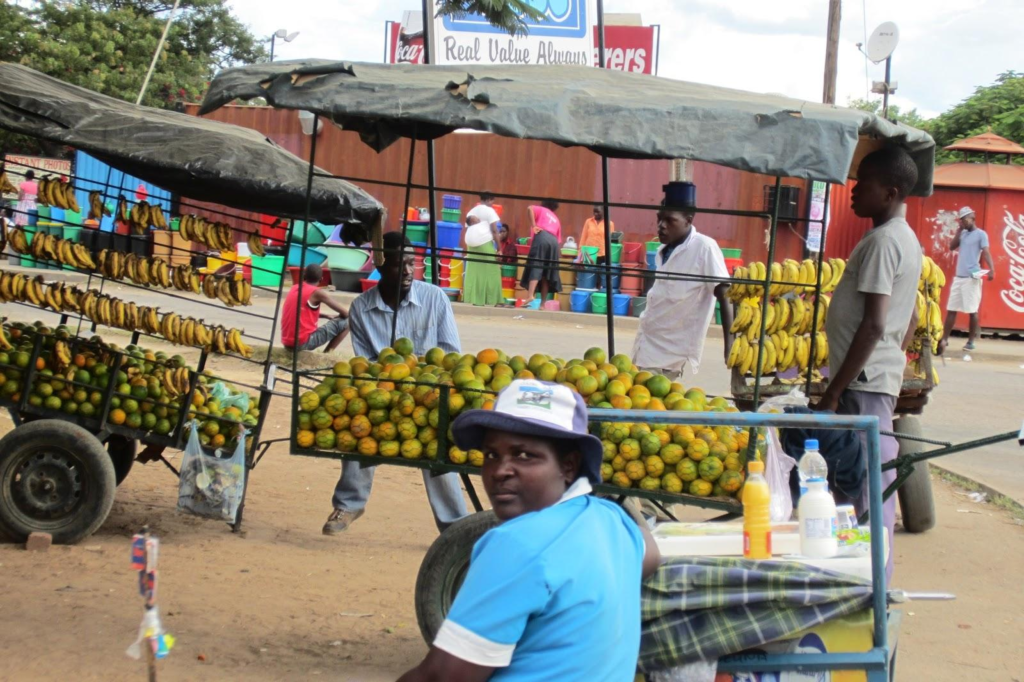
Chitungwiza is one of Zimbabwe’s largest urban centers and offers visitors insight into local culture, community life, markets, and easy access to nearby Harare. Respecting local laws helps ensure a safe and enjoyable visit.
Frequently Asked Questions
Is recreational marijuana legal in Chitungwiza?
No. Recreational cannabis remains illegal throughout Zimbabwe.
Can tourists legally buy cannabis in Chitungwiza?
No. Zimbabwe does not have a legal recreational cannabis retail market.
Does Zimbabwe allow medical cannabis?
Zimbabwe permits licensed cultivation of cannabis for medicinal and scientific purposes under strict government regulation, but this does not create public recreational access.
Can I smoke cannabis in public?
No. Public possession and consumption are illegal.
Can I bring cannabis into Zimbabwe?
No. Importing cannabis without lawful authorization may result in serious legal consequences.
Conclusion
Marijuana Legal Guide Chitungwiza explains that while Zimbabwe has established a regulated licensing system for medicinal and scientific cannabis cultivation, recreational marijuana remains illegal. There are no licensed recreational dispensaries, and unauthorized possession, cultivation, sale, or consumption may result in criminal penalties.
Residents and visitors should stay informed through official government sources, comply with Zimbabwean law, and avoid unauthorized cannabis-related activities. Respecting local regulations helps ensure a safe and enjoyable experience in Chitungwiza.
References
- Government of Zimbabwe
- Medicines Control Authority of Zimbabwe (MCAZ)
- Ministry of Health and Child Care Zimbabwe
- United Nations Office on Drugs and Crime (UNODC)
- International Narcotics Control Board (INCB)
- World Health Organization (WHO)