
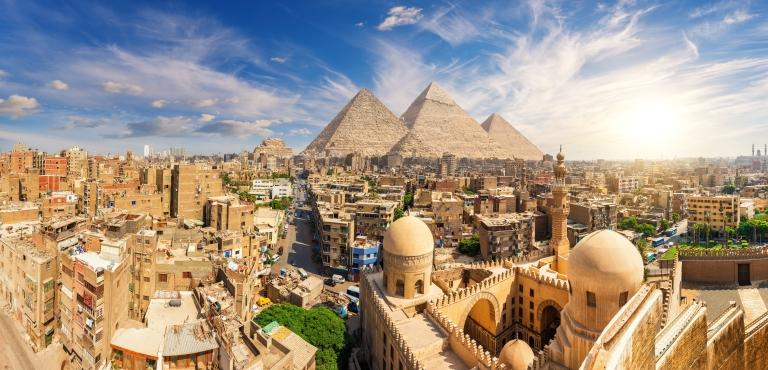
Cannabis Laws In Al Jizah: Complete Legal Guide for Residents and Visitors
Cannabis Laws In Al Jizah follow Jordan’s national drug legislation because Al Jizah is a municipality within Jordan. Recreational cannabis remains illegal throughout the country, and Jordan does not operate a general medical cannabis program. Therefore, anyone living in or visiting Al Jizah should understand the legal framework before traveling or carrying any cannabis-related products.
Jordan applies national cannabis laws throughout the country. Visitors should not assume that rules differ between Amman, Al Jizah, or other municipalities.
Introduction to Cannabis Laws In Al Jizah
Al Jizah lies south of Amman and serves as an important gateway for travelers because it is close to Queen Alia International Airport. Consequently, many visitors pass through the area shortly after arriving in Jordan. Understanding the country’s cannabis laws early in a trip can help avoid legal problems.
Quick Facts
| Topic | Status |
|---|---|
| Country | Jordan |
| Location | Al Jizah |
| Recreational Cannabis | Illegal |
| Medical Cannabis | No general legal program |
| Public Consumption | Illegal |
| Tourist Purchase | Not permitted |
| Home Cultivation | Illegal |
Cannabis Laws In Al Jizah and Jordan
Jordan prohibits recreational cannabis nationwide. The law also does not generally recognize recreational use, cultivation, or commercial sale. Moreover, authorities enforce these rules across the country, including Al Jizah. Recent reforms distinguish some first-time users from repeat offenders in certain circumstances, but cannabis possession remains a criminal matter under Jordanian law. Laws and enforcement policies can change, so travelers should always verify current regulations through official government sources before departure.
Possession
Possessing cannabis without legal authorization is illegal. Depending on the circumstances and applicable law, authorities may investigate and prosecute possession offenses.
Sale and Distribution
Authorities treat trafficking and distribution as serious criminal offenses. Accordingly, visitors should never attempt to buy, sell, transport, or distribute cannabis.
Home Cultivation
Jordan does not allow recreational home cultivation of cannabis. Growing cannabis without authorization is prohibited.
Medical Cannabis
Jordan does not currently operate a broad medical cannabis program comparable to those in some other countries. Likewise, foreign prescriptions do not automatically permit travelers to bring cannabis products into Jordan. Anyone traveling with controlled medicines should consult the relevant Jordanian authorities before departure.
Tourist Considerations
Arriving Through Queen Alia International Airport
Many international visitors enter Jordan through Queen Alia International Airport near Al Jizah. Consequently, customs inspections may occur upon arrival. Travelers should avoid carrying cannabis or cannabis-derived products unless they have confirmed that they comply with Jordanian law.
Local Culture
Jordan has conservative social norms, and drug-related activity carries significant legal and social consequences. Furthermore, respectful behavior helps visitors enjoy local hospitality while avoiding misunderstandings.
Public Consumption
Public cannabis use is illegal. Therefore, visitors should not assume that private practices in other countries apply while visiting Jordan.
Driving and Road Safety
Driving while impaired creates serious safety risks. In addition, drug-related driving offenses may result in legal consequences. Visitors should never drive after using controlled substances.
Responsible travel begins with understanding local laws before arrival rather than relying on assumptions or social media advice.
Cross-Border Travel
Jordan borders several countries with different drug laws. However, legality elsewhere does not change Jordanian law. Travelers should never transport cannabis or cannabis-derived products across international borders without confirming that they are lawful in every jurisdiction involved.
Health and Safety
Unknown Products
Products from illegal markets may contain contaminants or ingredients that differ from their labels. Consequently, they present additional health and legal risks.
Medical Emergencies
If someone experiences a medical emergency, they should seek immediate assistance from local emergency services or a licensed healthcare provider.
Travel Insurance
Some insurance policies exclude claims arising from illegal activities. Therefore, travelers should review their policy before departure.
Frequently Asked Questions
Are Cannabis Laws In Al Jizah different from the rest of Jordan?
No. National legislation applies throughout Jordan, including Al Jizah.
Can tourists legally buy cannabis in Al Jizah?
No. Recreational cannabis remains illegal in Jordan.
Is medical cannabis available?
Jordan does not have a broad public medical cannabis program.
Can I travel with cannabis prescribed abroad?
Foreign prescriptions do not automatically authorize importation. Travelers should verify requirements with Jordanian authorities before travel.
Is CBD legal?
Jordan generally treats cannabis derivatives, including CBD products, as controlled substances unless official regulations provide otherwise. Travelers should confirm current rules before carrying such products.
Can I grow cannabis at home?
No. Unauthorized home cultivation is illegal.
Can public cannabis use lead to legal action?
Yes. Public use may result in enforcement under Jordanian law.
Should tourists trust online offers for cannabis?
No. Visitors should avoid engaging with unknown individuals offering illegal substances through social media or messaging platforms.
Conclusion
Cannabis Laws In Al Jizah reflect Jordan’s national approach to controlled substances. Recreational cannabis remains illegal, and Jordan does not maintain a broad medical cannabis system. Consequently, residents and visitors should respect local legislation, avoid carrying unauthorized cannabis products, verify legal requirements before travel, and consult official government sources because laws and enforcement policies may change.