Livestock farming is one of the most important sectors of global agriculture, providing meat, milk, eggs, fiber, leather, and other essential products that support food security, rural livelihoods, and economic development. Modern livestock production combines animal husbandry, nutrition, genetics, housing, health management, and business planning to maximize productivity while maintaining animal welfare and environmental sustainability.
This Livestock Farming Guide explains how livestock production systems operate, explores the essential components of successful animal management, and provides a practical framework for planning, managing, and expanding profitable livestock farming enterprises.
Successful livestock farming combines excellent animal care with efficient resource management, sound financial planning, and sustainable production practices.
What Is Livestock Farming?
Livestock farming is the agricultural practice of raising domesticated animals for food, fiber, breeding, labor, and other agricultural products. Depending on the production system, farmers may raise cattle, sheep, goats, pigs, poultry, or other livestock species to produce meat, milk, eggs, wool, hides, or breeding stock.
Modern livestock enterprises range from small family-owned farms to highly specialized commercial operations that use advanced genetics, precision feeding systems, automated housing, and digital livestock management technologies.
Why Livestock Farming Matters
Livestock production plays a critical role in global food systems while supporting rural economies, employment, nutrient recycling, and diversified agricultural businesses. Well-managed livestock operations contribute to efficient land use and provide multiple revenue streams that strengthen farm resilience.
Benefits of livestock farming include:
Diversified farm income.
Reliable food production.
Efficient use of pasture and forage resources.
Natural nutrient recycling through manure.
Employment opportunities.
Greater business diversification.
Long-term agricultural sustainability.
Profitable livestock farming balances production efficiency, animal welfare, environmental stewardship, and long-term business management.
Major Livestock Production Systems
Production System
Primary Purpose
Beef Cattle
Commercial meat production
Dairy Farming
Milk and dairy product production
Sheep Farming
Meat, wool, and breeding enterprises
Goat Farming
Milk, meat, and fiber production
Poultry Farming
Egg and poultry meat production
Swine Production
Commercial pork production
Mixed Livestock Systems
Diversified animal enterprises
Selecting The Right Livestock Enterprise
Choosing an appropriate livestock enterprise depends on available land, climate, feed resources, labor availability, market demand, production knowledge, investment capital, and long-term business goals. Selecting the right enterprise establishes the foundation for profitable and sustainable farm development.
Selection Factor
Importance
Climate
Determines species suitability and performance
Feed Resources
Supports nutrition and production efficiency
Market Demand
Influences profitability
Available Land
Determines stocking capacity
Labor Availability
Supports daily animal management
Capital Investment
Determines startup capability
Management Experience
Improves production performance
Essential Components Of Livestock Management
Successful livestock production integrates multiple management systems that support healthy animals, efficient production, and long-term business profitability.
Animal nutrition.
Housing and shelter.
Health management.
Breeding and genetics.
Biosecurity.
Pasture and forage management.
Production recordkeeping.
Financial management.
Consistent management practices improve animal performance while reducing production risks and supporting sustainable farm growth.
Livestock Nutrition And Feeding
Nutrition is one of the most important factors influencing livestock productivity. Balanced feeding programs improve growth rates, reproductive performance, milk production, feed conversion efficiency, immune function, and overall animal health.
Balanced livestock diets generally include:
Energy sources.
Protein.
Fiber.
Essential minerals.
Vitamins.
Continuous access to clean drinking water.
Livestock Production Planning & Farm Management Framework
Successful livestock farming requires structured planning that balances animal welfare, production efficiency, financial performance, and environmental sustainability. Rather than focusing solely on increasing herd or flock size, successful livestock enterprises continuously improve nutrition, breeding, housing, health management, and business operations to achieve long-term profitability.
Step 1: Define Production Goals
Establish clear objectives for meat, milk, eggs, breeding stock, wool, or other livestock products. Business goals should align with available land, financial resources, market demand, and long-term growth plans.
Step 2: Select Suitable Livestock Breeds
Choose breeds that perform well under local environmental conditions while meeting production objectives. Factors such as growth rate, fertility, disease resistance, feed efficiency, and product quality should all influence breed selection.
Step 3: Develop A Nutrition Program
Create balanced feeding programs that provide adequate energy, protein, minerals, vitamins, fiber, and water throughout each stage of production. Nutrition directly influences animal health, productivity, and feed efficiency.
Step 4: Design Housing And Animal Facilities
Provide housing that protects livestock from adverse weather, supports animal comfort, allows efficient feeding, and facilitates routine management activities. Proper ventilation, drainage, sanitation, and stocking density are essential considerations.
Step 5: Establish Health And Biosecurity Programs
Implement preventive health management through vaccination programs, parasite control, disease monitoring, sanitation procedures, quarantine protocols, and veterinary oversight. Strong biosecurity reduces disease risks while protecting long-term productivity.
Step 6: Monitor Performance And Improve Management
Track production records, reproductive performance, feed conversion, mortality rates, financial results, and market conditions regularly. Continuous evaluation supports informed management decisions and long-term business improvement.
Profitable livestock enterprises continuously monitor animal performance, production efficiency, and financial results to improve management decisions over time.
Comparing Livestock Production Systems
Production System
Advantages
Potential Considerations
Extensive Grazing
Lower feed costs and efficient pasture utilization
Production depends on seasonal forage availability
Intensive Production
Higher productivity and production control
Higher operating and infrastructure costs
Mixed Crop-Livestock Farming
Improved resource efficiency and diversification
Requires management of multiple enterprises
Pasture-Based Systems
Supports animal welfare and forage utilization
Weather influences pasture productivity
Feedlot Systems
Efficient finishing and rapid weight gain
Higher feed and facility investment
Housing And Animal Welfare Considerations
Proper housing supports animal comfort, health, productivity, and welfare while improving operational efficiency and reducing disease risks.
Housing Element
Management Objective
Ventilation
Maintain air quality and reduce respiratory problems
Shelter
Protect animals from weather extremes
Flooring
Improve comfort and reduce injuries
Drainage
Maintain dry, sanitary conditions
Space Allocation
Reduce stress and improve welfare
Water Supply
Provide continuous access to clean water
Breeding And Genetic Improvement
Well-planned breeding programs improve productivity, fertility, disease resistance, feed efficiency, and product quality over multiple generations. Genetic improvement supports long-term business competitiveness while strengthening herd performance.
Select breeding animals with desirable production traits.
Maintain accurate breeding records.
Monitor reproductive performance.
Use appropriate breeding technologies where practical.
Avoid excessive inbreeding.
Evaluate offspring performance regularly.
Genetic improvement is a long-term investment that contributes to higher productivity and greater operational efficiency.
Managing Livestock Production Costs
Production costs should be monitored continuously to maintain business profitability. Careful cost management supports efficient resource allocation while improving financial sustainability.
Cost Category
Management Objective
Feed
Optimize feed efficiency and minimize waste
Labor
Improve workforce productivity
Veterinary Care
Prevent disease and reduce treatment costs
Housing Maintenance
Protect facilities and improve longevity
Breeding Expenses
Support genetic improvement programs
Utilities And Equipment
Improve operational efficiency
Marketing Livestock Products
Developing reliable marketing channels improves revenue stability while expanding sales opportunities across different customer segments.
Livestock auctions.
Meat processors.
Dairy processors.
Retail food businesses.
Agricultural cooperatives.
Direct farm sales.
Restaurants and hospitality businesses.
Export markets.
Agricultural Intelligence Insights
Successful livestock farming depends on balancing animal health, operational efficiency, financial performance, and sustainable resource management. While genetics and nutrition play important roles, long-term profitability is often determined by consistent management practices, accurate recordkeeping, effective disease prevention, and the ability to respond to changing market conditions.
Modern livestock enterprises increasingly rely on data-driven decision-making to improve productivity. Monitoring feed efficiency, reproductive performance, animal health, growth rates, mortality, production costs, and market prices enables producers to identify opportunities for continuous improvement while reducing operational risks.
Profitable livestock farms combine excellent animal husbandry with disciplined business management, strategic planning, and continuous performance evaluation.
Common Livestock Farming Mistakes
Selecting livestock breeds that are poorly suited to local conditions.
Providing unbalanced nutrition programs.
Ignoring preventive animal health management.
Overstocking pastures or housing facilities.
Keeping incomplete production and financial records.
Delaying veterinary treatment.
Neglecting breeding program management.
Poor manure and waste management.
Underestimating feed costs.
Failing to monitor changing market demand.
Hidden Factors That Influence Livestock Farm Success
Many of the factors affecting livestock profitability occur outside daily animal care. Feed availability, labor efficiency, biosecurity, climate conditions, infrastructure quality, transportation, and market access all influence production performance and long-term financial results.
Hidden Factor
Potential Impact
Recommended Management
Feed quality
Influences growth and production efficiency
Test feed regularly and balance rations appropriately
Water quality
Supports animal health and productivity
Maintain clean and reliable water supplies
Biosecurity
Reduces disease transmission
Implement sanitation and quarantine procedures
Labor training
Improves animal handling and operational efficiency
Provide ongoing workforce education
Infrastructure condition
Supports animal welfare and production efficiency
Maintain housing, fencing, and equipment regularly
Market access
Influences revenue opportunities
Diversify buyers and marketing channels
Strong livestock businesses manage operational risks proactively while continuously improving animal performance and business efficiency.
Practical Livestock Farming Scenarios
Scenario 1: Improving Beef Cattle Productivity
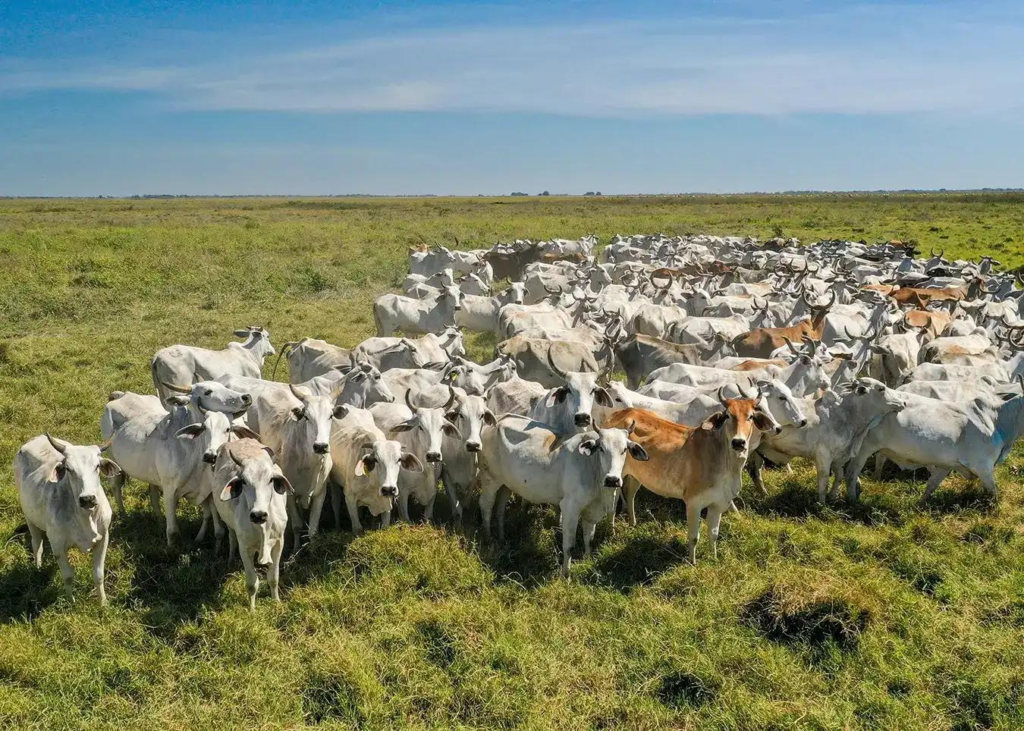
A beef producer introduces rotational grazing, improved forage management, and balanced nutrition. Better pasture utilization increases carrying capacity while supporting healthier animals and improved weight gain.
Scenario 2: Expanding A Dairy Enterprise
A dairy farm invests in improved housing, automated milking equipment, and herd management software. Enhanced animal comfort and production monitoring contribute to greater milk production and operational efficiency.
Scenario 3: Strengthening Poultry Biosecurity
A poultry producer establishes strict visitor controls, sanitation procedures, vaccination schedules, and disease monitoring protocols. Stronger biosecurity reduces disease risks and protects flock productivity.
Scenario 4: Diversifying Livestock Revenue
A mixed livestock operation combines sheep, goats, and pasture-based cattle production. Diversification spreads market risk while improving pasture utilization and creating multiple income sources throughout the year.
Livestock Farming Planning Checklist
Use this checklist when planning or expanding a livestock farming enterprise.
Define production and business objectives.
Select livestock breeds suited to local conditions.
Develop balanced nutrition programs.
Provide appropriate housing and shelter.
Maintain clean water supplies.
Implement preventive animal health programs.
Establish biosecurity procedures.
Maintain breeding and production records.
Monitor feed costs and financial performance.
Develop diversified marketing strategies.
Manage manure and environmental impacts responsibly.
Review business performance annually.
Frequently Asked Questions
What is livestock farming?
Livestock farming is the agricultural practice of raising domesticated animals for products such as meat, milk, eggs, wool, breeding stock, and other agricultural outputs.
What are the main types of livestock farming?
Major livestock enterprises include beef cattle, dairy cattle, sheep, goats, pigs, poultry, and mixed livestock production systems.
Why is nutrition important in livestock production?
Balanced nutrition supports animal growth, reproduction, immune function, milk production, feed efficiency, and overall productivity while reducing health problems.
How does biosecurity improve livestock farming?
Biosecurity reduces the risk of disease entering or spreading within livestock operations through sanitation, quarantine, vaccination, and controlled animal movement.
What factors influence livestock profitability?
Profitability depends on feed efficiency, animal health, reproductive performance, genetics, labor productivity, market prices, production costs, and effective business management.
Why are production records important?
Accurate records help farmers monitor animal performance, breeding success, health treatments, production costs, and financial performance to support informed management decisions.
How can farmers improve livestock productivity?
Productivity improves through balanced nutrition, preventive health care, genetic improvement, proper housing, effective pasture management, and continuous performance monitoring.
Can livestock farming support sustainable agriculture?
Yes. Well-managed livestock systems can improve nutrient cycling, pasture management, farm diversification, and efficient use of natural resources while supporting long-term agricultural sustainability.
Conclusion
The Livestock Farming Guide demonstrates that successful livestock production depends on combining excellent animal husbandry with sound business management. Careful planning, balanced nutrition, effective breeding programs, proper housing, preventive health care, and disciplined financial management all contribute to sustainable productivity and long-term farm profitability.
Modern livestock farming requires continuous adaptation to changing market conditions, production technologies, environmental challenges, and consumer expectations. Producers who regularly monitor animal performance, production costs, feed efficiency, and market opportunities are better positioned to improve operational efficiency while maintaining high standards of animal welfare.
No single livestock production system is suitable for every farm. Climate, available land, feed resources, labor availability, financial capacity, and market demand all influence enterprise selection and management strategies. Applying a structured livestock production planning framework helps farmers allocate resources effectively, manage risks proactively, and build resilient agricultural businesses.
Ultimately, livestock farming remains a cornerstone of global agriculture. By combining responsible animal management with efficient resource utilization, environmental stewardship, and continuous business improvement, producers can develop profitable livestock enterprises that contribute to food security, rural development, and sustainable agricultural growth.