Greenhouse farming has transformed modern agriculture by allowing crops to be produced in carefully controlled environments regardless of outdoor weather conditions. By regulating temperature, humidity, light, irrigation, and nutrient delivery, greenhouse systems help growers improve crop quality, extend growing seasons, increase production efficiency, and supply markets throughout the year.
This Greenhouse Farming Guide explains how controlled environment agriculture works, examines different greenhouse production systems, and provides a practical framework for evaluating greenhouse investments, management practices, production methods, and long-term commercial opportunities.
Successful greenhouse farming combines environmental control, efficient resource management, modern technology, and careful crop planning to maximize productivity throughout the year.
What Is Greenhouse Farming?
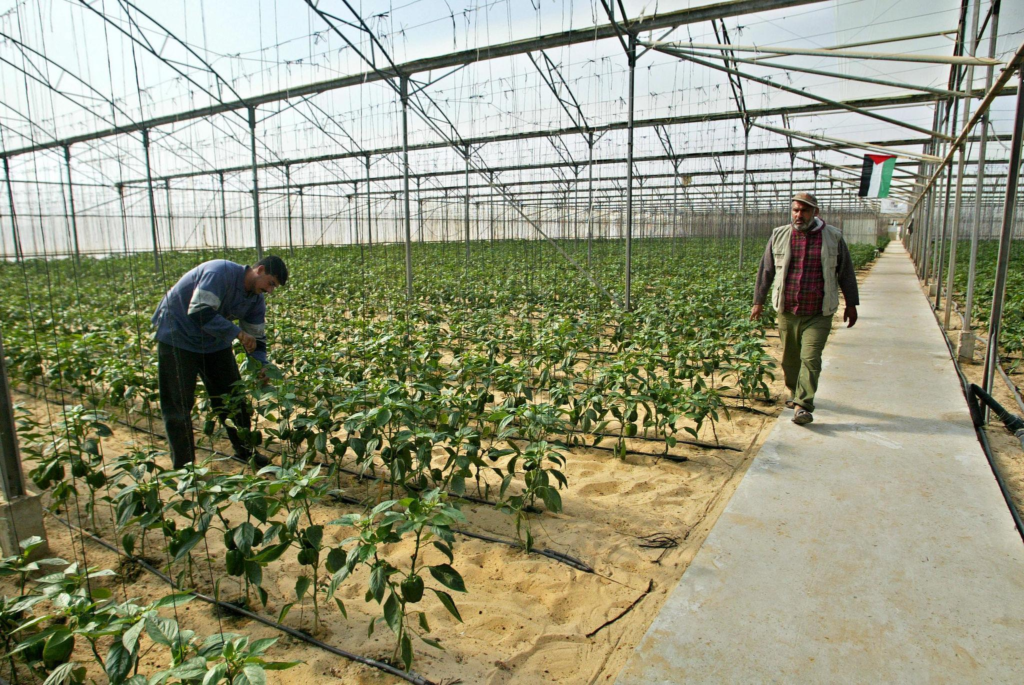
Greenhouse farming is the cultivation of crops inside enclosed structures designed to regulate growing conditions. Unlike open-field agriculture, greenhouse production allows growers to control environmental factors such as temperature, humidity, ventilation, irrigation, light exposure, and carbon dioxide levels to optimize plant growth.
Greenhouses range from simple tunnel structures used for seasonal production to highly automated commercial facilities equipped with climate control systems, precision irrigation, environmental monitoring, and computerized management technologies.
Why Greenhouse Farming Matters
Controlled environment agriculture offers producers greater flexibility by reducing dependence on seasonal weather while improving crop consistency and production efficiency. Many high-value vegetables, fruits, herbs, flowers, and nursery crops are successfully grown using greenhouse systems.
Benefits of greenhouse farming include:
Year-round crop production.
Improved crop quality.
Greater yield consistency.
Reduced weather-related production risks.
More efficient water use.
Better pest and disease management.
Higher production efficiency.
Controlled environments allow growers to optimize growing conditions while improving consistency, quality, and resource efficiency.
Types Of Greenhouse Farming Systems
Greenhouse Type
Primary Characteristics
Tunnel Greenhouse
Simple, economical seasonal production
Glass Greenhouse
Maximum light transmission for commercial production
Polycarbonate Greenhouse
Durable structure with good insulation
Plastic Film Greenhouse
Cost-effective protected cultivation
Hydroponic Greenhouse
Soilless crop production using nutrient solutions
Vertical Greenhouse
Maximizes production in limited space
Environmental Control Systems
The success of greenhouse farming depends on maintaining environmental conditions that promote healthy plant growth throughout the production cycle.
Environmental Factor
Management Objective
Temperature
Optimize plant growth and development
Humidity
Reduce disease pressure and improve plant health
Light
Support photosynthesis and crop productivity
Ventilation
Maintain air circulation and temperature balance
Irrigation
Provide consistent water supply
Carbon Dioxide
Support photosynthetic efficiency
Selecting Crops For Greenhouse Production
Crop selection depends on market demand, climate conditions, production expertise, available infrastructure, and business objectives. High-value crops often provide the greatest return on greenhouse investments.
Common greenhouse crops include:
Tomatoes.
Cucumbers.
Bell peppers.
Lettuce.
Leafy greens.
Herbs.
Strawberries.
Flowers and ornamental plants.
Essential Greenhouse Infrastructure
Commercial greenhouse operations require integrated infrastructure that supports efficient production, environmental control, and crop management throughout the growing season.
Greenhouse structure.
Heating and cooling systems.
Ventilation equipment.
Irrigation and fertigation systems.
Environmental monitoring equipment.
Growing benches or production areas.
Water storage and treatment systems.
Packing and storage facilities.
Well-designed greenhouse infrastructure improves operational efficiency while supporting consistent crop quality and reliable year-round production.
Greenhouse Farming Planning & Controlled Environment Production Framework
Successful greenhouse farming requires more than constructing a greenhouse. Long-term profitability depends on selecting suitable crops, designing efficient production systems, managing environmental conditions, controlling operating costs, and developing reliable marketing strategies. A structured planning framework helps growers optimize production while supporting sustainable business growth.
Step 1: Define Production Objectives
Identify business goals before investing. Objectives may include year-round production, supplying local markets, producing premium crops, extending growing seasons, or developing a large-scale commercial greenhouse enterprise.
Step 2: Select The Appropriate Greenhouse System
Choose a greenhouse design based on climate, available land, production scale, crop requirements, available capital, and long-term business plans.
Step 3: Design Environmental Control Systems
Install heating, cooling, ventilation, shading, irrigation, fertigation, and environmental monitoring systems capable of maintaining stable growing conditions throughout the production cycle.
Step 4: Develop A Crop Production Plan
Select crops based on market demand, expected profitability, production schedules, labor requirements, and available greenhouse capacity. Proper crop planning improves resource utilization and reduces production interruptions.
Establish standard operating procedures for irrigation, fertilization, pest monitoring, sanitation, crop monitoring, harvesting, and recordkeeping to improve production consistency.
Step 6: Monitor Performance And Improve Operations
Review crop yields, production costs, energy consumption, labor efficiency, and customer demand regularly to identify opportunities for operational improvements.
Successful greenhouse businesses continuously optimize production systems through monitoring, data analysis, and operational refinement.
Comparing Greenhouse Production Systems
Production System
Advantages
Potential Considerations
Soil-Based Production
Lower startup costs and familiar management
Greater soil-borne disease risk
Hydroponics
High productivity and efficient nutrient management
Higher equipment investment
Aeroponics
Excellent water efficiency and rapid growth
Requires advanced technical management
Aquaponics
Integrates fish production with crops
More complex biological management
Vertical Farming
Maximizes production in limited space
Higher infrastructure and energy costs
Startup Costs For Greenhouse Farming
Initial investment requirements vary depending on greenhouse size, construction materials, automation level, production systems, and climate control technologies.
Startup Expense
Purpose
Greenhouse Structure
Primary production facility
Heating And Cooling Equipment
Environmental regulation
Irrigation And Fertigation Systems
Water and nutrient delivery
Environmental Monitoring
Climate management
Growing Media And Containers
Crop establishment
Lighting Systems
Supplemental crop lighting
Packing And Storage Facilities
Post-harvest handling
Working Capital
Operating expenses during startup
Managing Greenhouse Production Costs
Operating costs should be monitored continuously to maintain profitability. Efficient resource management helps reduce expenses while supporting consistent crop quality.
Cost Category
Management Objective
Energy
Improve heating and cooling efficiency
Labor
Optimize workforce productivity
Water
Reduce waste through efficient irrigation
Fertilizers
Apply nutrients accurately
Crop Protection
Minimize pest and disease losses
Maintenance
Prevent costly equipment failures
Careful cost management improves greenhouse profitability without compromising crop quality or production efficiency.
Marketing Greenhouse Products
Commercial greenhouse businesses often benefit from diversified marketing strategies that supply multiple customer segments throughout the year.
Wholesale distributors.
Supermarkets and grocery retailers.
Restaurants and hospitality businesses.
Farmers markets.
Community-supported agriculture (CSA) programs.
Online direct-to-consumer sales.
Food processors.
Export markets.
Managing Risks In Greenhouse Farming
Although greenhouse systems reduce weather-related production risks, growers must still manage operational, biological, financial, and market challenges.
Risk
Risk Management Strategy
Equipment failure
Implement preventive maintenance programs
Power outages
Install backup power systems
Pest outbreaks
Adopt integrated pest management practices
Disease pressure
Maintain sanitation and environmental control
Energy cost increases
Improve energy efficiency and insulation
Market fluctuations
Diversify crops and marketing channels
Agricultural Intelligence Insights
Greenhouse farming has become one of the fastest-growing sectors of modern agriculture because it allows producers to manage environmental conditions with greater precision than traditional field production. While greenhouse systems require higher initial investments, they often provide greater production consistency, improved crop quality, higher resource efficiency, and expanded marketing opportunities through year-round production.
Successful greenhouse operations treat environmental management as a continuous process. Temperature, humidity, irrigation, nutrient delivery, ventilation, lighting, and crop health should be monitored regularly to maintain optimal growing conditions while minimizing production losses. Businesses that combine modern technology with disciplined operational management are generally better positioned to improve productivity and long-term profitability.
Consistent environmental control, efficient resource management, and proactive crop monitoring are the foundations of profitable greenhouse farming.
Common Greenhouse Farming Mistakes
Selecting greenhouse structures that do not suit local climate conditions.
Overlooking heating and cooling requirements.
Inadequate ventilation management.
Poor irrigation scheduling.
Applying nutrients without regular monitoring.
Ignoring sanitation and biosecurity practices.
Growing crops with limited market demand.
Underestimating energy costs.
Neglecting preventive equipment maintenance.
Failing to keep detailed production records.
Hidden Factors That Influence Greenhouse Success
Many greenhouse production challenges originate outside the growing area itself. Energy availability, labor efficiency, water quality, equipment reliability, logistics, and market access all influence commercial performance. Evaluating these factors during planning helps reduce operational risks and supports more consistent production.
Hidden Factor
Potential Impact
Recommended Management
Water quality
Influences nutrient availability and plant health
Test water regularly and treat when necessary
Energy reliability
Affects climate control systems
Install backup power and improve energy efficiency
Labor availability
Impacts production consistency
Train employees and standardize procedures
Equipment maintenance
Reduces unexpected downtime
Follow preventive maintenance schedules
Market access
Influences profitability
Diversify marketing channels and customer relationships
Crop selection
Affects revenue potential
Choose crops with stable demand and suitable production requirements
Long-term greenhouse profitability depends on managing business operations as carefully as environmental conditions.
Practical Greenhouse Farming Scenarios
Scenario 1: Producing Vegetables Throughout The Year
A commercial grower installs climate-controlled greenhouses to produce tomatoes and cucumbers continuously. Stable environmental conditions allow year-round harvesting, improving customer supply consistency and reducing seasonal production interruptions.
Scenario 2: Hydroponic Leafy Green Production
A small greenhouse business adopts hydroponic systems to grow lettuce and herbs. Automated irrigation and nutrient management improve water efficiency while producing consistent, high-quality crops for local restaurants and grocery stores.
Scenario 3: Reducing Production Costs
A greenhouse operator upgrades insulation, installs automated climate controls, and introduces energy-efficient heating systems. These improvements lower operating expenses while maintaining optimal growing conditions during colder months.
Scenario 4: Expanding Commercial Production
An established greenhouse business expands by constructing additional production bays after evaluating market demand, labor availability, financing options, and infrastructure capacity. The phased expansion supports sustainable business growth without disrupting existing operations.
Greenhouse Farming Planning Checklist
Use this checklist when planning or expanding a greenhouse farming operation.
Define production and business objectives.
Select a greenhouse system suitable for local conditions.
Evaluate startup and operating costs.
Install reliable environmental control systems.
Choose crops based on market demand.
Develop irrigation and nutrient management plans.
Implement integrated pest and disease management.
Maintain detailed production and financial records.
Monitor greenhouse performance continuously.
Schedule preventive equipment maintenance.
Diversify marketing channels where appropriate.
Review operational performance regularly.
Frequently Asked Questions
What is greenhouse farming?
Greenhouse farming is the production of crops inside controlled structures where temperature, humidity, irrigation, light, and ventilation are managed to optimize plant growth.
What are the advantages of greenhouse farming?
Advantages include year-round production, improved crop quality, higher yields, efficient water use, better pest management, and reduced weather-related production risks.
Which crops are commonly grown in greenhouses?
Common greenhouse crops include tomatoes, cucumbers, peppers, lettuce, herbs, strawberries, flowers, ornamentals, and leafy greens.
Is greenhouse farming expensive to start?
Startup costs vary depending on greenhouse size, construction materials, automation, climate control systems, and production methods. Commercial facilities generally require higher initial investments than simple seasonal structures.
How important is climate control?
Climate control is essential because stable temperature, humidity, ventilation, and lighting directly influence plant growth, crop quality, disease management, and production efficiency.
What is hydroponic greenhouse farming?
Hydroponics is a soilless production system where crops grow using nutrient-rich water solutions instead of soil, allowing precise nutrient management and efficient water use.
How can greenhouse growers improve profitability?
Profitability can improve through efficient energy management, crop selection, environmental monitoring, automation, preventive maintenance, and diversified marketing strategies.
Can greenhouse farming support commercial agriculture?
Yes. Commercial greenhouse operations supply fresh produce, flowers, herbs, and specialty crops to retailers, wholesalers, food service businesses, processors, and export markets throughout the year.
Conclusion
The Greenhouse Farming Guide demonstrates that controlled environment agriculture offers producers a practical way to improve production consistency, resource efficiency, and year-round market availability. By carefully managing environmental conditions, greenhouse operators can reduce weather-related risks while producing high-quality crops that meet changing consumer demand.
Successful greenhouse farming requires more than modern structures and equipment. Long-term profitability depends on selecting suitable crops, maintaining stable environmental conditions, managing operating costs, implementing preventive maintenance, and continuously monitoring production performance. Growers who combine sound horticultural practices with effective business management are better positioned to achieve sustainable commercial success.
No greenhouse operation is identical. Climate conditions, available capital, production objectives, crop selection, energy requirements, labor availability, and target markets all influence system design and management decisions. Applying a structured planning framework helps producers evaluate investment opportunities, improve operational efficiency, and support long-term business growth.
Ultimately, greenhouse farming represents one of the most adaptable forms of modern agriculture. As technology continues to improve environmental control, automation, and precision crop management, greenhouse businesses will remain well positioned to produce high-quality food while supporting efficient, resilient, and sustainable agricultural systems.