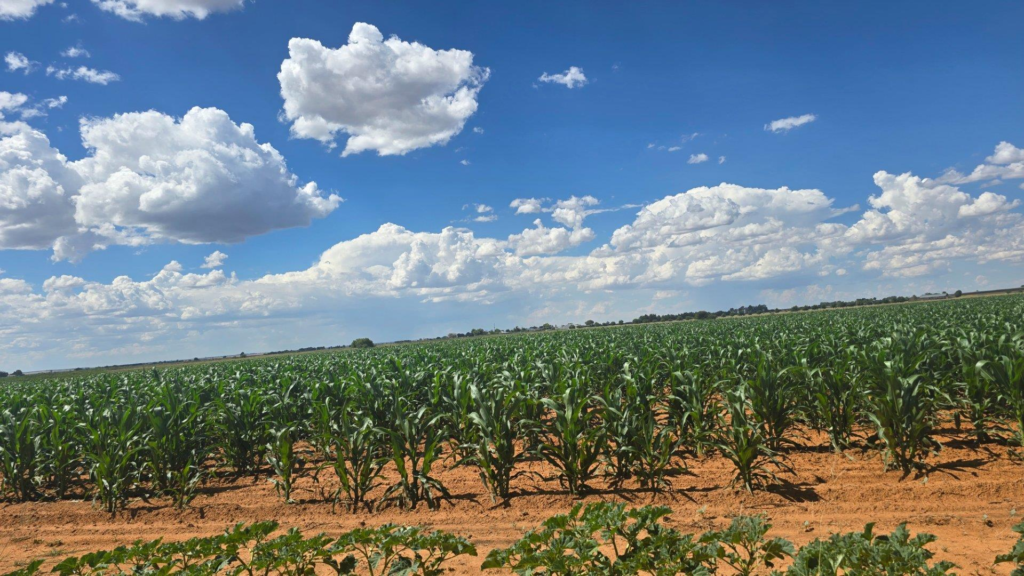
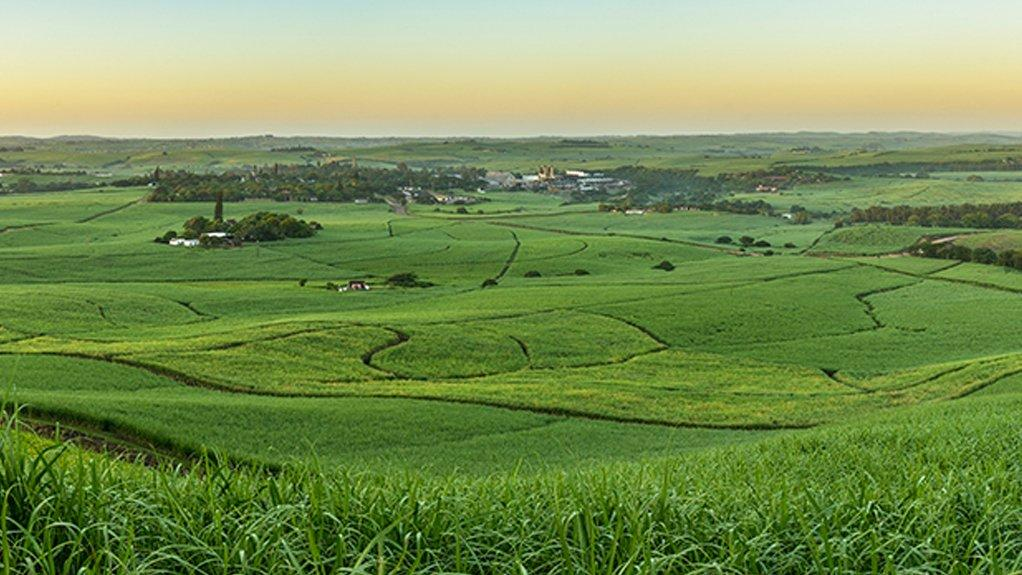
Agriculture depends on healthy soils, reliable water resources, biodiversity, and responsible farm management. As environmental challenges, changing weather patterns, and rising production costs continue to affect farming operations, sustainable farming has become an increasingly important approach for maintaining long-term productivity while protecting natural resources.
This Sustainable Farming Guide explains the principles of sustainable agriculture, compares proven farming practices, and presents a practical framework for improving environmental stewardship without sacrificing productivity. Whether operating a small family farm or a large commercial enterprise, adopting sustainable management practices can strengthen farm resilience, improve resource efficiency, and support profitable agricultural production over the long term.
Sustainable farming is not about producing less—it is about producing efficiently while protecting the natural resources that future harvests depend on.
What Is Sustainable Farming?
Sustainable farming is an agricultural management approach that balances economic viability, environmental responsibility, and social well-being. It focuses on producing crops and livestock efficiently while conserving soil, water, biodiversity, and other natural resources needed for future agricultural production.
Rather than relying on short-term production gains alone, sustainable farming emphasizes practices that maintain long-term soil fertility, reduce environmental impacts, improve resource efficiency, and strengthen farm resilience against changing conditions.
Why Sustainable Farming Matters
Modern agriculture faces numerous challenges, including soil degradation, water scarcity, climate variability, increasing production costs, and changing consumer expectations. Sustainable farming helps producers respond to these challenges by improving efficiency and reducing unnecessary resource losses.
Benefits of sustainable farming include:
Improved soil health and fertility.
Better water conservation.
Reduced soil erosion.
Greater biodiversity.
Lower input waste.
Improved long-term profitability.
Enhanced resilience to environmental stress.
Healthy natural resources provide the foundation for healthy farms, productive crops, and resilient agricultural businesses.
The Three Pillars of Sustainable Agriculture
Pillar
Primary Objective
Examples
Environmental Sustainability
Protect natural resources
Soil conservation, water management, biodiversity protection
Safe working conditions, responsible labor practices, community engagement
Core Principles of Sustainable Farming
Successful sustainable farming systems combine multiple management practices that work together to improve productivity while reducing environmental impacts.
Protect and improve soil health.
Use water efficiently.
Maintain biodiversity.
Optimize nutrient management.
Reduce unnecessary chemical inputs.
Prevent erosion.
Promote long-term ecosystem resilience.
Building Healthy Soils
Healthy soils are one of the most important resources on any farm. Sustainable soil management improves nutrient availability, increases water-holding capacity, enhances biological activity, and supports long-term crop productivity.
Common soil conservation practices include:
Cover cropping.
Crop rotation.
Reduced tillage.
Organic matter management.
Compost applications.
Erosion control measures.
Soil Management Practice
Primary Benefit
Cover Crops
Protect soil and increase organic matter
Crop Rotation
Improve soil fertility and reduce pest pressure
Conservation Tillage
Reduce soil disturbance and erosion
Organic Amendments
Increase biological activity and nutrient availability
Residue Retention
Improve moisture conservation
Water Conservation Strategies
Efficient water management is essential for sustainable agriculture, particularly in regions affected by drought or irregular rainfall. Conserving water supports crop productivity while protecting local water resources.
Effective water conservation practices include:
Efficient irrigation scheduling.
Drip irrigation systems.
Rainwater harvesting.
Soil moisture monitoring.
Mulching to reduce evaporation.
Improving soil organic matter.
Every improvement in water-use efficiency strengthens both farm productivity and environmental sustainability.
Sustainable Farming Strategy Framework
Building a sustainable farming operation requires a structured approach that balances productivity, profitability, and environmental stewardship. The following framework helps farmers evaluate current practices, identify improvement opportunities, and implement long-term strategies that strengthen farm resilience.
Step 1: Assess Current Farm Resources
Begin by evaluating the farm’s natural and operational resources, including soil quality, water availability, climate, biodiversity, infrastructure, labor, and production systems. Understanding current conditions provides the foundation for sustainable planning.
Step 2: Identify Sustainability Priorities
Determine which areas require the greatest improvement. Priorities may include reducing soil erosion, improving irrigation efficiency, increasing organic matter, enhancing biodiversity, reducing input waste, or improving energy efficiency.
Step 3: Select Appropriate Farming Practices
Choose management practices that align with production goals while protecting natural resources. Sustainable farming is most successful when multiple conservation practices work together.
Step 4: Develop an Implementation Plan
Create a practical schedule that includes equipment requirements, financial planning, employee responsibilities, and timelines for introducing new practices.
Step 5: Monitor Performance
Measure progress using soil tests, crop yields, water-use efficiency, biodiversity observations, production costs, and other performance indicators.
Step 6: Review and Improve
Sustainable farming is a continuous improvement process. Regularly review outcomes and adjust management practices as environmental conditions, technologies, and production goals evolve.
Long-term sustainability is achieved through consistent management improvements rather than isolated conservation practices.
Comparing Sustainable Farming Practices
Practice
Primary Benefit
Long-Term Impact
Crop Rotation
Improves soil fertility and interrupts pest cycles
Higher productivity and healthier soils
Cover Cropping
Protects soil and increases organic matter
Reduced erosion and improved water retention
Conservation Tillage
Minimizes soil disturbance
Improved soil structure and biological activity
Integrated Pest Management
Reduces unnecessary pesticide use
Improved environmental protection
Precision Agriculture
Optimizes resource use
Reduced input costs and greater efficiency
Agroforestry
Combines trees with agricultural production
Greater biodiversity and climate resilience
Improving Soil Health Through Sustainable Practices
Healthy soil is central to sustainable agriculture because it supports nutrient cycling, water infiltration, biological diversity, and crop productivity.
Recommended soil management practices include:
Maintaining year-round ground cover where practical.
Reducing intensive tillage.
Applying compost and other organic amendments.
Rotating crops to diversify biological activity.
Reducing soil compaction.
Monitoring soil fertility through regular testing.
Water Management for Sustainable Agriculture
Efficient water management improves productivity while protecting limited freshwater resources.
Water Management Practice
Primary Advantage
Drip Irrigation
High water-use efficiency
Rainwater Harvesting
Supplemental water supply
Mulching
Reduces evaporation
Soil Moisture Monitoring
Improves irrigation scheduling
Water Storage Systems
Improves drought preparedness
Efficient Drainage
Reduces waterlogging risks
Enhancing Biodiversity on the Farm
Biodiversity contributes to resilient farming systems by supporting pollinators, natural pest predators, healthy soils, and ecosystem stability.
Examples of biodiversity-enhancing practices include:
Maintaining field margins and buffer strips.
Protecting natural habitats.
Planting flowering species that support pollinators.
Diversifying crop rotations.
Reducing unnecessary pesticide applications.
Integrating trees where appropriate.
Diverse agricultural ecosystems are often more resilient to pests, diseases, and changing environmental conditions.
Resource Efficiency and Input Management
Efficient resource management reduces production costs while minimizing environmental impacts.
Farm Input
Sustainable Management Strategy
Water
Efficient irrigation scheduling and monitoring
Fertilizers
Soil testing and precision nutrient management
Crop Protection Products
Integrated Pest Management (IPM)
Fuel
Efficient machinery operation and maintenance
Energy
Renewable energy where practical
Labor
Training and efficient operational planning
Economic Benefits of Sustainable Farming
Although some sustainable practices require initial investment, they often improve long-term profitability by increasing resource efficiency and reducing unnecessary operating costs.
Potential economic benefits include:
Lower fertilizer and water costs.
Reduced soil degradation.
Improved long-term yields.
Lower erosion-related losses.
Greater resilience to climate variability.
Improved market opportunities for sustainably produced products.
Sustainable farming strengthens long-term profitability by protecting the natural resources that agricultural production depends upon.
Agricultural Intelligence Insights
Sustainable farming is a long-term management philosophy that integrates environmental stewardship with productive and profitable agriculture. Rather than focusing on a single conservation practice, successful sustainable farms combine multiple strategies that improve soil health, conserve water, optimize resource use, and strengthen resilience against changing environmental and economic conditions.
As agricultural systems become more complex, sustainability increasingly depends on informed decision-making supported by regular monitoring, adaptive management, and continuous improvement. Farms that invest in sustainable practices often benefit from healthier soils, improved resource efficiency, reduced production risks, and greater operational stability over time.
Sustainability is achieved through thousands of informed management decisions made consistently across every production season.
Common Sustainable Farming Mistakes
Focusing on short-term yields while neglecting long-term soil health.
Leaving fields without protective ground cover.
Ignoring soil erosion until significant damage occurs.
Applying fertilizers without soil testing.
Overusing pesticides instead of implementing Integrated Pest Management.
Failing to diversify crop rotations.
Ignoring irrigation efficiency.
Removing excessive crop residues after harvest.
Neglecting biodiversity conservation.
Failing to monitor environmental performance over time.
Hidden Factors That Influence Farm Sustainability
Many sustainability challenges develop gradually and remain unnoticed until they begin affecting productivity. Declining organic matter, reduced biological activity, increasing soil compaction, inefficient water use, and biodiversity loss often occur over many growing seasons before becoming visible through lower yields or higher production costs.
Hidden Factor
Potential Impact
Recommended Strategy
Declining organic matter
Reduced fertility and water retention
Increase residue retention and cover cropping
Loss of biodiversity
Reduced ecosystem resilience
Protect habitats and diversify production systems
Soil compaction
Restricted root development
Reduce machinery traffic and improve soil structure
Poor nutrient management
Higher input costs and nutrient losses
Use soil testing and precision nutrient management
Inefficient irrigation
Water waste and reduced productivity
Improve irrigation scheduling and monitoring
Limited long-term planning
Reduced resilience to future challenges
Review sustainability goals annually
Healthy soils, efficient water management, and biological diversity work together to create resilient farming systems capable of adapting to changing conditions.
Practical Scenarios
Scenario 1: Grain Farm Improving Soil Health
A grain producer adopts cover crops, conservation tillage, and diversified crop rotations after observing declining soil organic matter. Within several growing seasons, improved soil structure and greater water infiltration contribute to more consistent crop performance and reduced erosion.
Scenario 2: Vegetable Farm Reducing Water Consumption
A vegetable farm replaces conventional overhead irrigation with drip irrigation supported by soil moisture monitoring. Water use declines while crop quality remains consistent, demonstrating how efficient irrigation can improve both sustainability and operational performance.
Scenario 3: Mixed Livestock and Crop Operation
A mixed farming enterprise incorporates livestock manure into its nutrient management plan, rotates grazing areas, and establishes buffer strips near waterways. These integrated practices improve nutrient cycling, protect water quality, and enhance soil fertility.
Scenario 4: Orchard Increasing Biodiversity
A fruit producer establishes flowering field borders and pollinator habitats while reducing unnecessary pesticide applications through Integrated Pest Management. The operation supports beneficial insects, improves pollination, and strengthens ecological balance across the orchard.
Sustainable Farming Checklist
Review this checklist regularly to evaluate progress toward long-term sustainability goals.
Conduct routine soil testing.
Maintain year-round soil cover where practical.
Rotate crops to improve soil health and biodiversity.
Monitor irrigation efficiency and water use.
Apply nutrients according to soil and crop requirements.
Reduce unnecessary tillage.
Protect natural habitats and pollinator populations.
Implement Integrated Pest Management strategies.
Maintain accurate production and environmental records.
Review sustainability objectives annually.
Train employees on sustainable management practices.
Continuously evaluate opportunities for improvement.
Frequently Asked Questions
What is sustainable farming?
Sustainable farming is an agricultural approach that balances productive farming with responsible management of soil, water, biodiversity, and other natural resources to support long-term agricultural success.
Yes. Many sustainable practices improve soil health, nutrient efficiency, water management, and crop resilience, contributing to consistent agricultural productivity over time.
What role does crop rotation play?
Crop rotation improves soil fertility, interrupts pest and disease cycles, increases biodiversity, and supports healthier agricultural ecosystems.
How does conservation tillage support sustainability?
Conservation tillage reduces soil disturbance, minimizes erosion, improves water infiltration, and helps maintain soil organic matter.
What is Integrated Pest Management?
Integrated Pest Management combines biological, cultural, physical, and chemical control methods to manage pests efficiently while reducing unnecessary pesticide use.
How can farmers conserve water?
Water conservation strategies include efficient irrigation scheduling, drip irrigation, rainwater harvesting, soil moisture monitoring, mulching, and improving soil organic matter.
Is sustainable farming only suitable for organic farms?
No. Sustainable farming principles can be applied across conventional, organic, mixed, and regenerative agricultural systems to improve resource efficiency and long-term resilience.
Conclusion
The Sustainable Farming Guidedemonstrates that long-term agricultural success depends on balancing productivity with responsible environmental stewardship. Sustainable farming is not a single practice but a comprehensive management approach that protects soil, conserves water, supports biodiversity, improves resource efficiency, and strengthens farm resilience.
Every farming operation has unique environmental conditions, production goals, and resource limitations. Developing an effective sustainability strategy requires evaluating current practices, selecting appropriate conservation measures, monitoring performance, and adapting management decisions as conditions change. Incremental improvements made consistently over time often produce significant long-term benefits for both farm productivity and environmental health.
Modern technologies, precision agriculture, improved irrigation systems, soil monitoring, and integrated management practices provide farmers with more tools than ever to achieve sustainable production. When combined with sound agronomic principles and responsible resource management, these approaches can reduce waste, improve profitability, and enhance the resilience of agricultural businesses.
Ultimately, sustainable farming is an investment in the future. By protecting natural resources while maintaining productive farming systems, agricultural businesses can continue producing food, fiber, and other essential products while supporting healthy ecosystems and rural communities for generations to come.