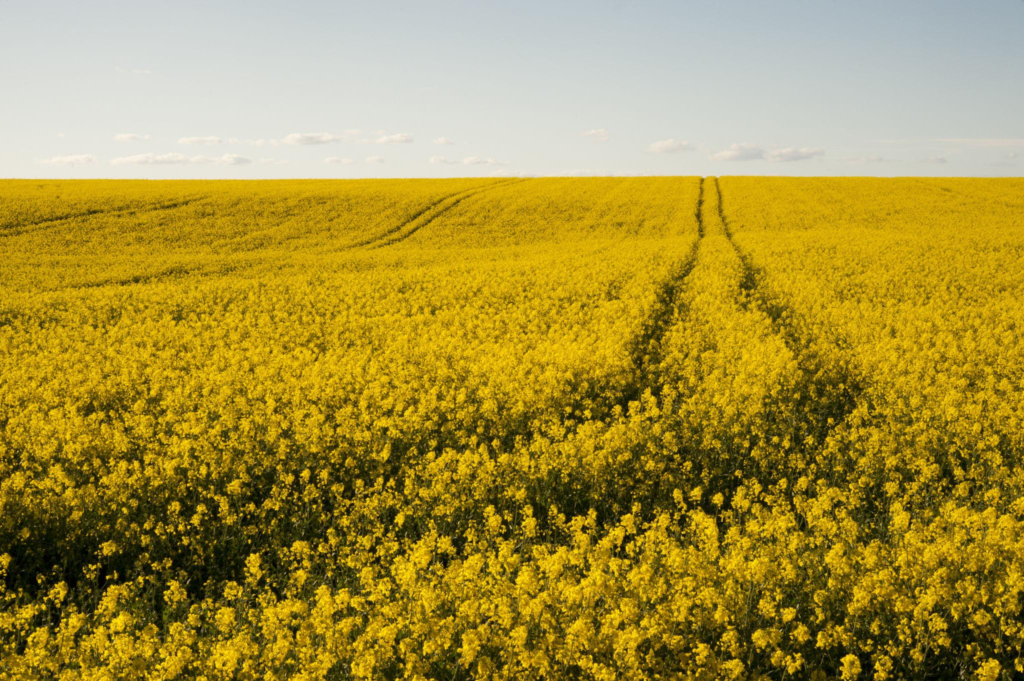
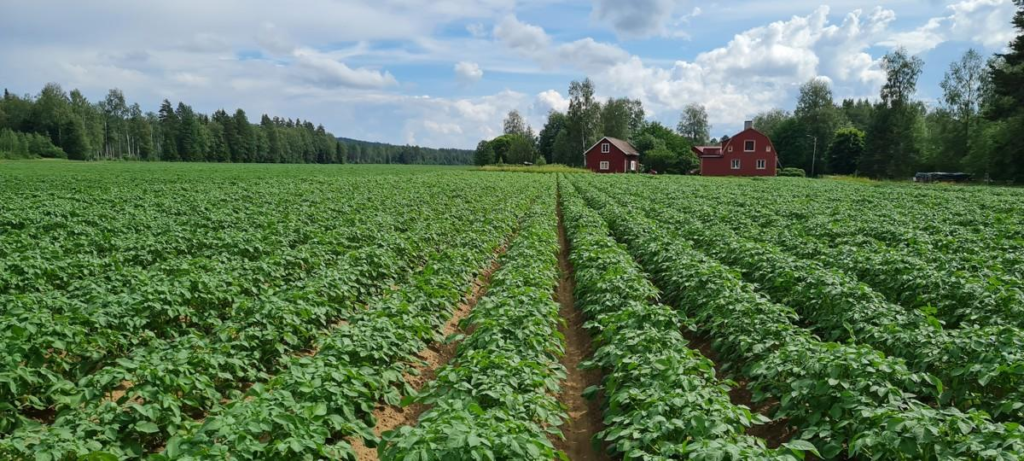
Healthy crop production begins with proper nutrition. Every crop depends on a balanced supply of essential nutrients to grow, develop, and produce high-quality yields. While fertilizers are an important source of these nutrients, successful crop nutrition involves much more than simply applying fertilizer. Soil conditions, nutrient availability, crop growth stages, environmental factors, and management practices all influence how efficiently plants absorb and utilize nutrients.
This Crop Nutrition Guide explains how plants use nutrients, the role of fertilizers in modern agriculture, and the practical strategies farmers can use to improve nutrient efficiency while supporting long-term soil health. Whether managing grain crops, vegetables, fruit orchards, or forage production, understanding crop nutrition helps producers make informed decisions that improve productivity and reduce unnecessary input costs.
Balanced crop nutrition maximizes plant health, improves yield potential, and helps ensure fertilizers are used efficiently and responsibly.
What Is Crop Nutrition?
Crop nutrition is the science and practice of supplying plants with the essential nutrients they need for healthy growth, flowering, fruit production, and overall development. Plants require a continuous supply of nutrients throughout their life cycle, and deficiencies at any stage can reduce crop performance and harvest quality.
Unlike animals, plants produce their own food through photosynthesis. However, they still depend on mineral nutrients absorbed from the soil to build plant tissues, support metabolic processes, regulate water movement, and complete reproduction.
Effective crop nutrition combines soil management, fertilizer planning, irrigation practices, and crop monitoring to maintain consistent nutrient availability throughout the growing season.
Why Crop Nutrition Matters
Proper crop nutrition influences nearly every aspect of agricultural production. Nutrient availability affects germination, root development, vegetative growth, flowering, fruit formation, grain filling, disease resistance, and overall crop quality.
Balanced nutrition also improves the efficiency of other farm investments. High-performing crop varieties, irrigation systems, pest management programs, and modern farming equipment can only deliver their full benefits when plants receive adequate nutrition.
Long-term nutrient management also supports sustainable agriculture by improving fertilizer efficiency, protecting soil fertility, and reducing nutrient losses to surrounding ecosystems.
Healthy soils and balanced nutrition work together to support productive crops, efficient fertilizer use, and sustainable farming systems.
How Plants Obtain Nutrients
Plants obtain carbon from atmospheric carbon dioxide and absorb hydrogen and oxygen primarily from water. The remaining essential nutrients are absorbed from the soil through the root system as dissolved mineral ions.
Several factors influence nutrient uptake, including:
Soil moisture availability.
Root development.
Soil temperature.
Soil pH.
Organic matter content.
Microbial activity.
Soil structure and aeration.
If any of these conditions become unfavorable, plants may struggle to absorb nutrients even when sufficient quantities are present in the soil.
The 17 Essential Plant Nutrients
Plants require seventeen essential nutrients to complete their life cycle. These nutrients are grouped according to the amounts required by the plant.
Nutrient Group
Nutrients
Primary Role
Non-Mineral Nutrients
Carbon (C), Hydrogen (H), Oxygen (O)
Form plant carbohydrates and structural compounds
Primary Macronutrients
Nitrogen (N), Phosphorus (P), Potassium (K)
Support growth, energy transfer, and plant development
Secondary Macronutrients
Calcium (Ca), Magnesium (Mg), Sulfur (S)
Support cell development, chlorophyll formation, and protein synthesis
Support enzyme activity and essential physiological processes
Understanding Primary Macronutrients
Nitrogen (N)
Nitrogen is responsible for vigorous leaf growth, chlorophyll production, and photosynthesis. It is often the nutrient required in the greatest quantity by field crops and plays a central role in determining overall plant growth.
Phosphorus (P)
Phosphorus promotes strong root development, early crop establishment, flowering, seed production, and energy transfer within plant cells. Young crops often require adequate phosphorus to establish healthy root systems.
Potassium (K)
Potassium regulates water movement, strengthens plant tissues, improves tolerance to drought and temperature stress, and contributes to disease resistance and crop quality.
Nutrient
Primary Function
Common Deficiency Symptom
Nitrogen
Leaf and stem growth
Yellowing of older leaves
Phosphorus
Root development and energy transfer
Poor root growth and delayed maturity
Potassium
Water regulation and stress tolerance
Leaf margin scorching and weak stems
Secondary Nutrients And Micronutrients
Although required in smaller amounts than nitrogen, phosphorus, and potassium, secondary nutrients and micronutrients remain essential for normal plant growth and development.
Calcium: Supports cell wall formation and healthy growing tissues.
Magnesium: Central component of chlorophyll required for photosynthesis.
Sulfur: Essential for protein synthesis and enzyme activity.
Iron: Required for chlorophyll formation and energy production.
Zinc: Supports enzyme systems and plant growth regulation.
Boron: Plays an important role in flowering, pollination, and cell development.
Copper, Manganese, Molybdenum, Chlorine, and Nickel: Support numerous biochemical and metabolic processes that contribute to healthy crop development.
Even when required in very small amounts, micronutrients are essential because a deficiency in a single nutrient can limit overall crop performance.
What Are Fertilizers?
Fertilizers are materials that supply one or more essential plant nutrients to improve crop growth and replace nutrients removed during harvest. They may be manufactured from mineral sources, derived from organic materials, or formulated to release nutrients over time.
The purpose of fertilizer is not simply to increase yields but to maintain balanced nutrient availability throughout the growing season while supporting efficient plant growth.
Fertilizer Type
Characteristics
Common Agricultural Uses
Granular Fertilizers
Dry materials broadcast or banded onto soil
Field crops and large-scale production
Liquid Fertilizers
Nutrients dissolved in solution
Precision agriculture and fertigation systems
Organic Fertilizers
Derived from plant or animal materials
Improving soil health and organic matter
Controlled-Release Fertilizers
Gradually release nutrients over time
High-value crops, horticulture, and specialty production
Crop Nutrition & Fertilizer Decision Framework
Successful crop nutrition requires more than selecting a fertilizer product. Effective nutrient management begins with understanding crop requirements, evaluating soil conditions, and choosing application strategies that maximize nutrient availability while minimizing waste and environmental impacts.
Step 1: Evaluate Soil Fertility
Begin with a comprehensive soil test to determine nutrient availability, soil pH, organic matter levels, salinity, and other factors that influence nutrient uptake. Soil analysis provides the scientific foundation for fertilizer recommendations.
Step 2: Identify Crop Nutrient Requirements
Different crops require different nutrient levels throughout their growth cycle. Consider crop species, expected yield goals, growth stage, previous cropping history, and regional recommendations when developing a nutrient management plan.
Step 3: Select the Appropriate Fertilizer
Choose fertilizer products based on soil test results, nutrient deficiencies, application equipment, crop requirements, and production objectives rather than applying generalized fertilizer programs.
Step 4: Determine the Best Application Method
Select application methods that maximize nutrient availability while reducing losses through runoff, volatilization, or leaching.
Step 5: Monitor Crop Performance
Observe plant growth, leaf color, root development, and overall crop vigor throughout the season to identify potential nutrient deficiencies or imbalances before they significantly affect yield.
Step 6: Review and Improve
Evaluate fertilizer performance after harvest using yield data, tissue analysis where available, and updated soil tests to improve future nutrient management decisions.
Effective fertilizer decisions are based on crop needs and soil conditions—not on applying more nutrients than necessary.
Comparing Fertilizer Types
Fertilizer Type
Advantages
Limitations
Best Applications
Granular Fertilizers
Easy to store and apply
May require rainfall or irrigation for activation
Broad-acre field crops
Liquid Fertilizers
Uniform application and rapid availability
Specialized equipment may be required
Precision farming and fertigation
Organic Fertilizers
Improve soil health and organic matter
Slower nutrient release
Long-term soil improvement
Controlled-Release Fertilizers
Gradual nutrient availability
Higher purchase cost
High-value crops and horticulture
The Importance of Soil Testing
Soil testing helps determine nutrient availability before fertilizer applications are made. Applying nutrients without understanding existing soil fertility may reduce efficiency, increase production costs, and contribute to environmental losses.
A comprehensive soil test commonly evaluates:
Soil pH.
Nitrogen availability.
Phosphorus levels.
Potassium levels.
Secondary nutrients.
Micronutrients.
Organic matter.
Salinity.
Cation Exchange Capacity (CEC).
Soil testing allows fertilizer programs to be based on measurable conditions rather than assumptions.
Understanding Soil pH and Nutrient Availability
Soil pH strongly influences nutrient availability. Even when nutrients are present in the soil, they may not be readily available to plants if pH conditions fall outside the preferred range for a particular crop.
Soil Condition
Potential Effect
Low pH (Acidic)
Reduced availability of phosphorus and possible aluminum toxicity
Neutral pH
Generally favorable nutrient availability for many crops
High pH (Alkaline)
Reduced availability of iron, zinc, and other micronutrients
Methods of Fertilizer Application
Different application methods influence nutrient efficiency, crop uptake, labor requirements, and production costs.
Application Method
Description
Common Uses
Broadcast Application
Uniform distribution across the field
Large-scale field crop production
Band Placement
Localized placement near crop rows
Improved early nutrient availability
Side-Dressing
Nutrients applied beside growing crops
Supplemental nitrogen applications
Fertigation
Nutrients delivered through irrigation systems
Precision nutrient management
Foliar Feeding
Nutrients sprayed directly onto leaves
Correcting selected nutrient deficiencies
The Four Principles of Responsible Nutrient Management
Many nutrient management programs are based on applying fertilizers according to four key principles that improve efficiency while reducing environmental impacts.
Right Source: Select fertilizers that match crop nutrient requirements.
Right Rate: Apply appropriate nutrient quantities based on soil testing and yield goals.
Right Time: Apply nutrients when crops can use them most effectively.
Right Place: Position nutrients where crop roots can access them efficiently.
Matching fertilizer applications to crop demand improves productivity while reducing nutrient losses to the surrounding environment.
Recognizing Nutrient Deficiency Symptoms
Nutrient
Common Symptoms
Potential Effect on Crop
Nitrogen
Yellowing of older leaves
Reduced vegetative growth
Phosphorus
Dark green or purplish foliage
Poor root development and delayed maturity
Potassium
Leaf margin scorching
Reduced stress tolerance
Magnesium
Interveinal chlorosis
Reduced photosynthesis
Iron
Yellowing of young leaves
Reduced chlorophyll formation
Boron
Poor flowering and growing point damage
Reduced reproductive development
Comparing Balanced and Unbalanced Crop Nutrition
Characteristic
Balanced Nutrition
Unbalanced Nutrition
Plant growth
Uniform and vigorous
Uneven or stunted
Root development
Well developed
Restricted growth
Disease tolerance
Generally improved
Often reduced
Nutrient efficiency
High
Lower utilization
Yield potential
Closer to genetic potential
Often reduced
Input efficiency
Improved return on fertilizer investment
Higher risk of wasted inputs
Agricultural Intelligence Insights
Crop nutrition is one of the most influential factors affecting agricultural productivity, yet it is often misunderstood. Applying more fertilizer does not necessarily produce higher yields. Instead, successful nutrient management depends on supplying the right nutrients, in appropriate amounts, at the correct growth stages, while considering soil conditions and environmental factors.
Modern crop nutrition combines soil science, plant physiology, and precision management to maximize nutrient-use efficiency. Farmers who regularly evaluate soil fertility, monitor crop development, and adjust fertilizer programs based on field conditions are generally better positioned to improve yields while controlling production costs.
Fertilizers provide nutrients, but healthy soils determine how efficiently crops can access and use those nutrients throughout the growing season.
Common Crop Nutrition Mistakes
Applying fertilizer without conducting soil tests.
Using the same fertilizer program every season regardless of crop needs.
Ignoring soil pH and its effect on nutrient availability.
Applying excessive nitrogen in hopes of increasing yields.
Neglecting secondary nutrients and micronutrients.
Applying fertilizers at inappropriate growth stages.
Poor calibration of fertilizer application equipment.
Ignoring nutrient losses caused by runoff, leaching, or volatilization.
Failing to monitor crop nutrient deficiencies during the season.
Overlooking the role of soil organic matter in nutrient cycling.
Hidden Factors That Influence Nutrient Efficiency
Several environmental and soil-related factors affect how efficiently plants absorb nutrients. Two fields receiving identical fertilizer applications may produce different results because nutrient availability depends on much more than fertilizer rates alone.
Factor
Potential Impact
Recommended Management
Low soil pH
Reduced phosphorus availability and micronutrient imbalance
Monitor pH and apply amendments where appropriate
Poor drainage
Restricted root growth and nutrient uptake
Improve drainage and avoid prolonged waterlogging
Low organic matter
Reduced nutrient retention and biological activity
Increase organic matter through cover crops and organic amendments
Compacted soil
Limited root development
Reduce compaction through appropriate field management
Drought conditions
Reduced nutrient movement to plant roots
Improve irrigation efficiency and conserve soil moisture
Heavy rainfall
Nutrient leaching and runoff losses
Time fertilizer applications carefully and protect soil cover
Balanced crop nutrition depends on the interaction between healthy soil, efficient fertilizer management, favorable environmental conditions, and active root systems.
A corn producer uses soil test results and expected yield goals to develop a split nitrogen application program. Rather than applying all nitrogen before planting, applications are divided between planting and key growth stages to improve nutrient availability and reduce losses during heavy rainfall.
Leaf tissue analysis identifies a zinc deficiency affecting vegetable growth. Instead of increasing all fertilizer applications, the producer applies targeted micronutrient treatments while monitoring crop response throughout the season.
Scenario 3: Orchard Improving Soil Fertility
A fruit orchard combines annual soil testing, compost applications, mulch management, and balanced fertilizer programs to maintain soil organic matter and consistent nutrient availability. The integrated approach supports healthier trees and improved fruit quality over multiple growing seasons.
Using yield maps and soil sampling, a grain producer identifies variability across individual fields. Variable-rate fertilizer applications allow nutrients to be applied according to field-specific requirements, improving fertilizer efficiency while reducing unnecessary applications.
Crop Nutrition Planning Checklist
Use this checklist throughout the production season to support effective nutrient management.
Conduct soil testing before developing fertilizer programs.
Review crop nutrient requirements for each production cycle.
Select fertilizer products based on measured deficiencies.
Monitor soil pH regularly.
Apply nutrients at appropriate crop growth stages.
Inspect crops routinely for nutrient deficiency symptoms.
Calibrate fertilizer application equipment before use.
Reduce nutrient losses by managing irrigation and erosion.
Maintain soil organic matter through sustainable practices.
Keep records of fertilizer applications and crop performance.
Review nutrient management plans after harvest.
Adjust future fertilizer strategies using soil and yield data.
Frequently Asked Questions
What is crop nutrition?
Crop nutrition is the management of essential plant nutrients required for healthy growth, development, flowering, and crop production through proper soil fertility and fertilizer management.
Why is soil testing important before applying fertilizer?
Soil testing identifies existing nutrient levels, soil pH, and other fertility factors, allowing fertilizer applications to be based on measured crop requirements rather than assumptions.
What are the primary plant nutrients?
The primary macronutrients are nitrogen (N), phosphorus (P), and potassium (K). These nutrients are required in the largest quantities for healthy crop growth.
Can applying more fertilizer always increase yields?
No. Excessive fertilizer applications may reduce nutrient-use efficiency, increase production costs, and contribute to environmental losses without improving crop performance.
Why is soil pH important?
Soil pH affects nutrient availability. Even when nutrients are present, plants may not absorb them efficiently if soil pH falls outside the preferred range for the crop.
What are micronutrients?
Micronutrients are essential nutrients required in small quantities, including iron, zinc, boron, copper, manganese, molybdenum, chlorine, and nickel. They support enzyme activity and normal plant development.
What is the difference between organic and synthetic fertilizers?
Organic fertilizers are derived from plant or animal materials and often contribute organic matter to the soil, while synthetic fertilizers provide nutrients in manufactured forms that are typically more concentrated and immediately available.
How often should fertilizer programs be reviewed?
Fertilizer programs should be evaluated each growing season using updated soil tests, crop performance, yield data, and field observations to improve future nutrient management decisions.
Conclusion
The Crop Nutrition Guide demonstrates that successful nutrient management depends on understanding both crop requirements and soil conditions. Fertilizers play an important role in modern agriculture, but their effectiveness is greatest when applications are guided by soil testing, balanced nutrient management, appropriate timing, and continuous crop monitoring.
Healthy crop production requires more than supplying nitrogen, phosphorus, and potassium. Secondary nutrients, micronutrients, soil pH, organic matter, moisture availability, and biological activity all influence how efficiently plants absorb and utilize nutrients throughout the growing season.
Every farming operation has unique soil characteristics, crop requirements, and environmental conditions. Developing a structured crop nutrition plan that is regularly reviewed and updated allows producers to improve fertilizer efficiency, optimize crop performance, reduce unnecessary input costs, and support long-term soil sustainability.
Ultimately, informed nutrient management is an investment in both current productivity and future agricultural success. Farms that combine scientific soil assessment with responsible fertilizer practices are better positioned to achieve consistent yields, protect natural resources, and maintain sustainable crop production for years to come.