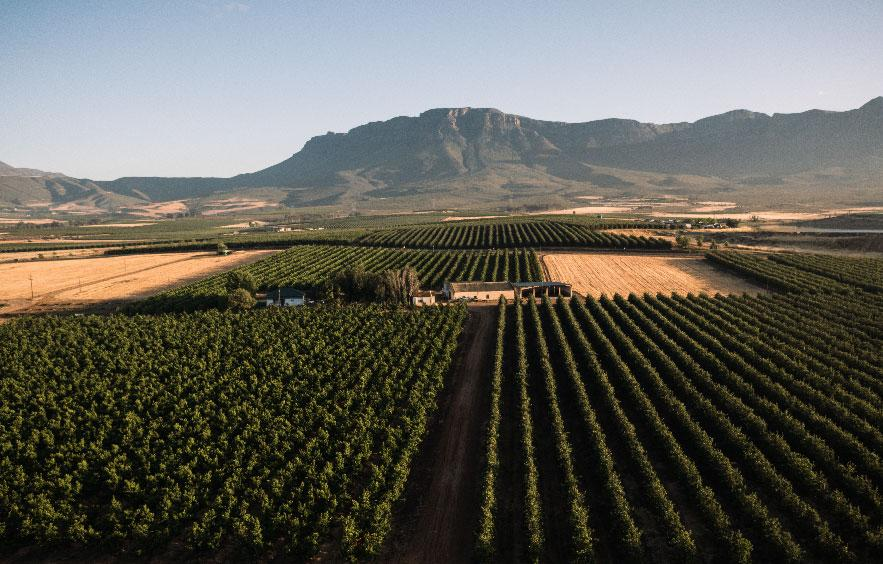
The Soil Health Guide provides a comprehensive overview of the principles, practices, and management strategies required to build and maintain fertile, productive soils. Healthy soil is the foundation of sustainable agriculture, supporting crop growth, improving water management, enhancing nutrient cycling, and increasing resilience against environmental stresses.
Modern agriculture depends on more than fertilizer applications to achieve consistent yields. Long-term productivity requires maintaining soil structure, preserving organic matter, encouraging beneficial soil organisms, and managing nutrients responsibly. This guide explains how farmers can evaluate soil health, recognize signs of degradation, and implement practical strategies that improve both productivity and environmental sustainability.
Healthy soil is a living resource that supports profitable farming today while protecting agricultural productivity for future generations.
Improving soil health is an ongoing management process that combines scientific knowledge with practical field experience.
Direct Answer
Healthy soil is built by improving soil structure, increasing organic matter, maintaining balanced nutrient levels, encouraging biological activity, reducing erosion, managing water efficiently, and monitoring soil conditions through regular testing. A structured soil health management plan helps farmers improve crop performance while protecting long-term agricultural productivity.
Understanding Soil Health
What Is Soil Health?
Soil health refers to the soil’s ability to function as a living ecosystem that supports plant growth, regulates water movement, cycles nutrients, sustains diverse biological communities, and resists degradation. Unlike soil fertility alone, soil health considers the interaction between physical, chemical, and biological properties that influence long-term agricultural performance.
A healthy soil provides an environment where plant roots, microorganisms, insects, fungi, and other organisms work together to create a productive and resilient growing system.
Why Soil Health Matters
Healthy soils improve agricultural productivity by increasing nutrient availability, enhancing water infiltration, strengthening root development, and supporting beneficial microbial activity. They also reduce erosion, improve drought resilience, lower production costs over time, and contribute to environmental conservation.
Every successful farming system begins with healthy soil because soil quality influences nearly every aspect of crop production.
The Three Pillars of Soil Health
Component
Primary Function
Importance to Agriculture
Common Indicators
Physical Health
Supports root growth and water movement
Improves crop establishment and resilience
Stable aggregates, low compaction, good drainage
Chemical Health
Provides balanced nutrient availability
Supports efficient plant nutrition
Proper pH, balanced fertility, low salinity
Biological Health
Maintains living soil ecosystems
Improves nutrient cycling and disease suppression
Earthworms, microbial activity, organic matter
Understanding Soil Structure
Soil structure describes the arrangement of soil particles into stable aggregates. Well-structured soils contain pores that allow roots, water, and oxygen to move freely, creating favorable growing conditions.
Poor soil structure often results from excessive tillage, compaction, erosion, or low organic matter, reducing crop productivity and increasing runoff.
Characteristics of Healthy Soil Structure
Stable soil aggregates.
Good water infiltration.
Adequate pore space for oxygen exchange.
Minimal surface crusting.
Deep and unrestricted root growth.
Low susceptibility to erosion.
Soil Texture vs. Soil Structure
Although closely related, soil texture and soil structure represent different soil characteristics that influence agricultural performance.
Property
Soil Texture
Soil Structure
Definition
Proportion of sand, silt, and clay particles
Arrangement of particles into aggregates
Natural or Managed?
Largely determined by parent material
Can be improved through management
Main Influence
Drainage and water retention
Root growth, aeration, and stability
Management Options
Limited modification
Organic matter, cover crops, reduced tillage
Organic Matter: The Engine of Soil Health
Organic matter consists of decomposed plant and animal materials that improve soil fertility, water-holding capacity, nutrient cycling, and biological activity. It is one of the most important indicators of healthy agricultural soils.
Organic matter fuels the biological processes that keep agricultural soils productive and resilient over time.
Essential Plant Nutrients
Healthy soils supply plants with the nutrients required for growth, development, flowering, and crop production. Nutrient availability depends on soil chemistry, biological activity, moisture, pH, and effective management practices.
Nutrient
Primary Role
Typical Deficiency Symptoms
Nitrogen (N)
Leaf and vegetative growth
Pale or yellow leaves and slow growth
Phosphorus (P)
Root development and energy transfer
Weak roots and delayed maturity
Potassium (K)
Water regulation and stress tolerance
Leaf edge scorching and weak stems
Calcium (Ca)
Cell wall strength
Poor tissue development and deformities
Magnesium (Mg)
Chlorophyll production
Interveinal chlorosis on older leaves
Sulfur (S)
Protein synthesis
Yellowing of younger leaves
Signs of Healthy and Unhealthy Soil
Farmers can often identify soil health conditions through regular field observations before laboratory testing is conducted.
Observation
Healthy Soil
Poor Soil Condition
Color
Dark due to organic matter
Pale or gray with low organic matter
Water infiltration
Rapid with minimal runoff
Slow with standing water
Root growth
Deep and extensive
Restricted by compaction
Earthworm activity
Frequently observed
Limited or absent
Surface condition
Protected by residues or vegetation
Crusted or easily eroded
Recognizing these indicators provides an excellent starting point for evaluating soil health and developing effective management strategies.
Soil Health Assessment & Management Framework
Improving soil health begins with understanding existing soil conditions before selecting management practices. A structured assessment helps farmers identify limitations, prioritize improvements, and monitor long-term progress. The following framework provides a practical approach for evaluating and managing soil health across different agricultural systems.
Step 1: Assess Current Soil Conditions
Begin by observing visible field conditions, including soil color, structure, compaction, erosion, crop performance, drainage, and biological activity. Visual observations often identify problems that require further investigation.
Step 2: Perform Comprehensive Soil Testing
Laboratory soil analysis provides valuable information about nutrient availability, soil pH, organic matter content, salinity, and other chemical properties. Regular testing supports accurate fertilizer recommendations and sustainable nutrient management.
Step 3: Identify Limiting Factors
Determine which physical, chemical, or biological conditions are restricting crop performance. Common limitations include compaction, nutrient imbalances, erosion, poor drainage, low organic matter, or unfavorable soil pH.
Step 4: Develop a Soil Improvement Strategy
Select management practices that directly address identified limitations while improving long-term soil resilience and productivity.
Step 5: Monitor Soil Health Progress
Track improvements through repeat soil testing, crop performance, infiltration rates, organic matter measurements, and biological indicators over multiple growing seasons.
Step 6: Continuously Improve Management Practices
Review results annually and adjust management strategies as production goals, environmental conditions, and soil characteristics change.
Building healthy soil is a long-term investment that rewards consistent management rather than short-term corrective measures.
The Importance of Soil Testing
Soil testing provides the scientific foundation for effective fertility management. Rather than applying fertilizers based on assumptions, laboratory analysis identifies the nutrients available to crops and highlights deficiencies or imbalances.
A comprehensive soil test commonly measures:
Soil pH.
Organic matter content.
Nitrogen availability.
Phosphorus levels.
Potassium levels.
Calcium and magnesium.
Sulfur.
Micronutrients.
Salinity and electrical conductivity.
Cation Exchange Capacity (CEC).
Routine soil testing improves fertilizer efficiency, reduces unnecessary input costs, and minimizes environmental impacts associated with excessive nutrient applications.
Base fertilizer applications on current soil test results.
Maintain balanced macro- and micronutrient levels.
Apply nutrients at appropriate growth stages.
Reduce nutrient losses through proper placement and timing.
Incorporate organic nutrient sources where practical.
Monitor crop nutrient status throughout the growing season.
Efficient nutrient management supports higher yields while reducing production costs and protecting surrounding ecosystems.
Increasing Soil Organic Matter
Organic matter is central to sustainable soil management because it improves nearly every aspect of soil function. Increasing organic matter enhances soil structure, nutrient retention, microbial diversity, and water-holding capacity.
Practical methods include:
Growing cover crops.
Returning crop residues after harvest.
Applying compost.
Using properly managed animal manure.
Reducing excessive tillage.
Diversifying crop rotations.
These practices gradually improve soil quality while increasing resilience against drought, erosion, and nutrient losses.
Reducing Soil Compaction
Compacted soils restrict root growth, reduce oxygen availability, decrease infiltration, and limit crop development. Preventing compaction is generally more effective than attempting to correct severe compaction after it develops.
Recommended practices include:
Avoid field operations when soils are excessively wet.
Reduce unnecessary machinery traffic.
Implement controlled traffic farming where practical.
Maintain healthy organic matter levels.
Use deep-rooted cover crops to improve soil structure.
Managing Soil Water
Water management strongly influences soil biological activity, nutrient availability, and overall crop performance. Both excessive moisture and prolonged drought reduce soil health.
Management Practice
Primary Benefit
Efficient irrigation scheduling
Improves water-use efficiency
Drainage improvement
Reduces waterlogging
Mulching
Conserves soil moisture
Cover cropping
Improves infiltration and reduces evaporation
Contour farming
Reduces runoff and erosion
Residue retention
Protects soil surface and conserves moisture
Comparing Healthy and Degraded Soils
Soil Characteristic
Healthy Soil
Degraded Soil
Organic matter
High
Low
Water infiltration
Rapid and consistent
Slow with surface runoff
Biological activity
Abundant microorganisms and earthworms
Limited biological diversity
Root development
Deep and unrestricted
Restricted by compaction
Erosion resistance
High
Poor
Nutrient cycling
Efficient
Reduced efficiency
Sustainable Soil Management Practices
Long-term soil improvement depends on combining multiple conservation practices rather than relying on individual solutions.
Management Practice
Primary Objective
Long-Term Benefit
Crop rotation
Increase biological diversity
Healthier soils and reduced pest pressure
Cover crops
Protect bare soil
Higher organic matter and reduced erosion
Conservation tillage
Reduce soil disturbance
Improved structure and moisture retention
Organic amendments
Increase soil biological activity
Enhanced fertility and microbial diversity
Integrated nutrient management
Optimize nutrient availability
Greater fertilizer-use efficiency
Erosion control practices
Protect topsoil
Long-term productivity and sustainability
Healthy soils are built through consistent management decisions that protect physical structure, maintain balanced fertility, encourage biological activity, and conserve natural resources over many growing seasons.
Agricultural Intelligence Insights
Healthy soils are among the most valuable long-term assets on any farm. While fertilizers, irrigation systems, and improved crop varieties can increase production, their effectiveness depends largely on the condition of the soil supporting plant growth. Investing in soil health improves productivity, reduces production risks, and strengthens the resilience of agricultural systems under changing environmental conditions.
Modern soil management focuses on maintaining living soils rather than simply replacing nutrients removed during harvest. Physical structure, biological diversity, water management, and organic matter all work together to determine how efficiently soil supports crop production throughout successive growing seasons.
The most productive farms often treat soil as a renewable living resource rather than an input that can be replaced through fertilizer alone.
Common Soil Health Management Mistakes
Applying fertilizers without conducting soil tests.
Excessive tillage that damages soil structure.
Leaving soil exposed between growing seasons.
Ignoring soil compaction caused by heavy machinery.
Removing all crop residues after harvest.
Overlooking the importance of organic matter.
Growing the same crop continuously without rotation.
Poor irrigation management leading to waterlogging or drought stress.
Failing to control soil erosion.
Neglecting regular soil health monitoring.
Hidden Factors That Influence Soil Health
Many changes in soil quality occur gradually and may remain unnoticed until crop performance begins to decline. Biological activity, aggregate stability, infiltration rates, and organic matter levels often change over several years, making routine observation and periodic soil testing essential components of sustainable farm management.
Healthy soils also provide environmental benefits beyond crop production by improving carbon storage, filtering water, reducing nutrient losses, and supporting biodiversity throughout agricultural landscapes.
Hidden Factor
Potential Effect
Management Strategy
Low microbial activity
Reduced nutrient cycling
Increase organic matter and reduce unnecessary disturbance
Surface crusting
Poor seedling emergence
Maintain residue cover and improve aggregate stability
Repeated heavy machinery traffic
Soil compaction
Reduce traffic and use controlled traffic systems
Continuous monocropping
Reduced biological diversity
Implement diverse crop rotations
Inadequate residue management
Higher erosion and moisture loss
Retain crop residues where appropriate
Unbalanced nutrient applications
Reduced fertilizer efficiency
Apply nutrients according to soil test recommendations
Healthy soil develops slowly through consistent management, but degradation can occur rapidly when conservation practices are neglected.
Practical Scenarios
Scenario 1: Improving Organic Matter on a Grain Farm
A grain producer notices declining yields despite regular fertilizer applications. Soil testing reveals low organic matter levels. The farm introduces cover crops, retains crop residues, and reduces intensive tillage. Over several seasons, soil structure improves, infiltration increases, and crop performance becomes more consistent.
Scenario 2: Managing Soil Compaction in Vegetable Production
A vegetable farm experiences uneven crop growth due to compacted soils caused by repeated machinery traffic. Controlled traffic lanes, organic amendments, and deep-rooted cover crops are introduced to improve soil structure and restore root development.
Scenario 3: Conserving Soil on Sloping Land
A hillside farming operation experiences erosion during heavy rainfall. The producer adopts contour farming, establishes grass waterways, and plants cover crops during the off-season. These practices reduce runoff, protect topsoil, and improve water infiltration.
Scenario 4: Integrated Soil Fertility Management
A mixed farming enterprise combines laboratory soil testing, compost applications, balanced fertilizer programs, crop rotation, and conservation tillage. Rather than depending on a single practice, the integrated approach gradually improves fertility, biological activity, and long-term productivity.
Soil Health Improvement Checklist
Review this checklist regularly to support long-term soil productivity and sustainability.
Conduct routine soil testing before making fertilizer decisions.
Monitor soil pH and nutrient balance.
Increase soil organic matter through crop residues and compost.
Plant cover crops during fallow periods where appropriate.
Reduce unnecessary tillage operations.
Prevent soil erosion through conservation practices.
Avoid field operations when soils are excessively wet.
Rotate crops to improve soil biodiversity.
Monitor infiltration, drainage, and compaction.
Maintain balanced irrigation practices.
Encourage beneficial soil organisms through sustainable management.
Review soil health indicators annually and adjust management plans as needed.
Frequently Asked Questions
What is soil health?
Soil health is the ability of soil to function as a living ecosystem that supports plant growth, cycles nutrients, regulates water, and sustains biological activity while maintaining long-term agricultural productivity.
Testing frequency depends on crop type, management practices, and production goals, but routine soil analysis is an important tool for monitoring fertility and guiding nutrient management decisions.
Can healthy soils reduce fertilizer requirements?
Healthy soils often improve nutrient availability and fertilizer-use efficiency, although crop nutrient requirements should still be determined through soil testing and sound agronomic recommendations.
How does crop rotation improve soil health?
Crop rotation increases biological diversity, interrupts pest and disease cycles, improves nutrient cycling, and helps maintain soil structure and fertility.
What causes soil compaction?
Repeated machinery traffic, field operations on wet soils, and intensive cultivation can compress soil particles, reducing pore space and restricting root growth.
Why are earthworms considered indicators of healthy soil?
Earthworms contribute to nutrient cycling, improve soil structure through burrowing, and indicate favorable biological conditions in many agricultural soils.
How long does it take to improve soil health?
Noticeable improvements may take several growing seasons, depending on soil condition, climate, and management practices. Consistent long-term management is essential for lasting results.
Conclusion
The Soil Health Guide demonstrates that productive agriculture begins with healthy, well-managed soils. Fertile soils support strong crop growth, efficient nutrient cycling, improved water management, and resilient farming systems capable of adapting to changing environmental conditions.
Long-term soil health is achieved through consistent management rather than short-term interventions. Practices such as regular soil testing, balanced nutrient management, cover cropping, crop rotation, organic matter improvement, conservation tillage, and erosion control work together to strengthen the physical, chemical, and biological properties of soil.
Because every farm operates under unique environmental conditions, soil management strategies should be adapted to local soil types, climate, cropping systems, and production goals. Continuous monitoring and periodic assessment enable farmers to identify challenges early and make informed management decisions that protect productivity over time.
Ultimately, investing in soil health is an investment in the future of agriculture. Farms that prioritize sustainable soil management are better positioned to improve yields, reduce production risks, protect natural resources, and build resilient agricultural systems that remain productive for generations.