The Farm Risk Assessment Guide provides a structured framework for evaluating the risks that can influence the success or failure of an agricultural investment. Every farming enterprise—whether crop production, livestock, horticulture, or agribusiness—faces uncertainty from climate, pests, diseases, markets, regulations, labor availability, and financial conditions.
Successful agricultural investments are built on more than identifying opportunities. They require understanding the likelihood, impact, and manageability of potential risks before committing capital, labor, or resources. This guide explains how to assess agricultural risks systematically so investment decisions are based on evidence rather than assumptions.
The most successful farm projects are rarely those with the lowest risks—they are the ones where risks are understood, prioritized, and actively managed.
Risk assessment is not about avoiding investment. It is about making better investment decisions with realistic expectations.
Direct Answer
The best way to assess agricultural risks before investing in a farm project is to evaluate five key areas: production risks, climate and environmental risks, market risks, operational risks, and financial risks. Comparing these risks, estimating their likelihood and impact, and developing practical mitigation strategies helps investors reduce uncertainty while improving long-term profitability and business resilience.
Understanding Agricultural Risk
What is agricultural risk?
Agricultural risk refers to any uncertainty that can negatively affect farm productivity, profitability, compliance, or long-term sustainability. Unlike many industries, farming depends on biological systems and environmental conditions that cannot be completely controlled, making structured risk assessment an essential part of agricultural planning.
Risk assessment should occur before purchasing land, selecting crops or livestock, investing in machinery, or expanding production.
Why risk assessment matters
Many agricultural investments fail not because the production system is unsuitable, but because significant risks were underestimated during the planning stage. A comprehensive assessment allows investors to compare opportunities objectively, allocate resources more effectively, and prepare contingency plans for unexpected events.
Every agricultural investment carries risk. The objective is to understand which risks are acceptable, which can be reduced, and which should be avoided altogether.
Major Categories of Agricultural Risk
Risk Category
Examples
Potential Impact
Typical Mitigation
Climate & Weather
Drought, floods, frost, storms
Reduced yields and infrastructure damage
Crop selection, irrigation, insurance
Biological
Pests, diseases, invasive species
Production losses and quality reduction
Integrated pest management and biosecurity
Market
Price fluctuations, changing demand
Lower profitability
Market diversification and forward contracts
Operational
Labor shortages, equipment failure
Production delays and increased costs
Preventive maintenance and workforce planning
Financial
Interest rates, cash flow shortages
Reduced investment capacity
Budgeting, reserves, financial analysis
Production Risks
Production risks arise from factors that directly affect crop or livestock performance. Soil quality, water availability, seed or breeding stock quality, disease outbreaks, and management practices all influence production outcomes.
Before investing, evaluate whether the production system matches local environmental conditions and whether adequate technical knowledge, inputs, and infrastructure are available.
Questions to consider
Is the land suitable for the intended enterprise?
Are water resources reliable throughout the production cycle?
Does the region have a history of significant pest or disease pressure?
Are improved crop varieties or livestock genetics available?
Climate and Environmental Risks
Weather variability is one of the most significant sources of uncertainty in agriculture. Long-term climate trends, seasonal rainfall, temperature extremes, flooding, drought, and severe storms all influence production potential.
Climate assessment should include both historical weather patterns and future climate resilience strategies.
Agricultural Intelligence Insights
Many agricultural investment failures are not caused by one catastrophic event but by several manageable risks occurring at the same time. A moderate drought combined with declining market prices, equipment failures, or labor shortages can significantly reduce profitability, even when each individual risk appears manageable.
Effective farm risk assessment recognizes that risks are interconnected. A comprehensive evaluation considers how production, financial, environmental, and operational risks influence one another rather than assessing each independently.
The objective of farm risk assessment is not to eliminate uncertainty but to improve preparedness before uncertainty becomes costly.
Hidden Risks Investors Often Overlook
Limited access to skilled agricultural labor during peak production periods.
Poor road infrastructure that increases transportation costs and post-harvest losses.
Dependence on a single buyer or marketing channel.
Difficulty obtaining replacement machinery parts during critical operations.
Changes in government regulations affecting production or exports.
Insufficient insurance coverage for major production risks.
Recognizing these hidden risks early allows investors to develop contingency plans before committing significant financial resources.
Balancing Opportunity and Risk
Higher-return agricultural enterprises often involve greater uncertainty. Specialty crops, export-oriented production, and intensive farming systems may offer increased profitability but typically require higher levels of technical expertise, capital investment, and risk management.
Investment Characteristic
Potential Opportunity
Associated Risk
High-value specialty crops
Greater profit margins
Higher market volatility
Export production
Access to premium markets
Trade policy and logistics risks
Mechanized farming
Improved operational efficiency
Higher capital and maintenance costs
Intensive livestock production
Higher production capacity
Disease and biosecurity risks
Irrigated agriculture
More reliable production
Water availability and energy costs
Successful agricultural investors compare both the expected return and the farm’s ability to withstand unfavorable conditions before making major financial commitments.
Practical Scenarios
Scenario 1: Commercial Grain Production
An investor plans to establish a large grain farm in a region with highly variable rainfall. The risk assessment identifies drought as the primary production risk. By incorporating irrigation where feasible, selecting drought-tolerant varieties, and purchasing crop insurance, the investment becomes more resilient despite ongoing climate uncertainty.
Scenario 2: Greenhouse Vegetable Enterprise
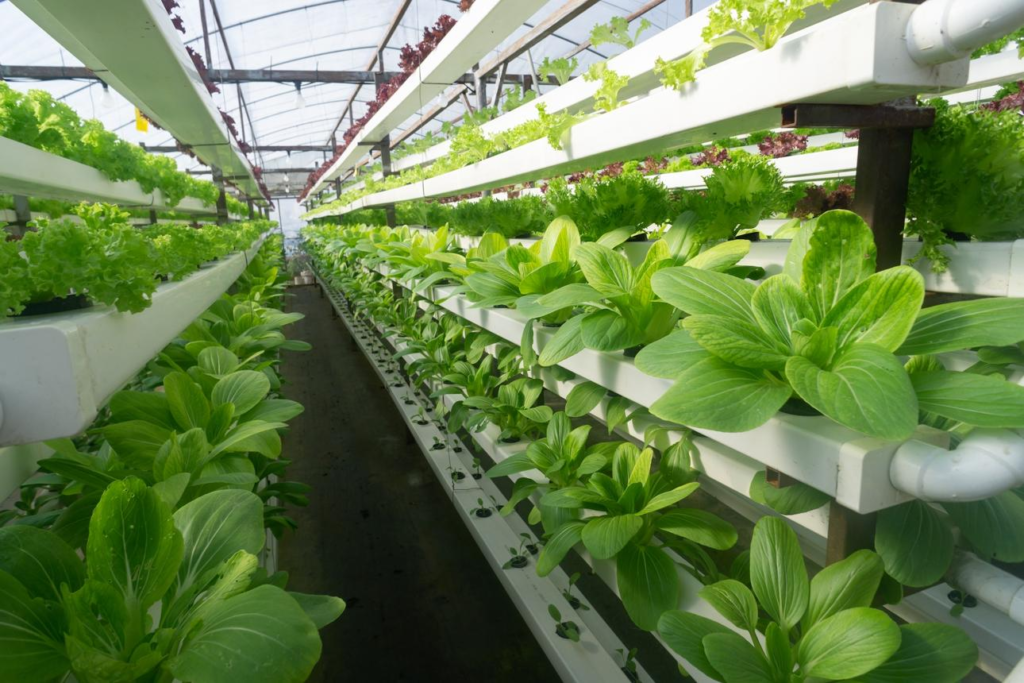
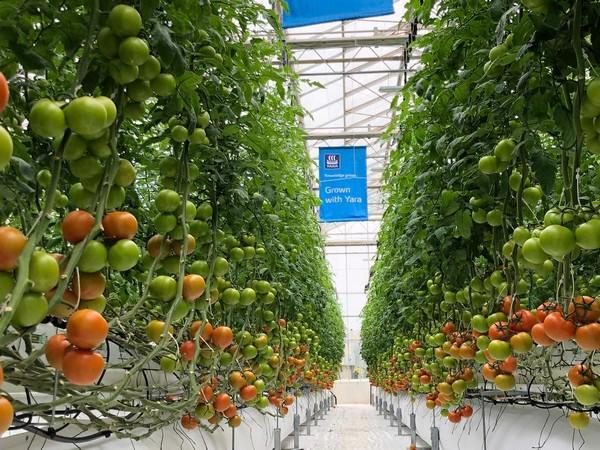
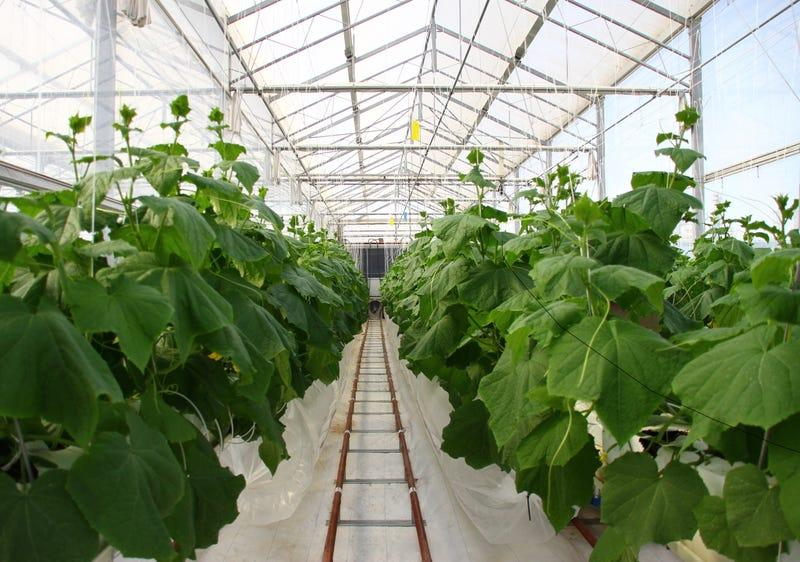
A greenhouse operation offers strong income potential but depends heavily on reliable electricity, irrigation systems, and technical management. The assessment identifies operational failures as a significant risk, leading the investor to install backup power systems and preventive maintenance schedules before production begins.
Scenario 3: Livestock Expansion
A cattle producer plans to expand herd size. Before investing, the assessment evaluates feed availability, disease risks, veterinary support, market demand, and cash-flow capacity. The project proceeds only after contingency plans are developed for drought and disease outbreaks.
Scenario 4: Diversified Small Farm
A diversified farm producing vegetables, fruit, and poultry reduces financial exposure by spreading production across multiple enterprises. Although management becomes more complex, diversification lowers dependence on a single commodity or market.
Farm Risk Assessment Checklist
Use this checklist before investing in any agricultural project.
Define clear production and financial objectives.
Assess climate suitability and historical weather patterns.
Evaluate soil quality, water availability, and environmental conditions.
Identify major pest and disease threats.
Research market demand and price trends.
Assess transportation, storage, and infrastructure availability.
Estimate capital requirements and operating costs.
Prepare realistic cash-flow projections.
Review applicable regulations and compliance requirements.
Evaluate labor availability and management capacity.
Identify insurance options and emergency response plans.
Develop contingency strategies for high-priority risks.
Frequently Asked Questions
What is a farm risk assessment?
A farm risk assessment is a structured process used to identify, evaluate, and prioritize risks that may affect agricultural productivity, profitability, and long-term business sustainability before investment decisions are made.
Why should agricultural risks be assessed before investing?
Early assessment helps investors understand potential threats, compare opportunities objectively, reduce financial exposure, and prepare effective mitigation strategies before committing resources.
What are the biggest risks facing modern farms?
Common risks include climate variability, pest and disease outbreaks, market volatility, labor shortages, equipment failures, regulatory changes, and financial uncertainty.
Can every agricultural risk be eliminated?
No. Agriculture will always involve uncertainty. The objective is to reduce avoidable risks and improve preparedness for those that cannot be controlled.
How often should farm risk assessments be updated?
Risk assessments should be reviewed annually and whenever significant changes occur in production systems, markets, regulations, or environmental conditions.
Does farm diversification reduce investment risk?
In many situations, diversification reduces dependence on a single commodity or income source, helping improve business resilience. However, it also increases management complexity and should be carefully planned.
How important is agricultural insurance?
Insurance can reduce financial losses from specific events such as adverse weather or production failures, but coverage varies by policy, region, and agricultural enterprise.
What is the first step in assessing a farm investment?
The first step is clearly defining the project’s objectives and identifying the major production, financial, environmental, market, and operational risks that could influence its success.
Conclusion
The Farm Risk Assessment Guide demonstrates that successful agricultural investments depend on understanding uncertainty before committing resources. Every farming enterprise faces a combination of production, environmental, financial, operational, market, and regulatory risks that can significantly influence long-term performance.
A structured risk assessment enables investors and farm managers to compare opportunities objectively, prioritize high-impact risks, and implement practical mitigation strategies before problems arise. Rather than attempting to eliminate every source of uncertainty, effective planning focuses on improving preparedness, strengthening resilience, and protecting long-term profitability.
No two farm projects have identical risk profiles. Climate, geography, production systems, available infrastructure, market access, and regulatory requirements all influence the level of risk associated with an agricultural investment. For this reason, every investment should be evaluated within its own operational context.
Ultimately, informed investment decisions are built on realistic expectations, continuous monitoring, and proactive management. Farmers and agricultural investors who regularly assess risks, review changing conditions, and adapt their strategies are better positioned to build resilient farming businesses capable of succeeding in an increasingly uncertain agricultural environment.